
As an Amazon Associate I earn from qualifying purchases. This post contains affiliate links (paid links). If you buy through them, Comedy Houston earns a small commission at no extra cost to you. It helps keep our show listings free.
About $500 of equipment separates a comedy open mic from a guy shouting in a bar, and roughly $350 of that is the speaker. Everything else on the list costs less than a night of drinks. The mic itself is $15.
We track every comedy listing in Houston, and open mics are the most searched thing on this site by a wide margin. Comics want mics, and there are never enough of them. If you have ever thought about starting one, the barrier is lower than you think, and the failure points are almost never the ones new hosts worry about. This is the full playbook: the exact gear, the running order, and the habits that decide whether comics come back for week two.
What a Comedy Open Mic Actually Needs
Strip it down and an open mic is one amplified voice, a list of names, and a light that tells people when to stop talking. That is the whole machine.
The sound chain is five items: a powered speaker, a wired dynamic mic, a mic stand, XLR cables, and something to stand the speaker on. We wrote a full breakdown of speaker choices in our guide to the best PA systems for comedy shows, so this post picks one default and moves on. The producer side adds five cheap items nobody writes about: a light, gaffer tape, a clipboard, an extension cord, and a stool.
Before you buy anything, lock the venue. Ask the bar for a weeknight they currently make nothing on, a corner with a wall behind the performer, and one outlet. You are bringing them 15 to 30 comics who buy drinks on a dead Tuesday. That is the trade, and it is a good one for the bar. Get the recurring date confirmed out loud before you spend a dollar.
The Stage: Mic, Stand, and Speaker
The mic: Behringer XM8500
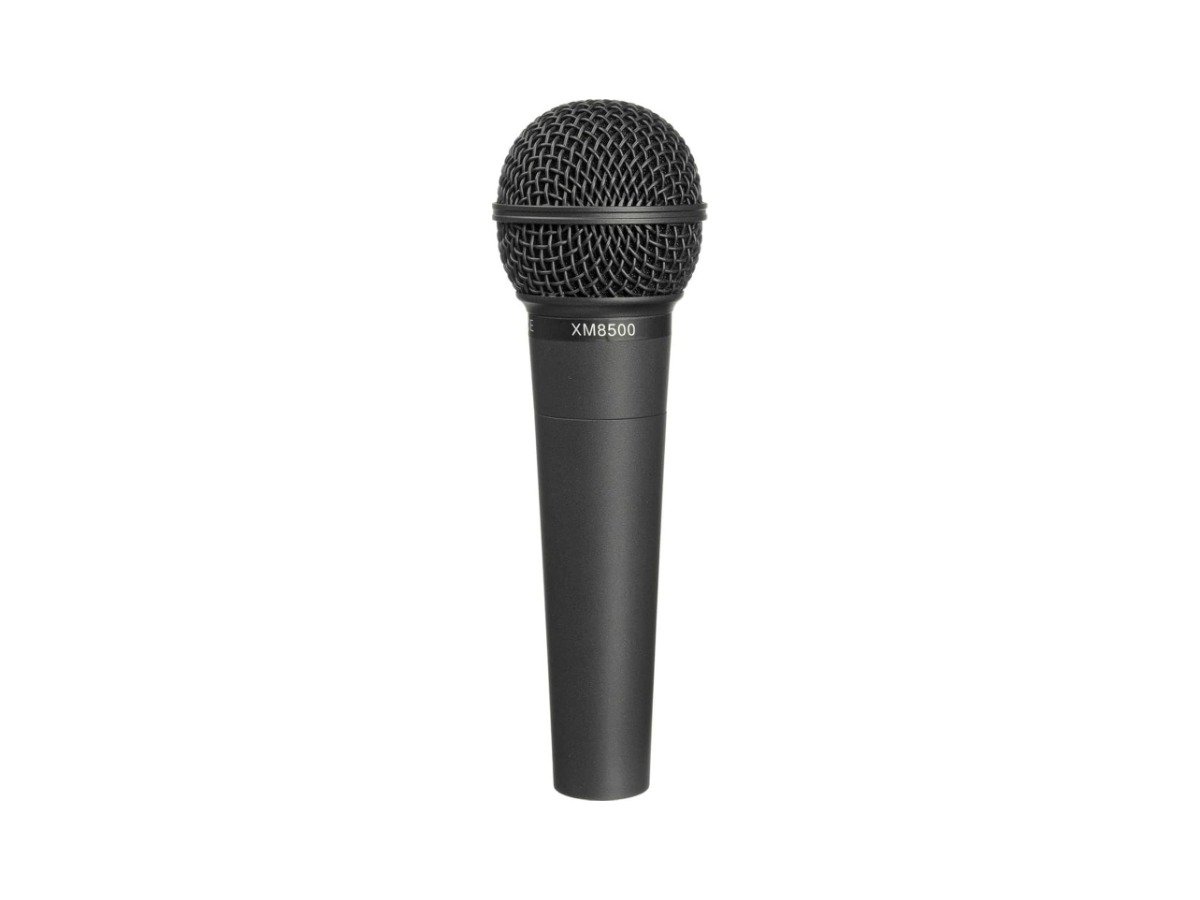
The Behringer XM8500 (around $15) is the open mic answer. It is a wired cardioid dynamic mic that sounds 90 percent as good as the industry standard for about 15 percent of the price, and at an open mic the mic gets dropped, cupped, swung, and coughed into by 20 strangers a night. Buy two. A spare mic at this price is not an upgrade decision, it is basic insurance.
If your mic turns into a real weekly show, the upgrade is the Shure SM58S (around $119), the version of the classic SM58 with an on/off switch. At a music venue the switch is a liability. At an open mic it is a feature: the host can mute the mic between comics instead of sprinting to the speaker every time someone leaves it pointed at the monitor. Our stand-up microphone guide goes deeper if you want the full comparison.
The stand: On-Stage MS7701B
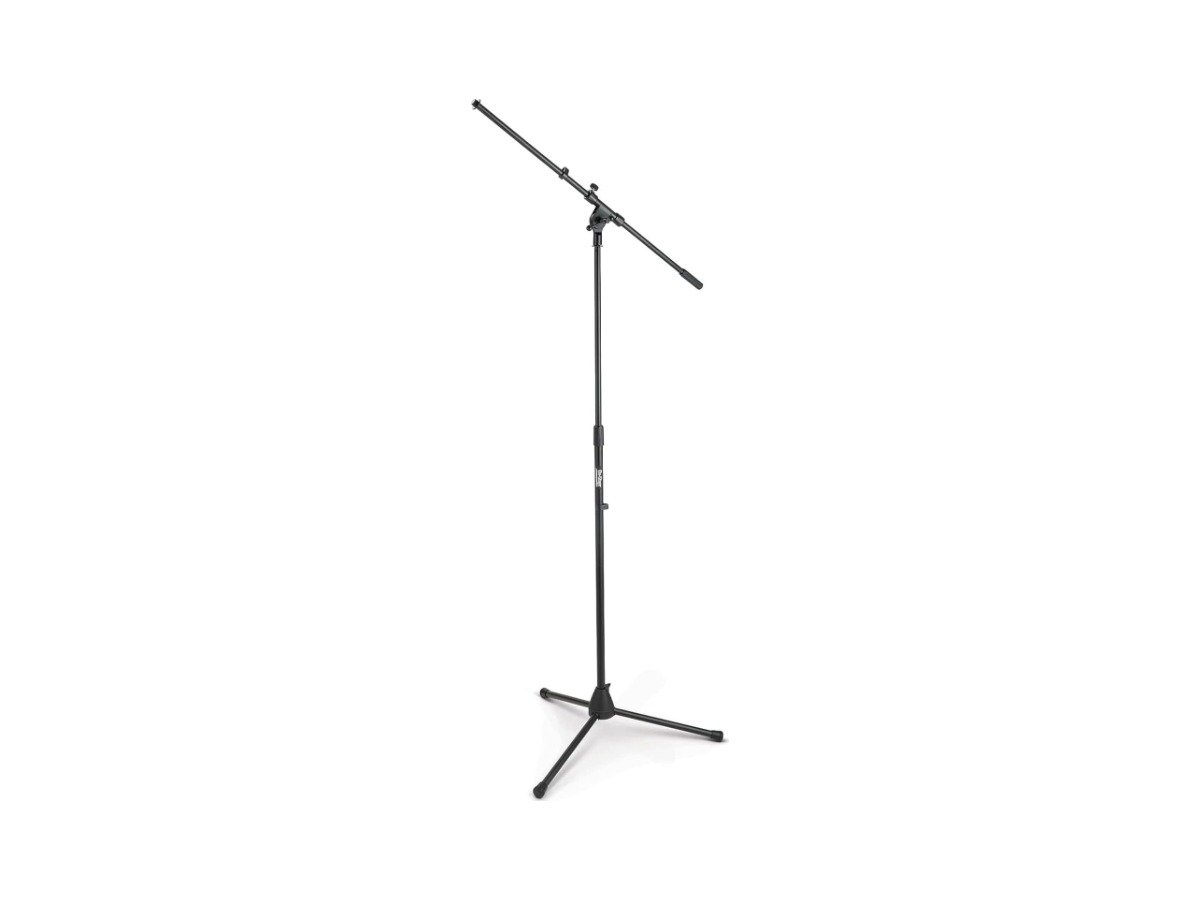
The On-Stage MS7701B (around $32) is the boom stand you see on every comedy stage in America. Comics need somewhere to put the mic back, and the stand itself is part of the stage picture. It folds flat and survives being adjusted by a hundred different hands a month.
The cables: buy two, always
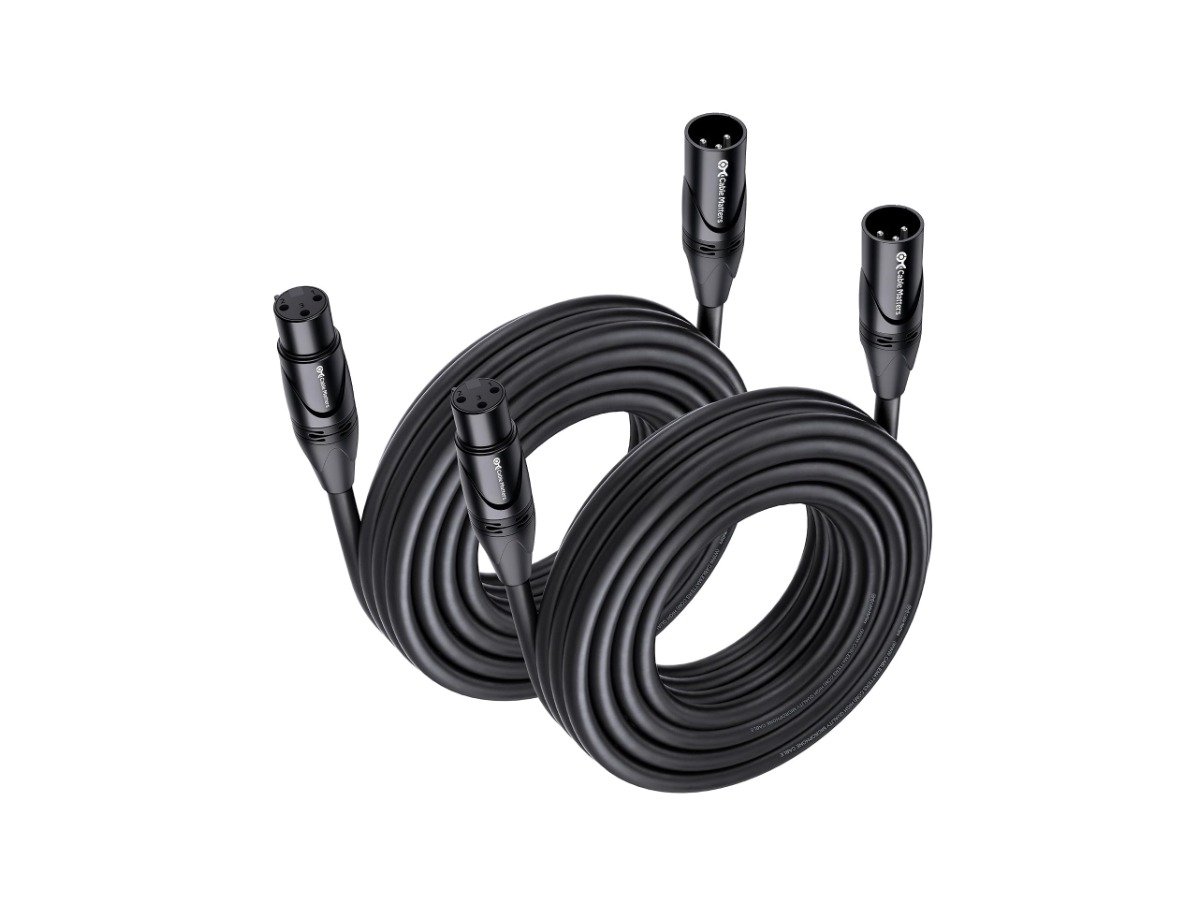
A Cable Matters XLR two pack (around $40) covers the run from mic to speaker with a spare in the bag. Cables fail rarely, but they fail at 9:40pm in front of a full signup list, and the second cable turns that from a canceled night into a 90 second pause.
The speaker: Yamaha DBR10
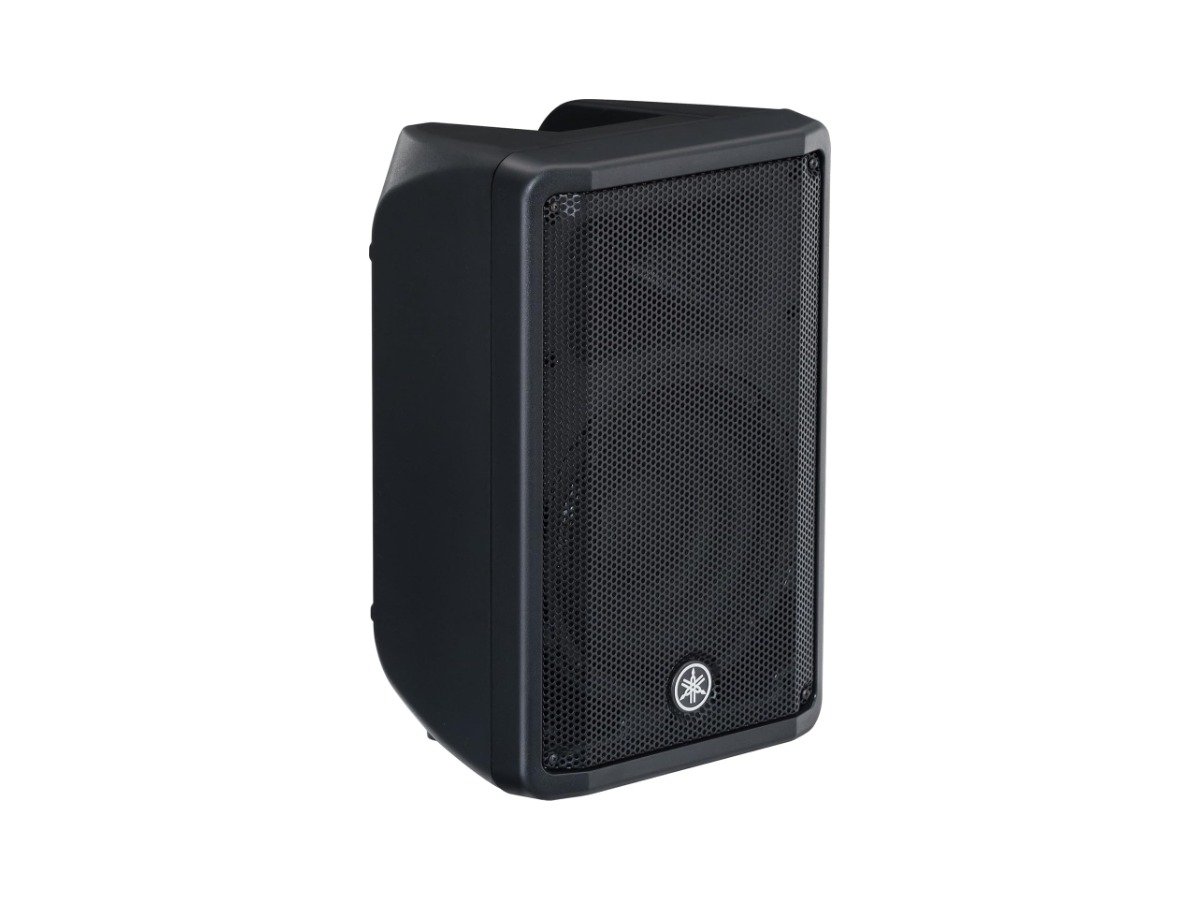
The Yamaha DBR10 (around $350) is the value pick from our PA guide and the single most important purchase on this page. It is a 700 watt powered speaker with a built-in two channel mixer, which means no separate amp and no mixing board: mic in one input, and your phone runs walk-in music. It covers a 100 person bar with headroom to spare. Put it on a stand at ear height, in front of the mic, aimed at the crowd, and feedback mostly stops being a thing.
If your venue has no reliable outlet near the stage, or you want one box with zero setup, the battery powered Mackie Thump GO (around $450) trades some volume for total portability. The PA guide compares both in detail.
And if you want the full field, our best speakers for a comedy open mic ranking covers six rigs at three budgets, including two-speaker systems with enough mic channels for host handoffs.
The Producer Bag: Five Cheap Things That Run the Night
The light
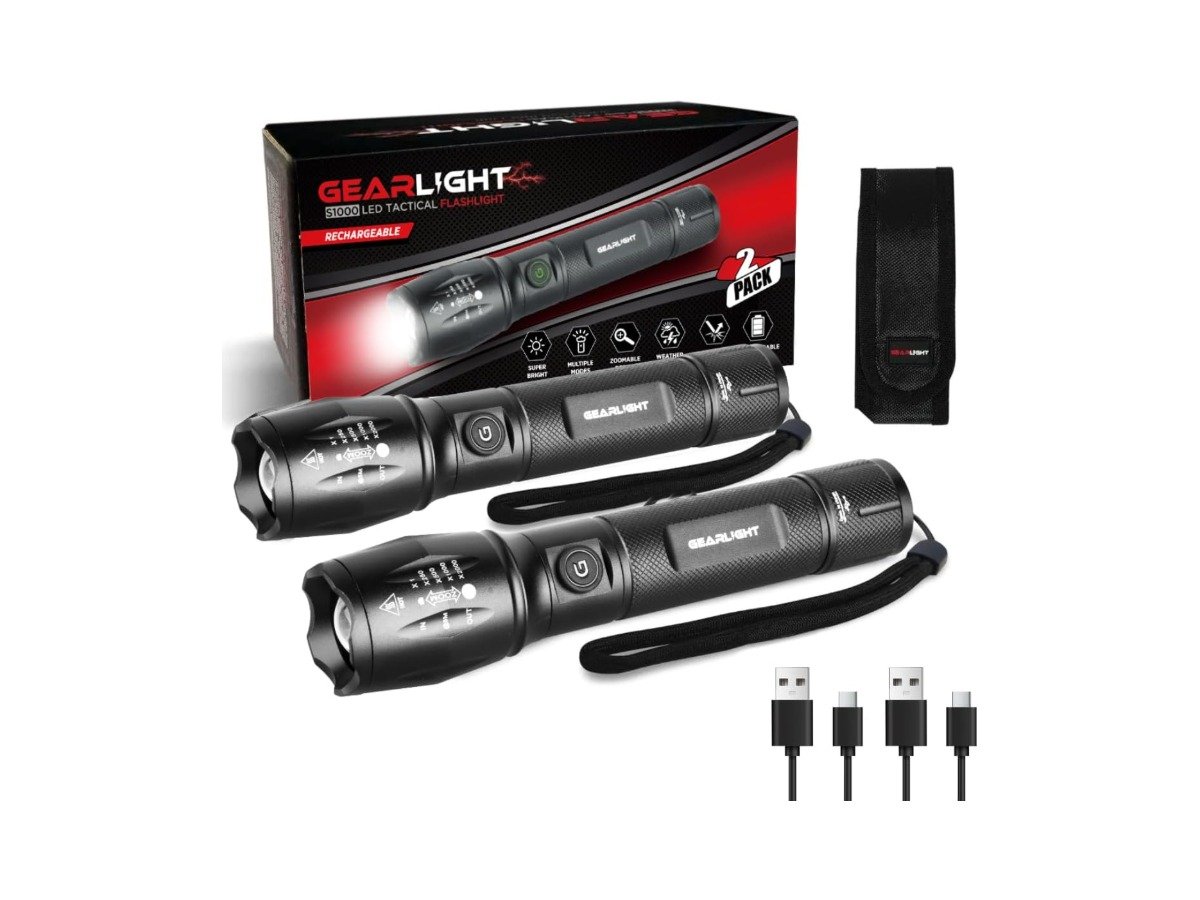
The light is the most important tradition in stand-up. One flash means one minute left, waving means get off. A GearLight two pack (around $27) gives you a rechargeable LED bright enough to cut through stage lighting from the back of the room, plus a spare. A phone flashlight works until your phone is also your timer, your signup list backup, and your music source. Give the light its own hardware and give comics a consistent signal. Nothing marks a well run mic faster than a light that actually comes at four minutes.
Gaffer tape
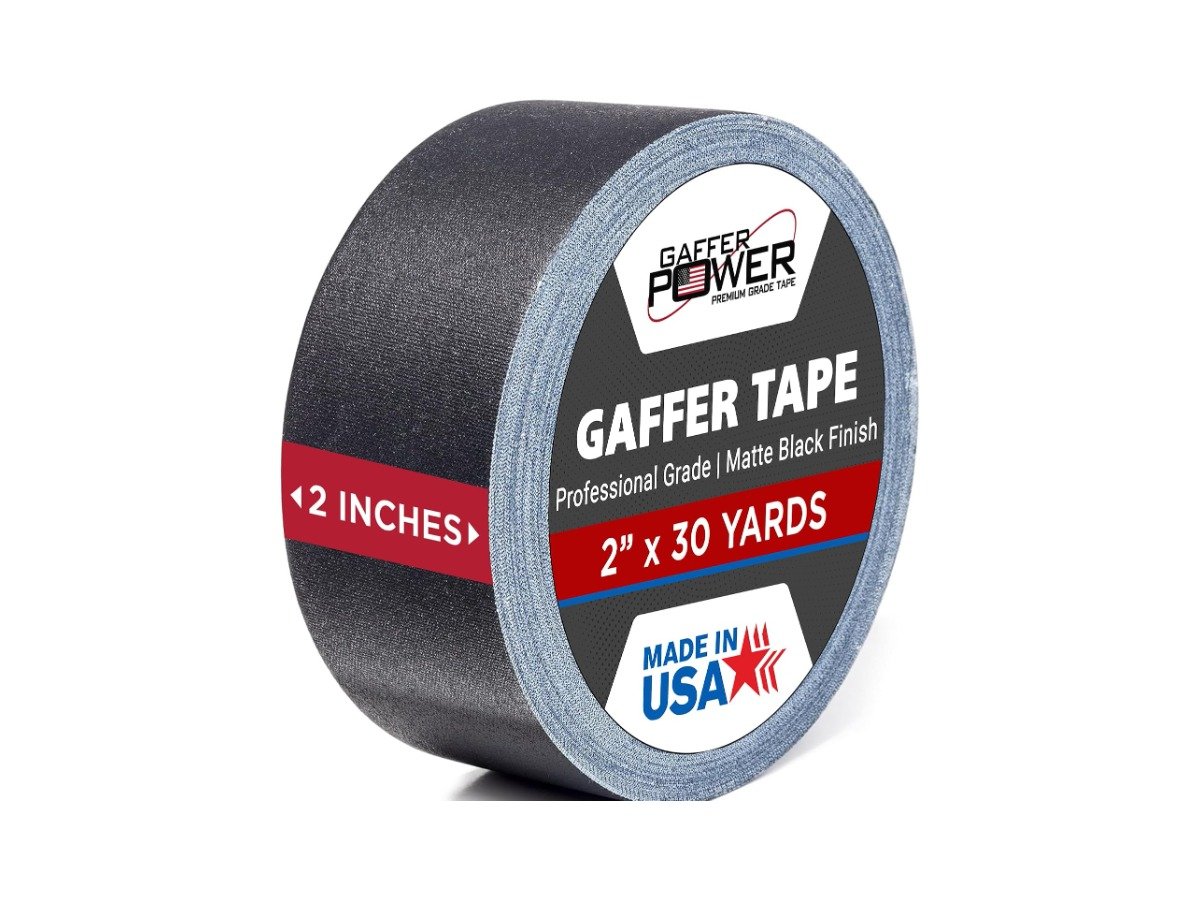
One roll of Gaffer Power tape (around $21) tapes your cable run to the floor so a comic doing crowd work does not unplug the show with their foot. Unlike duct tape it comes up clean, which matters because it is the bar’s floor, not yours. It also marks the spot where the mic stand lives so your stage resets itself.
The signup clipboard
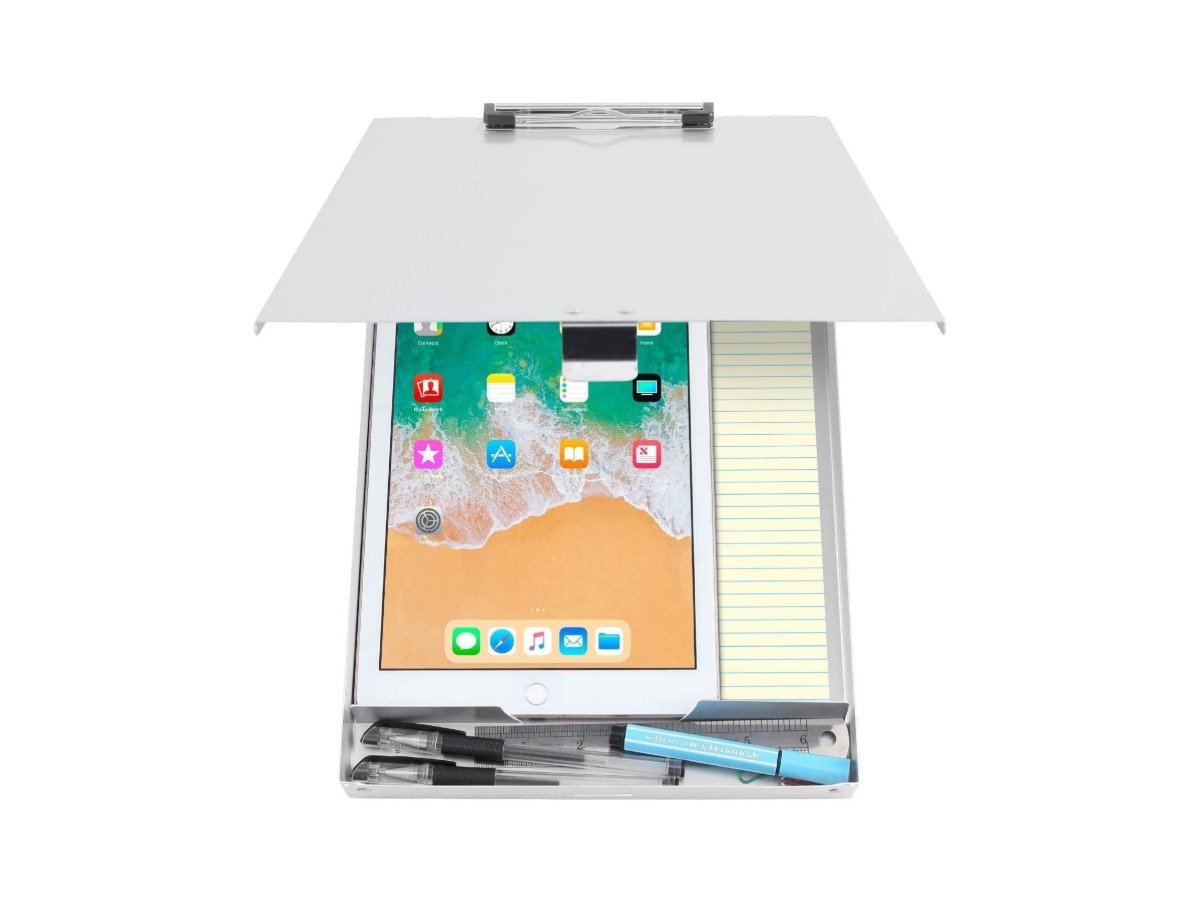
A storage clipboard (around $23) holds the signup sheet, pens, and spare batteries in one object you hand to the door. Yes, apps exist. A clipboard never has a dead battery, never needs a login, and a physical list in order settles every dispute about who is up next before it starts. The storage compartment is where the spare mic lives.
The extension cord
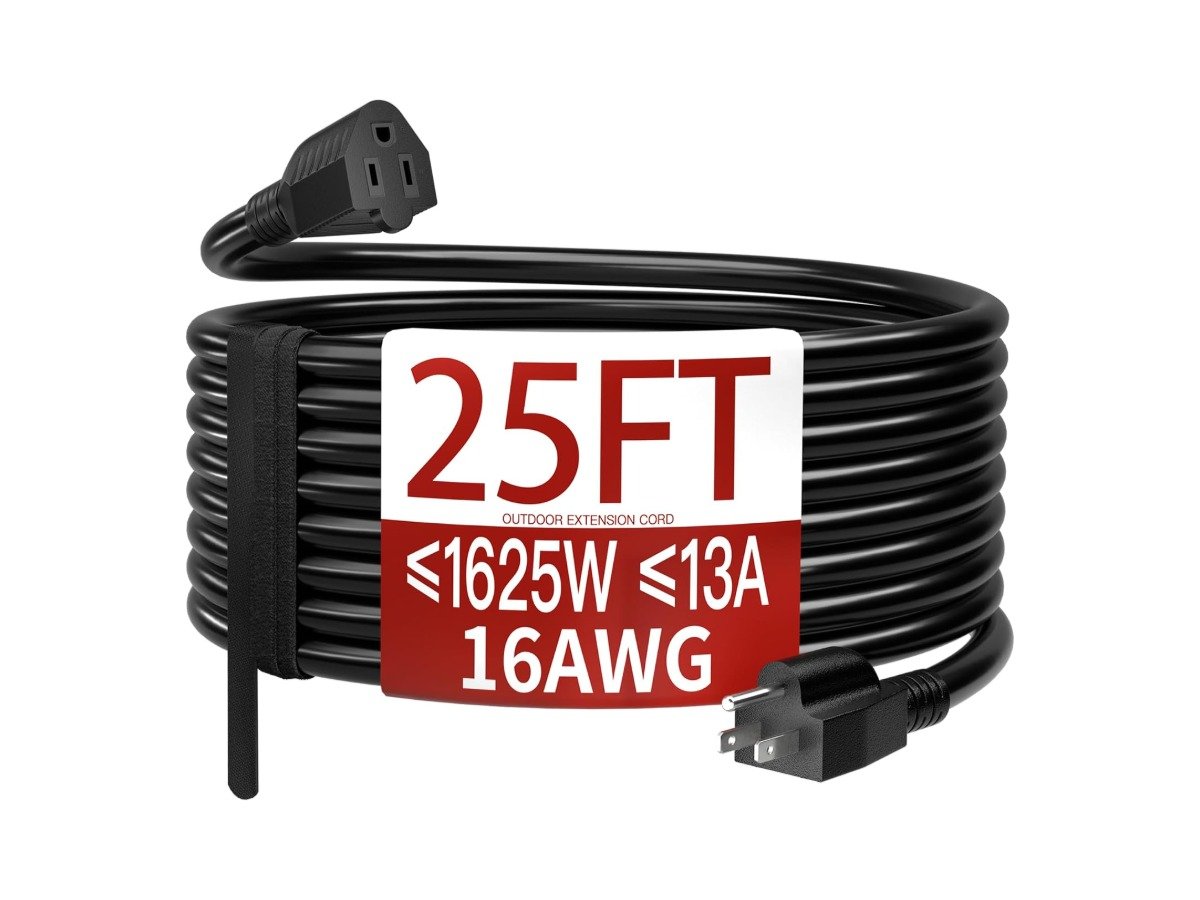
The outlet is never where the stage is. A 25 foot black extension cord (around $11) reaches it, and black disappears against a bar floor under gaffer tape where orange screams amateur hour.
The stool
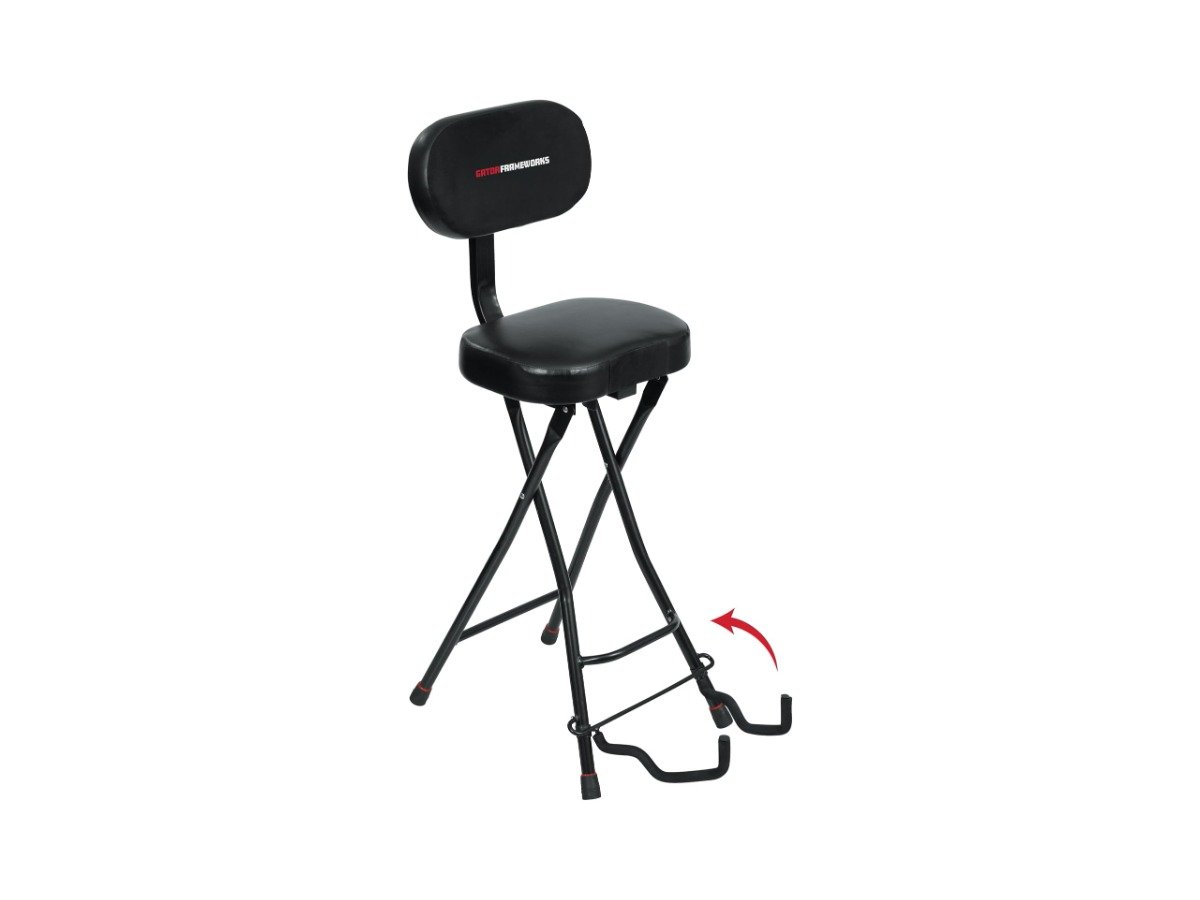
Optional, but the Gator Frameworks stage seat (around $110) completes the classic stage picture: mic, stand, stool. Comics put water on it, lean on it, and it photographs like a real show, which matters when every comic on your list posts a clip that night. If the bar has a spare barstool, use that and save the money for the second mic.
The Running Order That Keeps a Room Alive
Gear gets you to zero. The running order is what makes the mic good.
- Start on time. The single strongest signal a mic sends. Comics plan their night around multiple mics, and a mic that starts at 8:00 when it says 8:00 gets the good comics.
- List order is signup order. No bumping friends up the list. The clipboard is the law. The only exception you should ever make is a working comic dropping in to work out material, announced as such.
- Sets are 3 to 5 minutes, light at one minute left, every single time. Consistency is mercy. A mic that runs long punishes everyone at the bottom of the list.
- The host opens with 5 minutes, not 15. Your job is to set energy and rules, then get out of the way. Do the housekeeping once: tip the bartender, light means wrap, respect the room.
- Keep music running between comics. Walk-on music from your phone through the speaker’s second channel makes 20 amateur sets feel like a produced show.
How to Get Comics to Show Up, and Come Back
Week one is easy. Every comic within 20 miles will try a new mic once. Week six is the test, and three habits pass it.
First, be findable. In Houston, that means getting listed in our open mic directory, which is where the city’s comics already look. Send us the details through the contact page and we will add your mic. Wherever you are, get on the local listing sites and comic group chats the first week.
Second, record. Run a line out from the speaker into a recorder and every comic leaves with usable audio of their set, which is rare enough that comics will drive past two other mics to get it. Our audio recorder guide covers the exact two source setup.
Third, protect stage time. The math of open mics is brutal and every comic knows it. A mic that caps the list, keeps sets tight, and gets everyone up before close earns loyalty no drink special can buy. We wrote about why your first 100 open mics matter more than what happens at them, and hosts are the other half of that equation.
Lock the Venue, Then Order the Kit
Talk to the bar this week. Once you have a night, the whole kit above, mic to gaffer tape, is two boxes on your doorstep and one evening of learning the speaker’s three knobs. Run it for eight consecutive weeks before you judge it; every great mic was a rough mic for two months first. And if you are starting one in Houston, tell us. The comics searching our open mic list tonight are your week one crowd.