
As an Amazon Associate I earn from qualifying purchases. This post contains affiliate links (paid links). If you buy through them, Comedy Houston earns a small commission at no extra cost to you. It helps keep our show listings free.
Every book on this list, all nine of them, costs about $140 combined at the time of writing. That is the cheapest education available in an art form with no school, no license, and no syllabus.
A book will not make you funny. Stage time makes you funny, and we have written before about how getting stage time is the actual job when you start. But books compress decades of other people’s stage time into something you can read on the couch, and the difference between comics who study the craft and comics who wing it shows up by year two. This list is ordered by career stage: what to read before your first open mic, what to read when your jokes stop improving, and what to read when you need to remember why you started.
Before Your First Open Mic
The New Comedy Bible, by Judy Carter
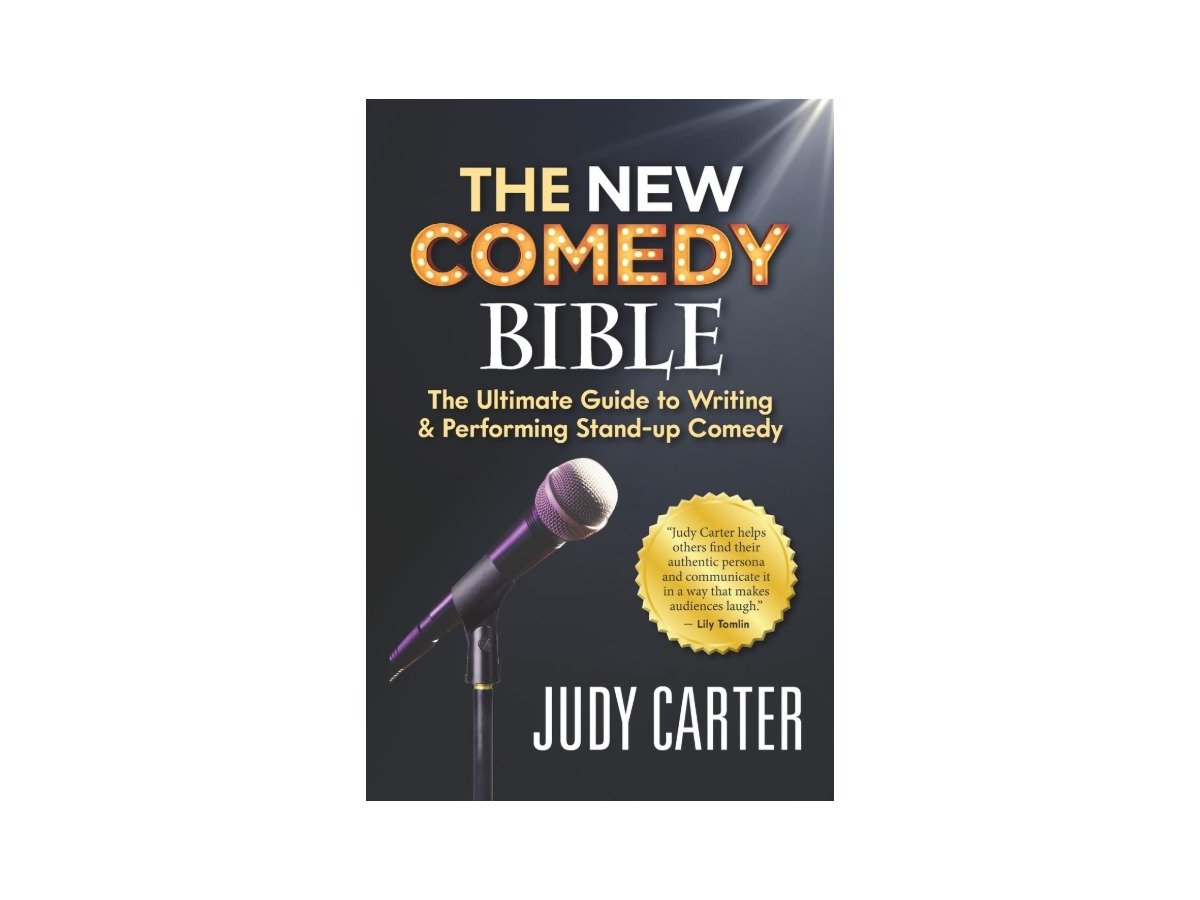
The New Comedy Bible (around $16) is the default first book for a reason. Judy Carter has taught stand-up workshops for decades, and the book is built like a course: day by day exercises that take you from zero material to a performable five minutes. You will outgrow her formulas, and you should. But formulas are exactly what you need before your first mic, when the alternative is staring at a blank page wondering what counts as a premise.
The Comedy Bible Workbook, by Judy Carter
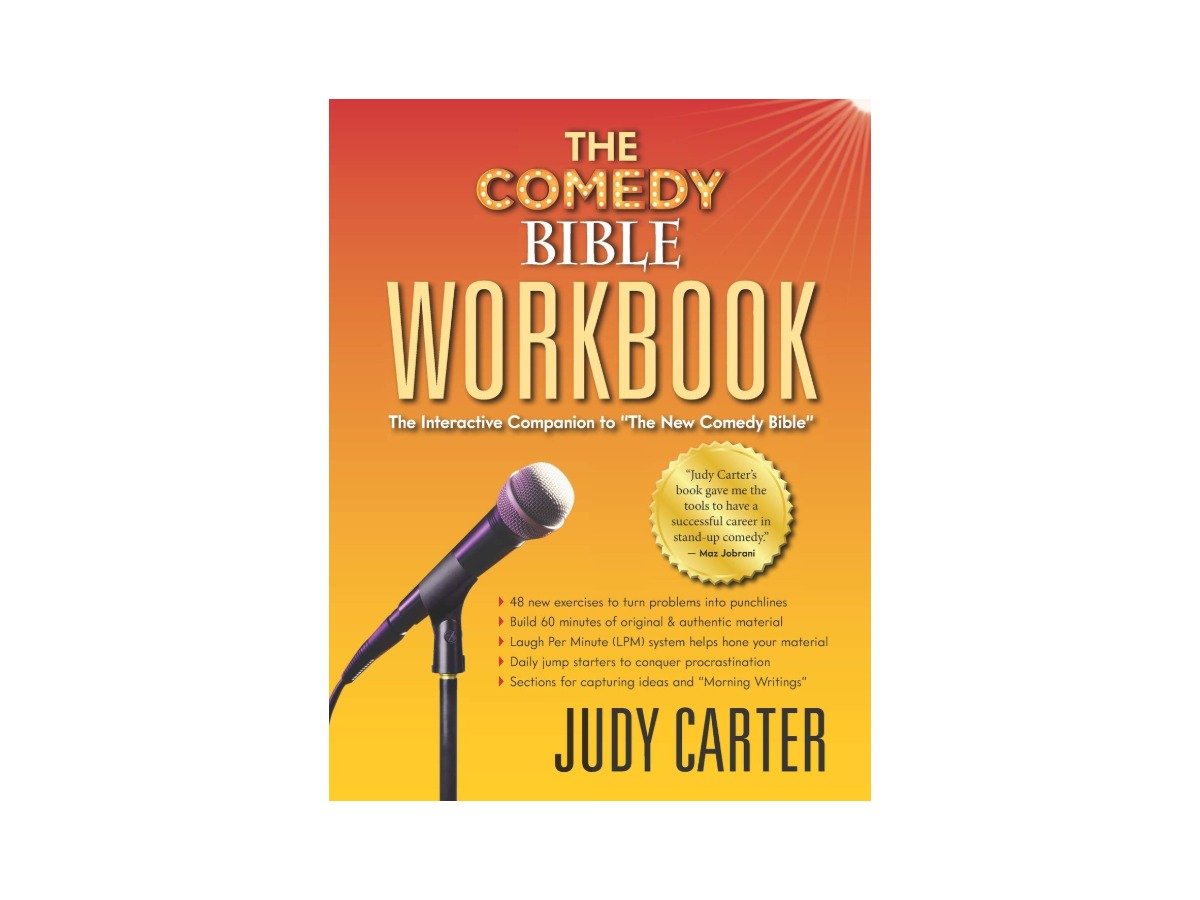
The companion Comedy Bible Workbook (around $25) only earns its price if you are the kind of person who actually does exercises instead of reading about them. If you are, it converts the main book from something you read into something you finish with five minutes of material written down. If you are not, skip it and put the $25 toward gas money to open mics.
When Your Jokes Stop Improving
Somewhere around your first year, the problem changes. You can write a joke; you need to write better ones, faster. These four are the craft books working comics actually reference.
Comedy Writing Secrets, by Mel Helitzer with Mark Shatz
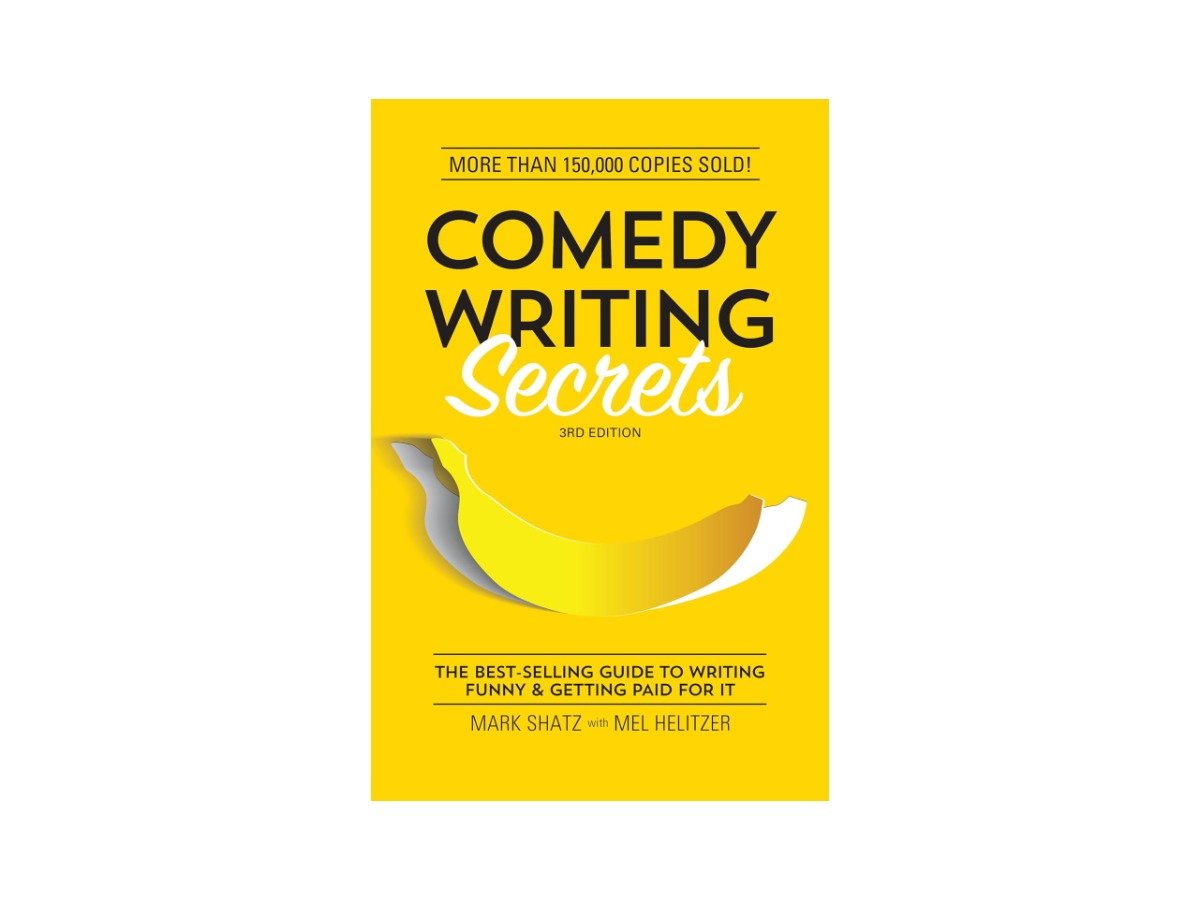
Comedy Writing Secrets (around $13) is the closest thing joke writing has to a textbook. Helitzer taught humor writing at the university level, and the book names the machinery: the double entendre, the reverse, the triple, incongruity, superiority. Naming the tools matters. Once you know a joke you wrote by instinct is a reverse, you can write ten more on purpose.
How To Write Funny, by Scott Dikkers
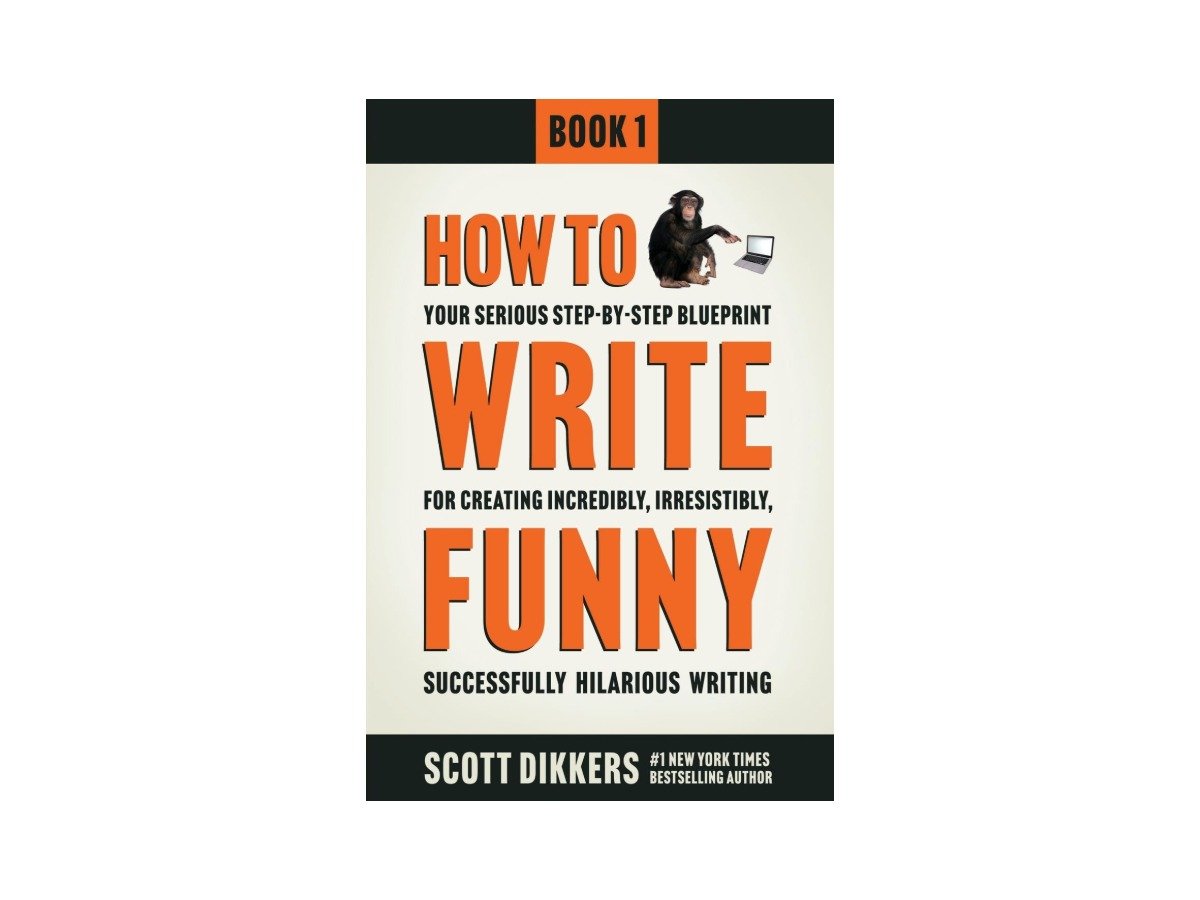
How To Write Funny (around $17) comes from Scott Dikkers, founding editor of The Onion, and it is the leanest book here: a small set of funny filters and a blunt argument that professional comedy writing is volume plus editing, not inspiration. It is aimed at writers more than performers, which is exactly why comics should read it. Your act is writing before it is anything else.
Comedy Writing for Late-Night TV, by Joe Toplyn
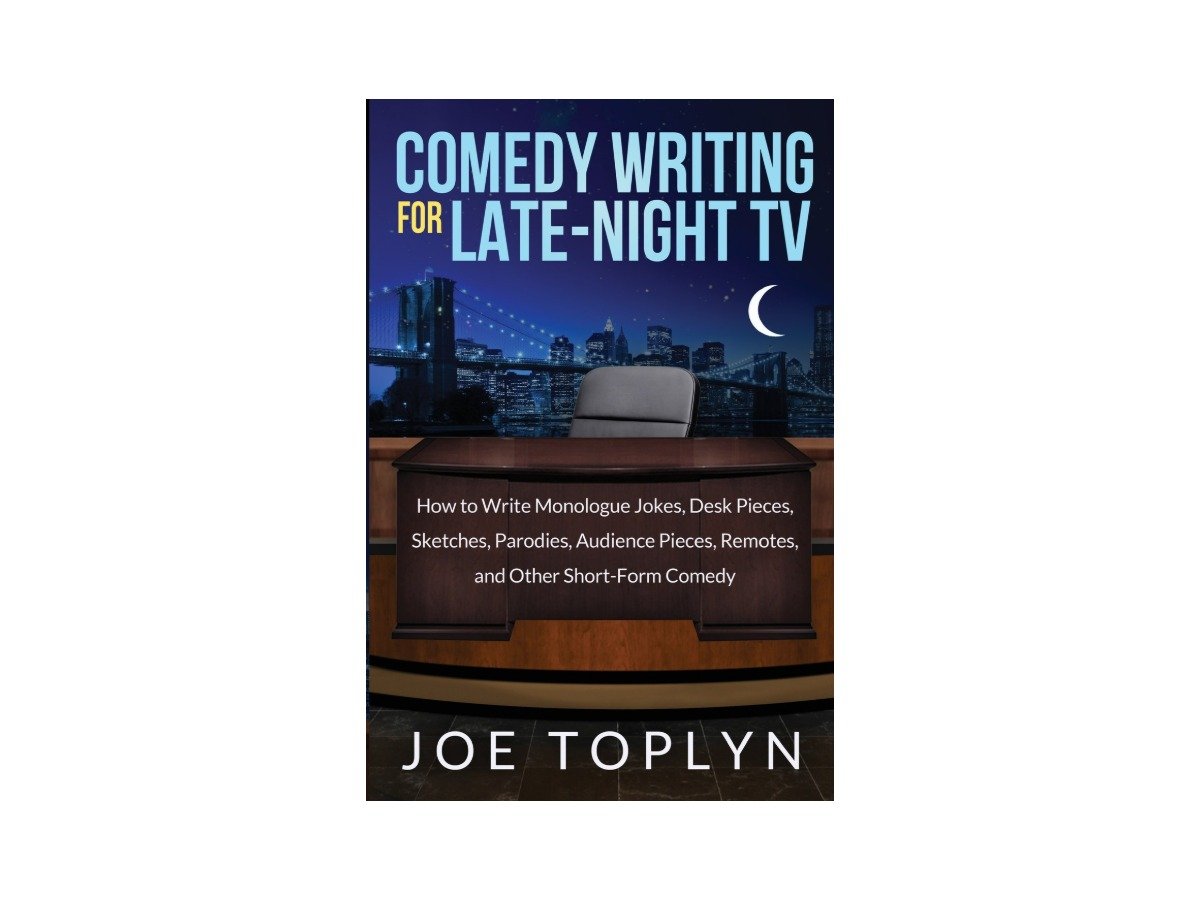
Comedy Writing for Late-Night TV (around $25) is the most technical book on this list. Joe Toplyn wrote for Letterman and Leno, and he breaks joke construction down to the level of picking the exact word and where it goes in the sentence. If you want to write topical material, or you have ever wondered why a joke works at 90 percent and dies at 100, this is the one. Read it after Helitzer, not instead.
The Comic Toolbox, by John Vorhaus
The Comic Toolbox (around $9) is the cheapest book here and the one that sticks longest. Vorhaus’s core idea, that comedy is truth plus pain, is the frame that turns your worst experiences into your best material. It is also the book to read when you are blocked, because half of it is permission to write badly on the way to writing well.
The Long Game: Perspective From the Masters
Craft books plateau too. At some point what you need is not another joke formula but proof that the career is survivable, and a sense of the tradition you joined. We made a version of this argument in your first 100 open mics are the wrong goal: the comics who last are playing a longer game than this week’s set.
Born Standing Up, by Steve Martin
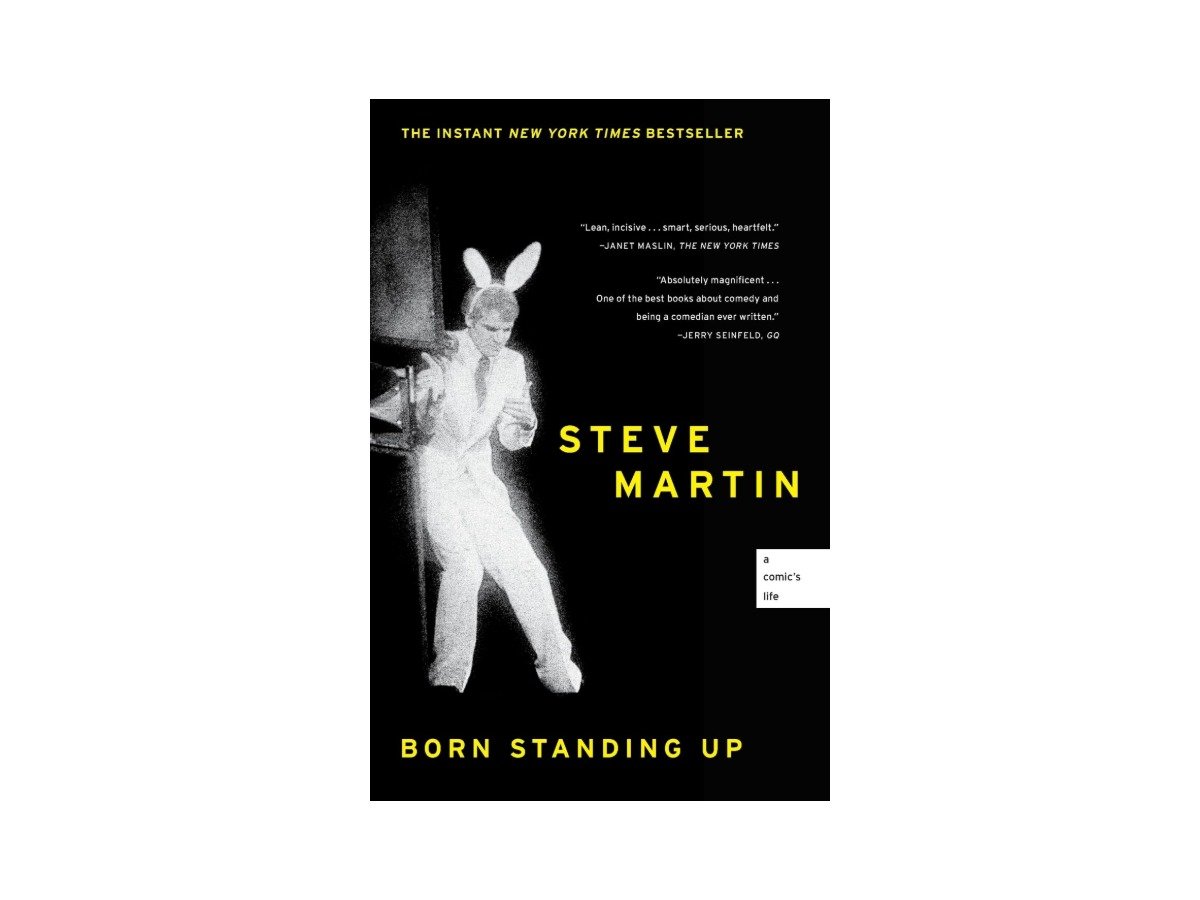
Born Standing Up (around $11) is the best memoir ever written about stand-up because it is honest about the number that matters: Martin spent 18 years becoming an overnight success, and he describes the empty rooms, the bombing, and the slow assembly of an act with a craftsman’s precision. Read it in year one and again in year five. It is a different book each time.
Sick in the Head, by Judd Apatow
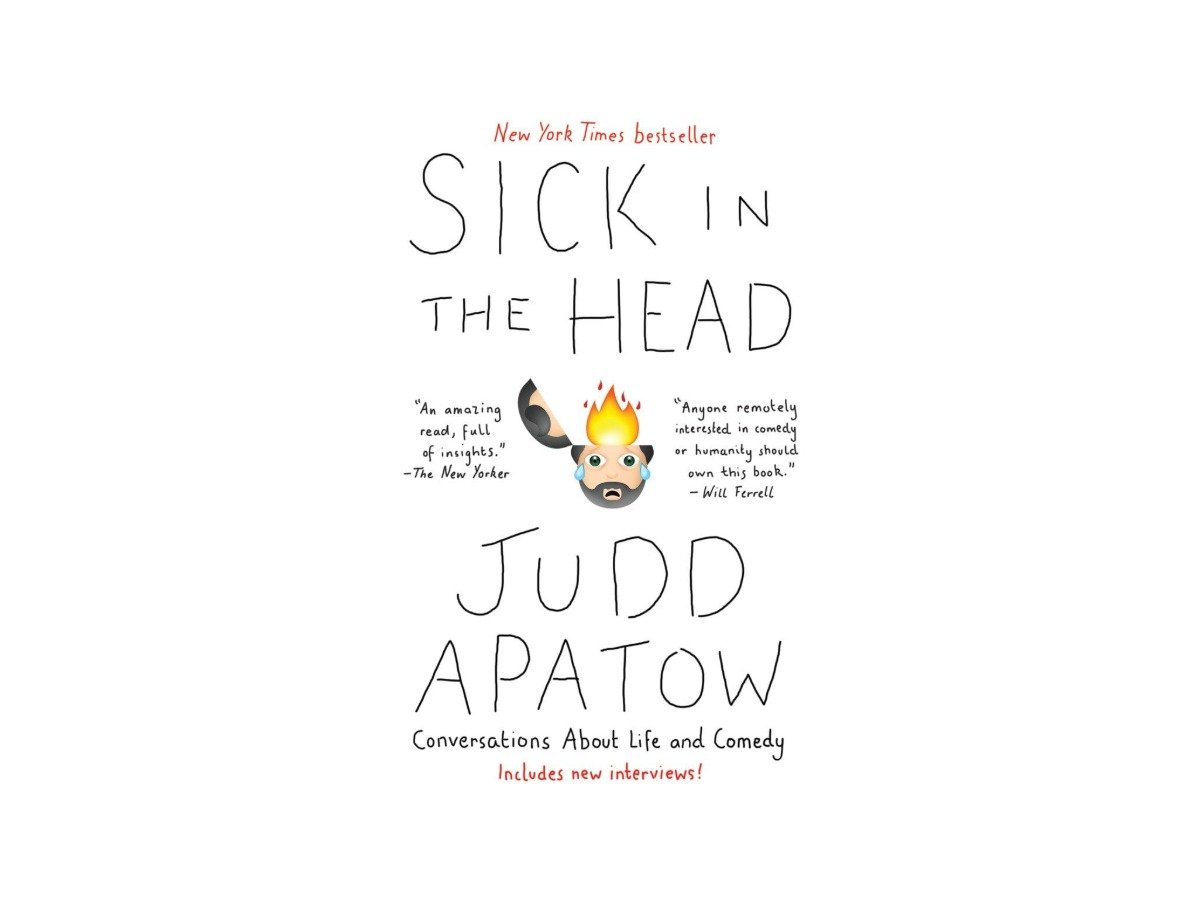
Sick in the Head (around $12) collects the interviews Apatow has done with comedians since he was a teenager cold-calling his heroes. The value for a working comic is hearing 30 different successful people describe 30 different processes. It quietly kills the idea that there is one right way to build an act, which is one of the most freeing things a new comic can learn.
The Comedians, by Kliph Nesteroff
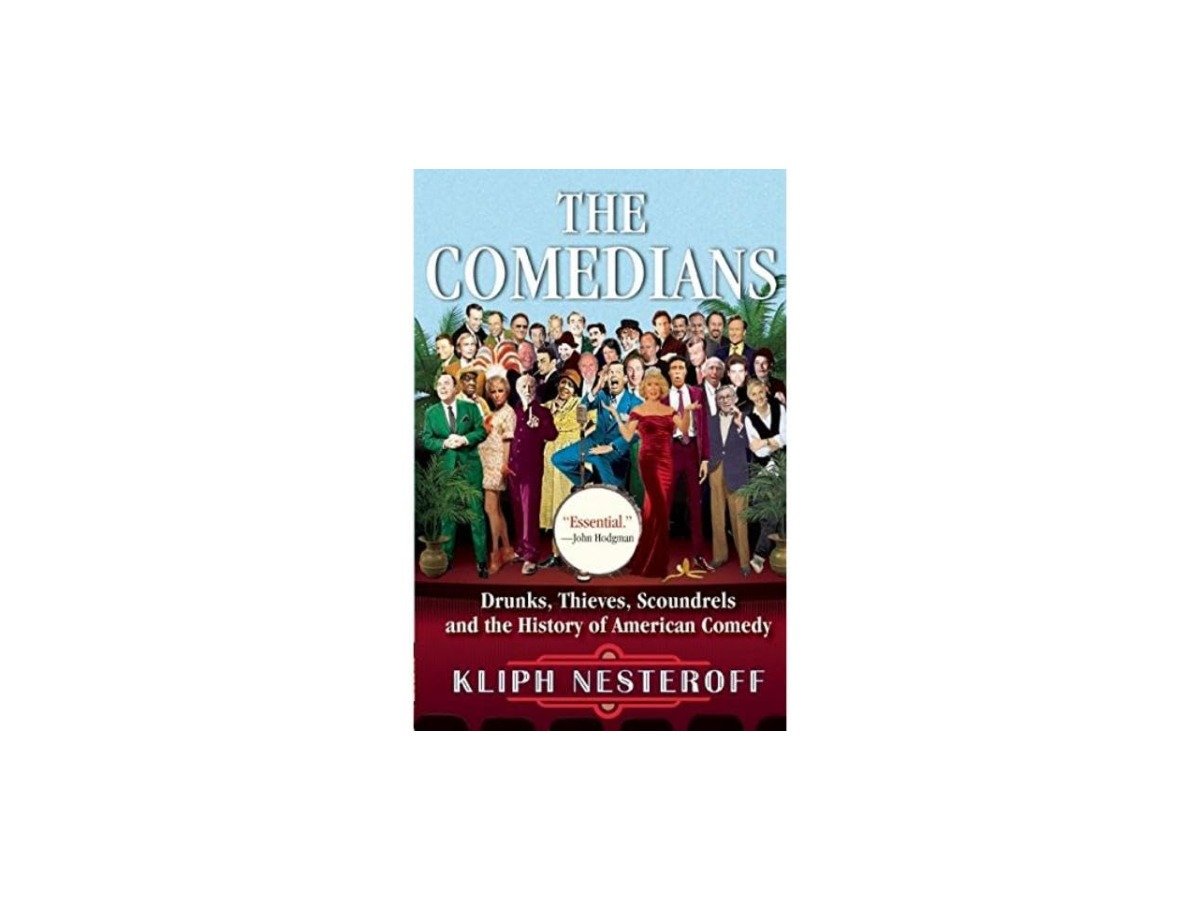
The Comedians (around $13) is the history: vaudeville, mob-run clubs, radio, the comedy boom and its crash. Nesteroff is comedy’s best historian, and the book delivers a useful kind of humility. Every argument comics have today, about theft, about crowds, about who gets stage time, has been had before by people who are now forgotten. Knowing the tradition makes you a citizen of the art form instead of a tourist.
Buy One Book, Read It This Week, Then Get On Stage
Do not order all nine. Order the one that matches where you are stuck: Carter if you have never done a mic, Helitzer if your writing has flatlined, Martin if you are wondering whether to quit. Read it this week, then take one thing from it to a stage. In Houston there is a mic running nearly every night of the week, and our open mic directory lists all of them. The book is the homework. The mic is the test. Comics who do both, week after week, are the ones we end up writing about in our guide to growing a comedy career.
Shopping for a comedian instead of being one? Our gifts for comedians guide sorts these books and the rest of the kit by budget.