
As an Amazon Associate I earn from qualifying purchases. This post contains affiliate links (paid links). If you buy through them, Comedy Houston earns a small commission at no extra cost to you. It helps keep our show listings free.
The short answer: if you want to skip the reading, buy the Electro-Voice ZLX-12P-G2 for a weekly bar show, or the JBL EON ONE Compact if the room has no outlet you can reach.
Quick Picks: Best PA System for Comedy Shows and Open Mics (September 2026)
| Best for | Speaker | Why | Price |
|---|---|---|---|
| Best overall for a weekly show | Electro-Voice ZLX-12P-G2 | 1000 watts, built-in mixer, speech ducking | Check price on Amazon |
| Best value for open mics | Yamaha DBR10 | 700 watts, 23 pounds, survives the trunk | Check price on Amazon |
| Best battery powered | JBL EON ONE Compact | 12 hours on a swappable battery, real mixer | Check price on Amazon |
| Budget battery option | Mackie Thump GO | Under 20 pounds, 12 hour battery | Check price on Amazon |
| Premium pick | Bose S1 Pro+ | Best sounding compact PA, tilt-back mode | Check price on Amazon |
| The mic | Shure SM58 | The mic in the clip at almost every club | Check price on Amazon |
Prices checked on Amazon September 8, 2026. They change often, so the links always show the current price. Paid links.
A moderately busy bar idles at around 75 decibels. An unamplified human voice, from the back of a 40 seat room, lands at about 60. That 15 decibel gap is why your friend’s bar show felt like watching someone mouth words through glass, and why half the crowd was back on their phones by minute four.
Comics email us about cameras and editing constantly, and we get it, we wrote a whole guide on the best cameras for stand-up. But if you are producing your own show or starting an open mic, the PA is the purchase that decides whether the night works. Nobody laughs at a punchline they half heard. This guide covers the exact systems that make sense for comedy specifically, which is a different problem than sound for music, and gives you three complete builds at real prices.
Why Comedy Sound Is Different From Music Sound
Most PA advice online is written for bands and DJs. Comedy is a simpler and stricter problem.
You are amplifying exactly one thing: a human voice on a handheld mic. You do not need 15 inch woofers, subwoofers, or a mixing board with 16 channels. What you do need is clean vocal reproduction, enough headroom to sit above bar noise, and resistance to feedback, because a comic will absolutely wander in front of the speaker mid set while doing crowd work.
You also need music playback. Walk-on music, preshow music, and outro music are the difference between a show that feels produced and a reading in a bar. Every speaker in this guide handles Bluetooth playback alongside a wired mic, so your phone becomes the house music system.
One more comedy specific point. The laugh is the product. If you ever want usable clips from your show, the room sound matters as much as the stage sound, and a PA that distorts or feeds back ruins the recording. We break down capturing audience audio in our guide to the best audio recorders for stand-up shows, and everything there plugs straight into the systems below.
What a Comedy Show Actually Needs
The full signal chain for a comedy show is five items. Ignore anyone selling you more.
- A powered speaker. The amp is built in, so there is no separate amplifier to buy, carry, or blow up. Modern powered speakers include a small mixer with two or more inputs, which replaces the mixing board entirely for comedy.
- A dynamic vocal mic. Wired, not wireless. Wired mics cannot die mid show, cannot be left on in the green room, and cost a third as much.
- A mic stand. Comics need somewhere to put the mic, and a boom stand doubles as the classic stand-and-stool stage picture.
- An XLR cable. Buy two. The night a cable dies is not the night you want to learn this lesson.
- A speaker stand. A speaker on the floor points at shins. Ear height or above, always.
Total weight for everything is around 40 pounds and it fits in any car trunk. Here are the components worth buying.
The Best Speakers for Comedy Shows
Running an open mic rather than a booked show? The requirements shift toward extra mic channels and walk-on music, and our best speakers for a comedy open mic guide ranks six systems for exactly that job.
Best overall for a weekly show: Electro-Voice ZLX-12P-G2
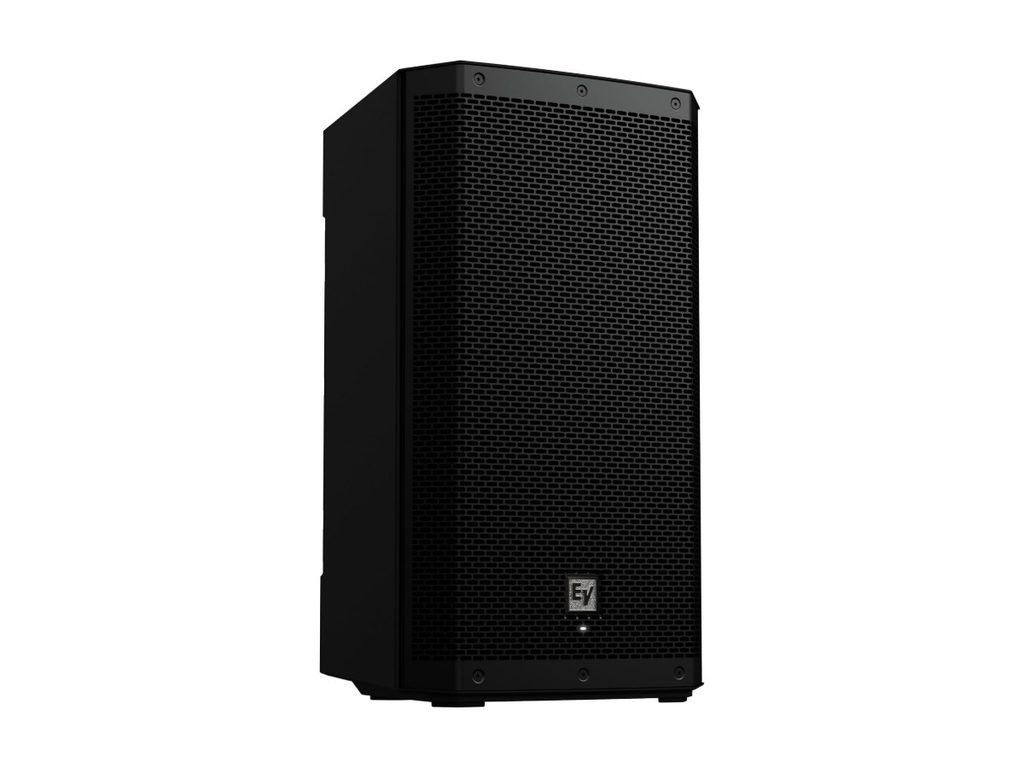
The Electro-Voice ZLX-12P-G2 (around $500) is the one we would buy for a recurring show in a real bar. It is a 1000 watt, 12 inch powered speaker with a built-in digital mixer, Bluetooth for your walk-on music, and two features that feel designed for comedy producers. First, automatic feedback suppression, which quietly kills the ring when a comic cups the mic or drifts in front of the speaker. Second, ducking, which automatically lowers your Bluetooth music the moment someone talks into the mic. That means your host can walk up and start talking and the music gets out of the way on its own, no sound person required. For a show run by one busy producer, that is the whole game.
Best value for open mics: Yamaha DBR10
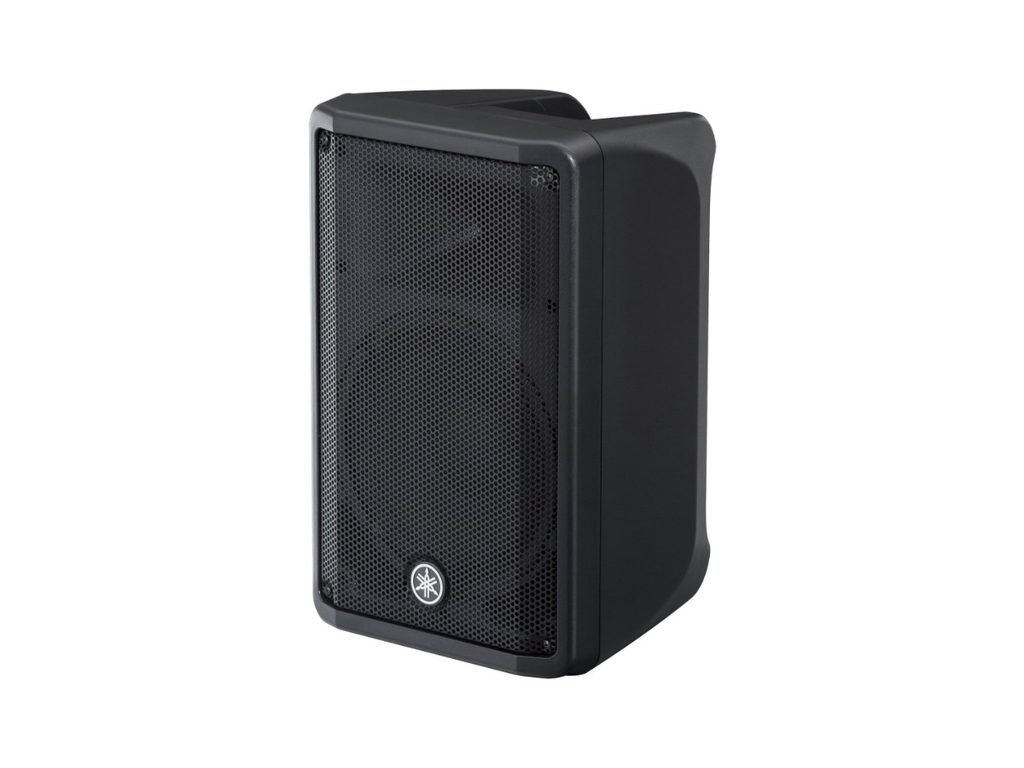
The Yamaha DBR10 (around $400) is the workhorse you have seen at a hundred open mics without noticing it. 700 watts, 10 inch woofer, 23 pounds, and Yamaha build quality, which in practice means it survives years of being loaded in and out of a hatchback. It has two input channels, so mic on channel one and a music cable on channel two. No feedback suppression and no Bluetooth, so you will want a 3.5mm to quarter inch cable for music and a little more care with speaker placement. If those tradeoffs are fine, this is the most speaker per dollar on this list.
Best battery powered: JBL EON ONE Compact
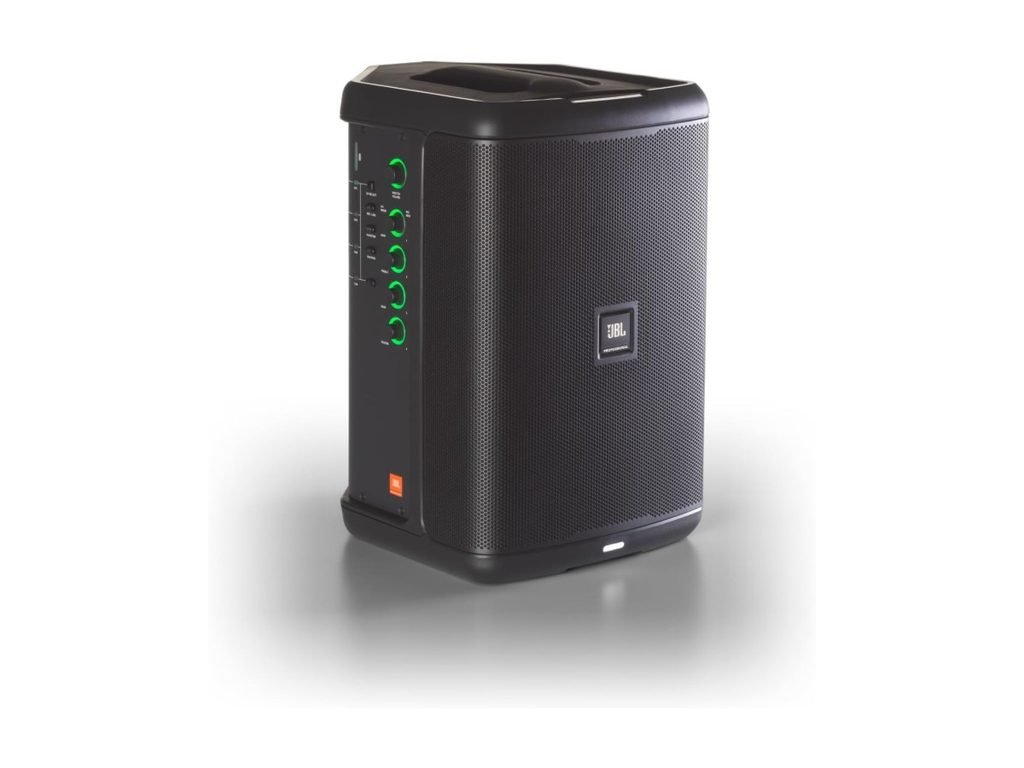
Some rooms have one outlet and it is behind the ice machine. The JBL EON ONE Compact (around $450) runs 12 hours on a swappable battery, weighs 17 pounds, and packs a real 4 channel mixer with Bluetooth and the same speech ducking trick as the EV. It fills a room of 50 to 80 people with clean vocal sound. This is the pick for patios, pop-up shows, backyard shows, and any venue where you do not control the power situation.
The budget battery option: Mackie Thump GO
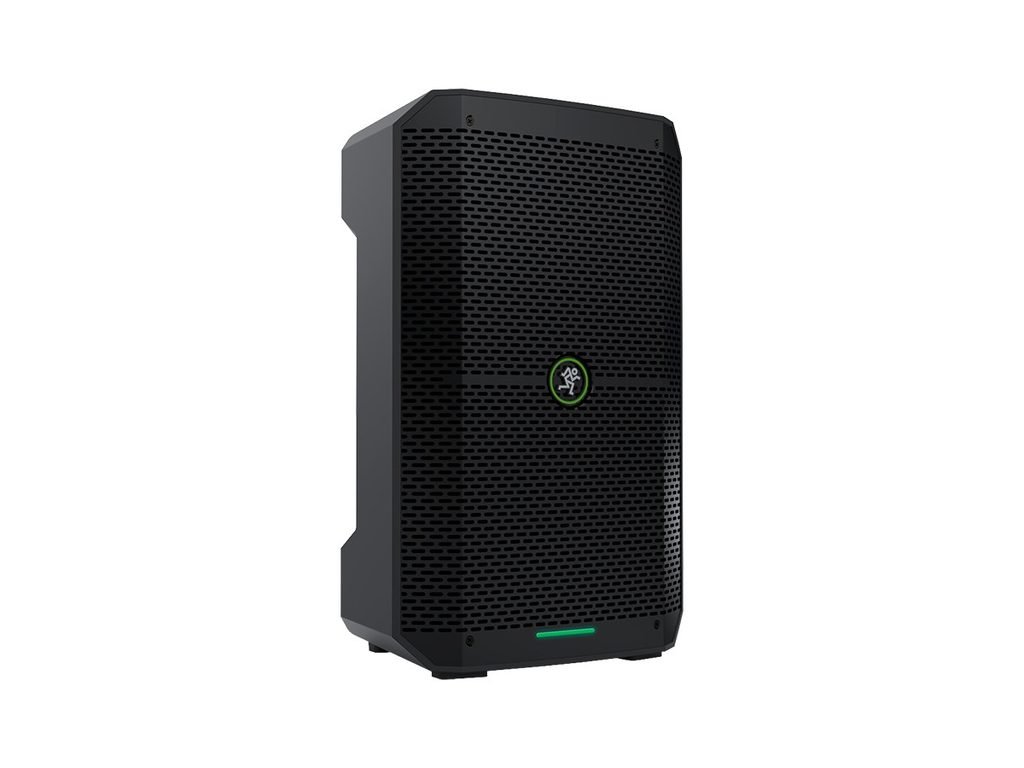
The Mackie Thump GO (around $380) is an 8 inch battery powered speaker with Bluetooth, a 2 channel mixer, and a 12 hour battery. It is the lightest real PA here at under 20 pounds. For a true open mic, a coffee shop show, or a room under 50 people, it does everything the JBL does for less money, just with a little less volume ceiling. If your show grows into a 100 person bar, you will eventually outgrow it.
The premium pick: Bose S1 Pro+
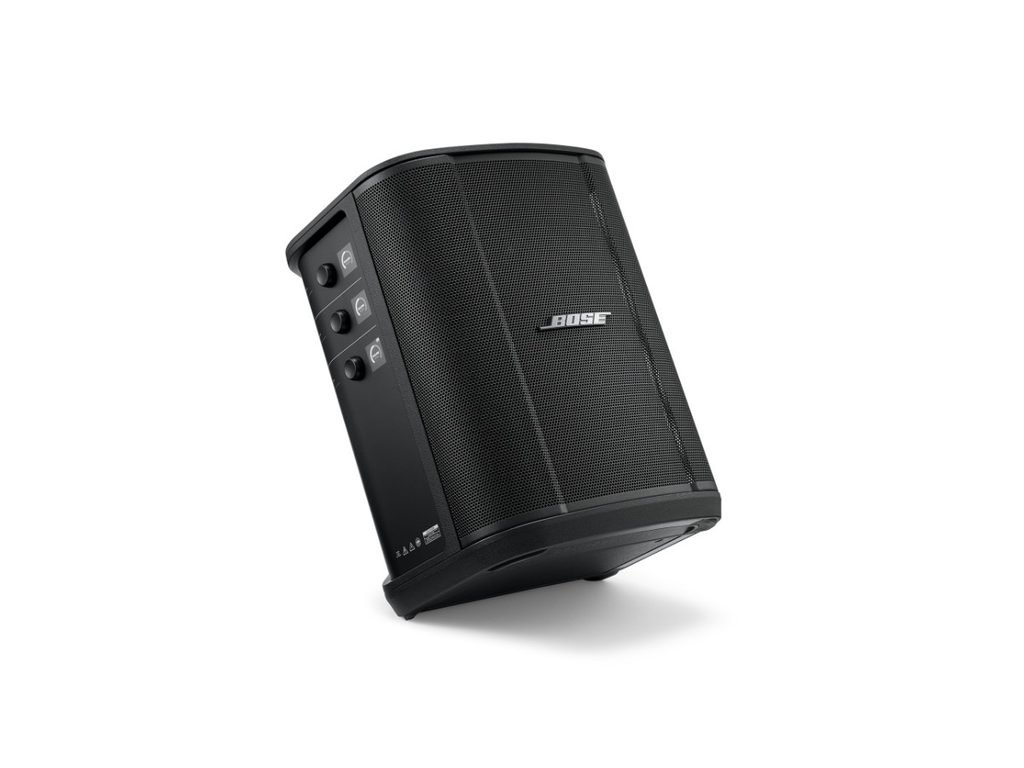
The Bose S1 Pro+ (around $700) is the best sounding compact PA you can buy, with a 3 channel mixer, Bluetooth, 11 hour battery, and four positioning modes including a tilt-back mode that aims sound up at a standing crowd. Vocals through it sound noticeably warmer than anything else at this size. You are paying roughly $250 over the JBL for sound quality and the Bose ecosystem of optional wireless transmitters. Worth it if the PA is also your personal gig rig. Overkill for a Tuesday open mic.
If the speaker is step one of starting your own night, our comedy open mic starter kit and playbook covers everything else, from the signup clipboard to the light.
The Mic, the Stands, and the Cables
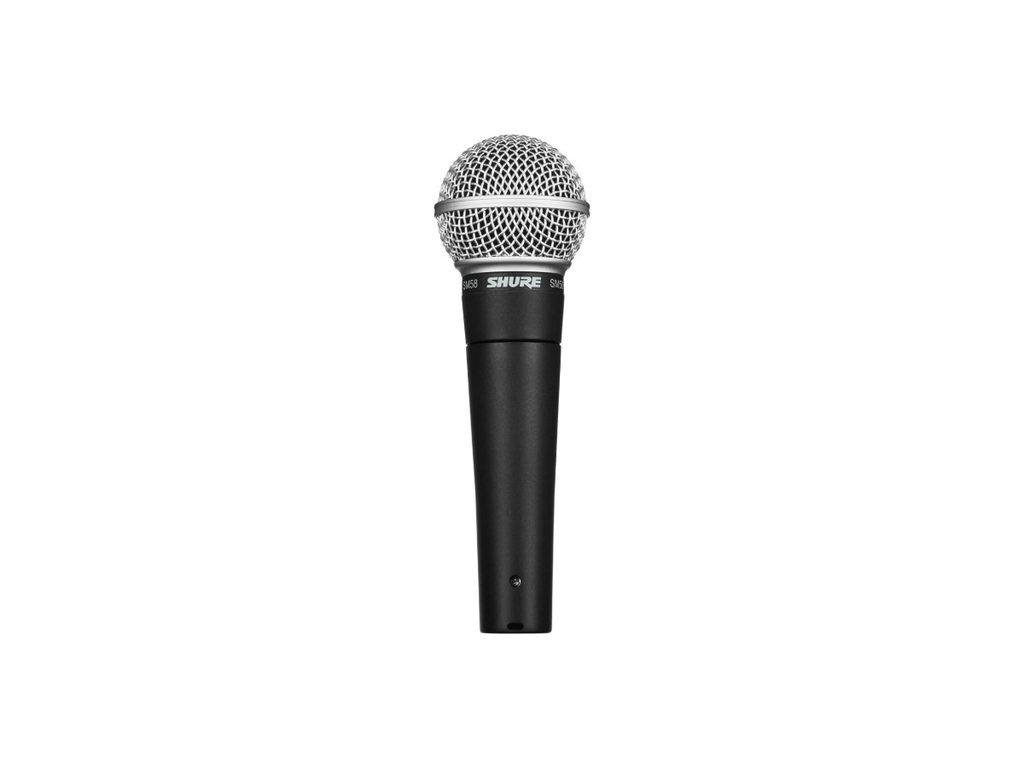
The mic decision is easy because the industry already made it. The Shure SM58 (around $100) is the mic in the clip at almost every comedy club on earth. It rejects feedback, it survives being dropped, and every comic on your lineup already knows how it feels in the hand. There is a version with an on/off switch, the Shure SM58S, which is genuinely useful for open mics where the speaker sits close to the stage: the host can mute the mic between comics instead of letting it ring on the stand.
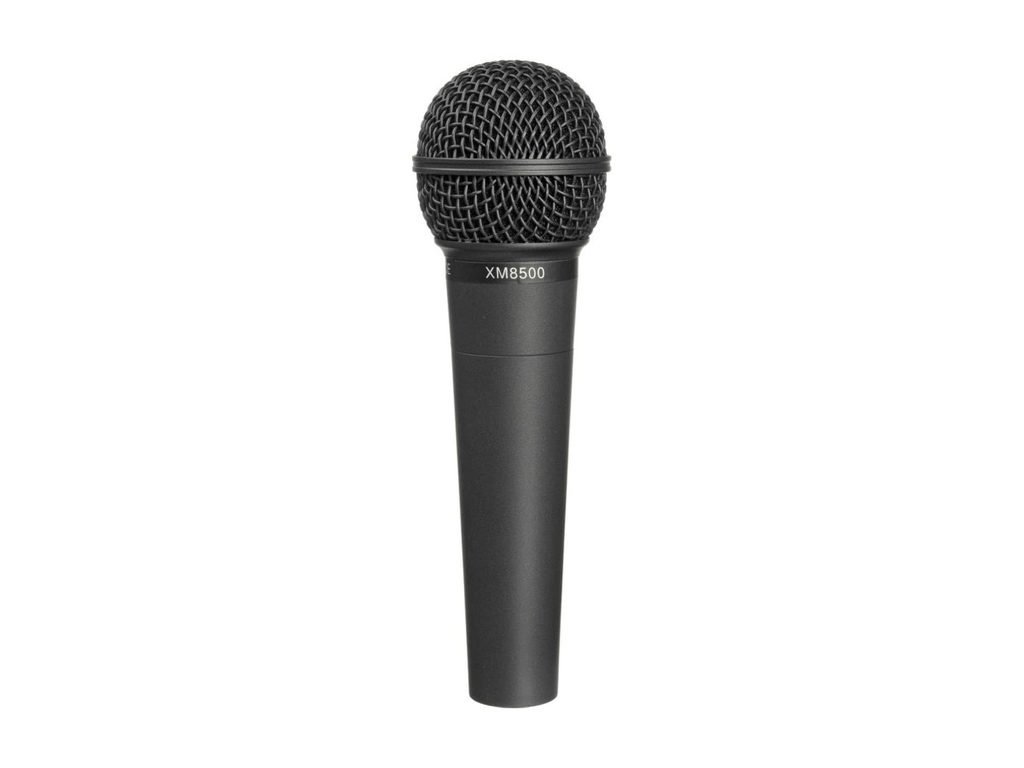
Buy a backup mic. The Behringer XM8500 (around $25) is a shameless SM58 clone that sounds 90 percent as good for a quarter of the price. Some producers run the XM8500 as the main mic for the first few months and upgrade later. Either order works. The point is that a one mic show is one spilled beer away from being a mime show.
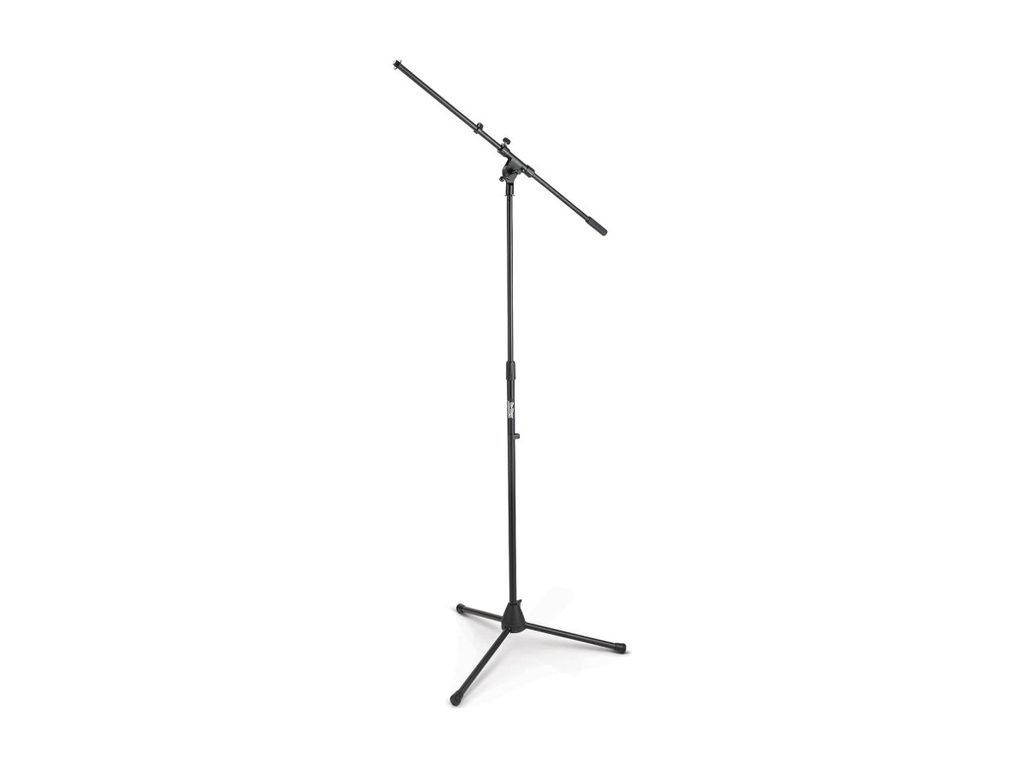
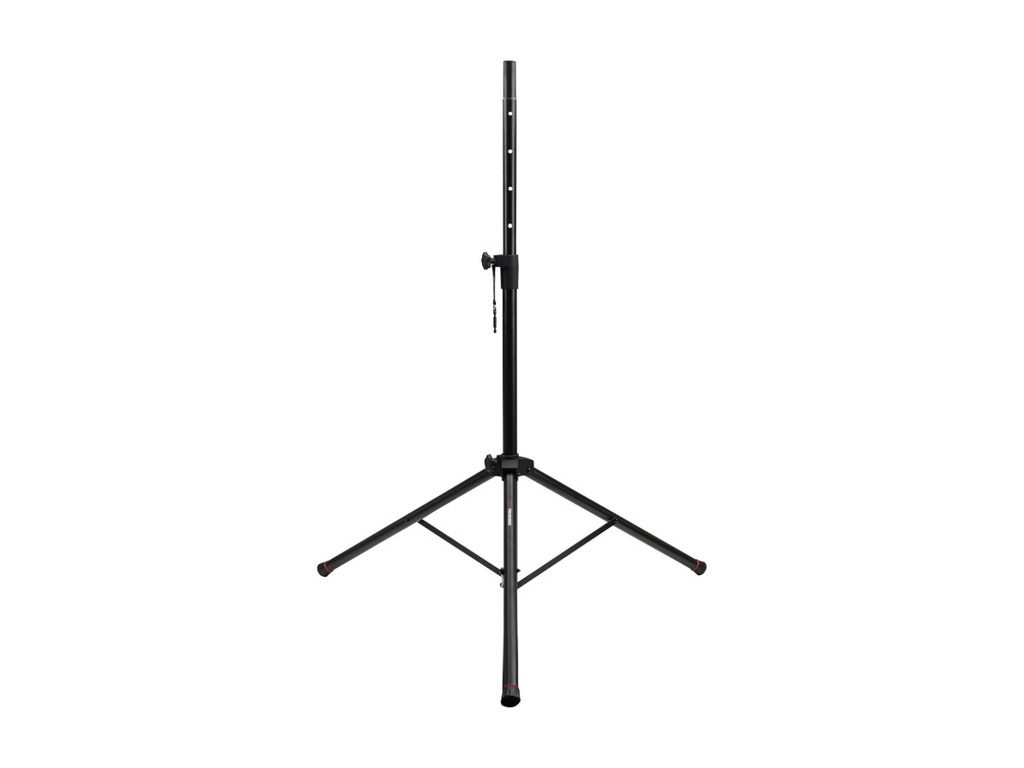
For stands and cables, the boring standards are standard for a reason. The On-Stage MS7701B boom stand (around $35) is the default mic stand of the American open mic. The Gator Frameworks GFW-SPK-2000 speaker stand (around $60) gets your speaker to ear height. And a two pack of 25 foot XLR cables (around $25) covers the run from stage to speaker with a built-in spare.
Three Complete Builds at Real Prices
Prices move around, so treat these as close estimates and check current prices through the links.
| Build | Speaker | Mic | Extras | Total |
|---|---|---|---|---|
| The Open Mic Starter Rooms under 50, no outlet worries | Mackie Thump GO ($380) | Behringer XM8500 ($25) | Mic stand, speaker stand, cables ($120) | ~$525 |
| The Weekly Bar Show 50 to 120 people, recurring show | EV ZLX-12P-G2 ($500) | Shure SM58 ($100) | Mic stand, speaker stand, cables, backup XM8500 ($145) | ~$845 |
| The Go Anywhere Rig Patios, pop-ups, no power | JBL EON ONE Compact ($450) | Shure SM58S ($110) | Mic stand, cables ($60, speaker sits on a table or its own stand mount) | ~$620 |
One build note. A single speaker is correct for comedy in rooms up to about 120 people. Two speakers double your cost, your load-in time, and your feedback surface, and a voice does not need stereo. Save the second speaker for the day your show moves to a genuinely wide room.
How to Set It Up So It Does Not Feed Back
Feedback is not bad luck. It is geometry. The mic hears the speaker, the speaker amplifies the mic, and the loop screams. Three rules prevent essentially all of it.
- Speaker in front of the mic, always. The speaker should stand between the stage and the audience, aimed at the crowd, with the mic behind its front edge. If the comic can see the front grille of the speaker, you did it right.
- Ear height, aimed level. On the stand, tweeter roughly at standing ear height. Sound that fires over the front row reaches the back row.
- Set volume with the room empty, then add 10 percent when it fills. Bodies absorb sound. A level that felt loud at soundcheck disappears under 60 people and their drinks.
Run your music from a phone over Bluetooth, keep it at a level people can talk over before the show, and if your speaker has ducking, turn it on and let it manage the handoff every time the host grabs the mic. And give your host a flashlight or use your phone as the light. A show with a light and walk-on music reads as professional before a single joke is told.
Once the sound is handled, lighting the stage is the other half of making a bar show read as a real show.
Common Mistakes That Kill Bar Shows
- Using the bar’s ceiling speakers. They are designed for background music, they distort on speech, and the volume knob is behind the bar where you cannot reach it mid show.
- Buying a wireless mic for an open mic. Batteries die at 10:40pm, comics walk off with the transmitter, and cheap wireless sounds worse than a $25 wired mic. Wireless earns its place for crowd work heavy showcases, not for mics with 15 comics a night.
- No spare cable, no spare mic. The failure rate is low but the failure cost is the entire show.
- Skipping the speaker stand to save $60. Floor placement muffles the show and invites feedback. It is the worst savings per dollar in live audio.
- Not recording the show. Every speaker here has a line output or a mixer feed. Run it into a recorder and every comic on your lineup leaves with usable audio, which is also how you get comics to keep asking for spots. Our audio recorder guide covers the two source setup, and if you are filming, start with how to film stand-up comedy.
Frequently Asked Questions
How big a room can one of these handle?
The battery speakers comfortably cover 50 to 80 people. The EV and Yamaha cover 100 to 150 in a normal bar layout. Past that, you are in two speaker territory and probably in a venue that already owns a PA.
Do I need a mixer?
No. Every speaker here has a built-in mixer with enough channels for one mic and music, which is a comedy show. A standalone mixer becomes worth it when you add a second mic for a podcast style recording, which we cover in our comedy podcast mic guide.
Battery or wall power?
If you know your venue and its outlets, wall power buys more volume per dollar. If you run shows in changing venues, the battery models remove the single most annoying variable in DIY comedy production.
Is the sound system really worth more than the camera?
For a producer, yes, and it is not close. A great clip of a dead room helps nobody. We made the longer argument in why nobody is watching your stand-up clips: the laugh track your PA creates is the production value.
Buy the Rig, Then Book the Room
Pick the build that matches your room, order it this week, and spend one evening in your living room learning the knobs before you are learning them in front of a crowd. Then go get the reps. If you are in Houston, our open mic directory lists every mic in the city, and if you are about to start your own, that page is also where Houston comics will find it.