
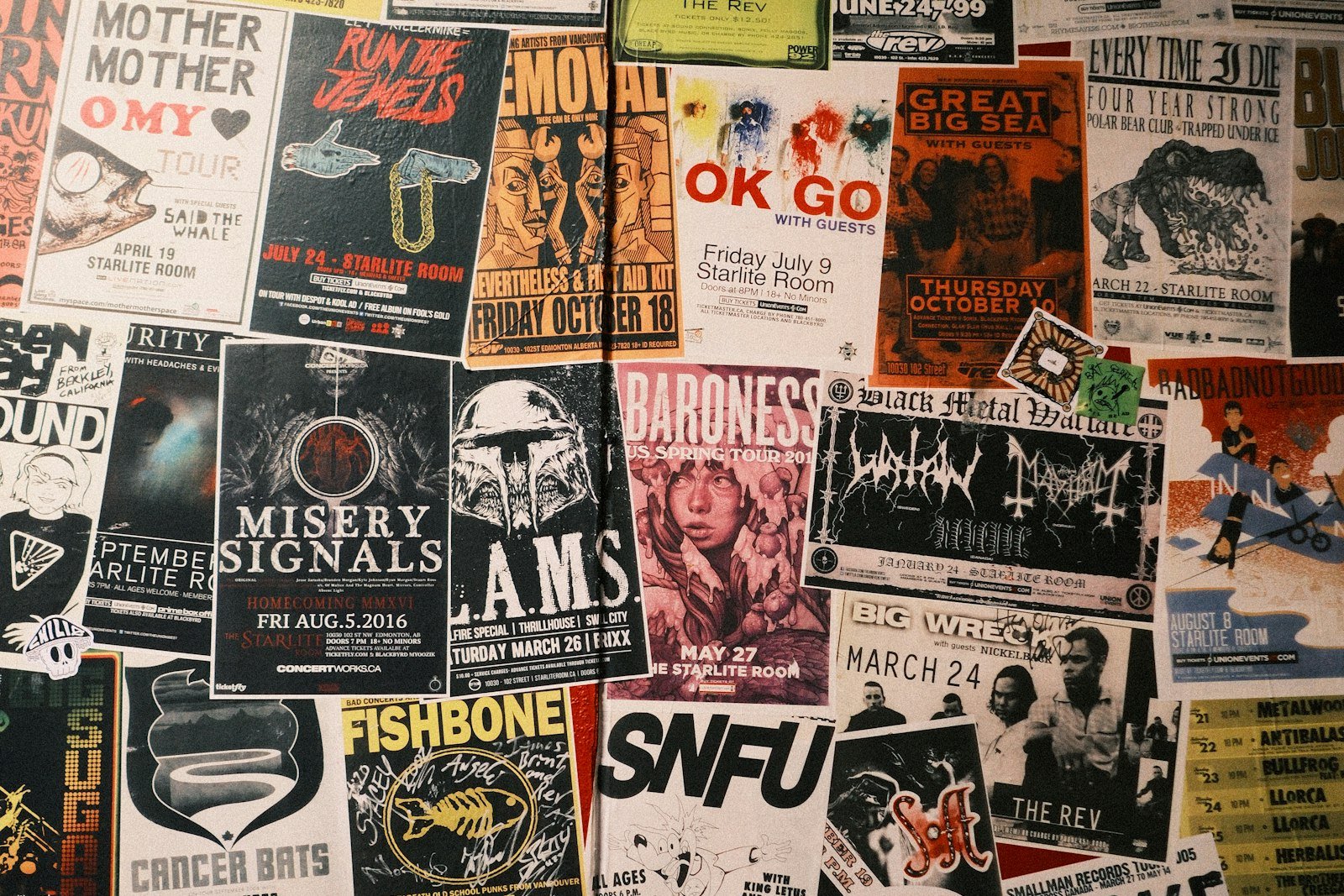
You posted the flyer eleven times and sold nine tickets into a room that holds forty. Every comic who has produced a show knows that math, and almost every one of them draws the same wrong conclusion from it, which is that the next show needs more posts. Posting is the cheapest thing available, which is why it is always the first thing tried. The show did not fail to reach people. It reached them and gave them no reason to move a Thursday around.
What follows assumes you are producing: you booked the room, you are filling the seats, and nobody is coming to save you. The work splits into four jobs, and none of them is posting more.
The flyer is a filter, not an advertisement
A stranger scrolling past your post decides in under a second, and the only question they are answering is what this is. Five names in a font, a bar logo, and a date does not answer it. It tells them a comedy show is happening, which they already assumed was true of every night in their city.
Give the show one clear identity and put it where the eye lands first. A theme, a format, a premise, a recurring bit, anything a person could repeat to a friend without opening the flyer again. Matt Ruby, writing about why gimmick shows get booked while straight showcases do not, puts the mechanism plainly: a show with a clear identity is easier to book, and an interchangeable one is easy to overlook. His warning is worth keeping too, because a premise that sells a ticket and dies on stage costs you the second show.
Price the ticket for the room, not for your feelings about it

New producers price at five dollars because they are afraid nobody will pay ten, then discover that five-dollar tickets attract people who treat the reservation as optional. A ticket is a commitment device. The number should be high enough that skipping it stings a little and low enough that a stranger will gamble on names they do not know. In the one metro whose listings we track in full, the biggest single band of priced comedy tickets, 162 of 347, sits between ten and twenty dollars, and that is a reasonable place to start arguing with yourself.
Decide the comp list before you announce, not the night of. Comics, the venue’s staff, and the person who shot your photos are the entire list for most shows. Everyone else buys, including friends, and especially other comedians, whose attendance costs you a paying seat and buys you nothing you can spend.
The first twenty seats come out of your phone
Open your messages and count the people you have talked to in the last year who are not comics. That number, whatever it is, is your real starting audience for the first show. Text them individually, name the date, and ask them to buy rather than to come. A group post asks nobody in particular.
Keep the list afterward. Who bought, who came, who brought someone, and who said yes and vanished. That file is the only asset a producer builds that compounds, and it is worth more after four shows than any follower count, a point the essay on promotion for stand-up comedians works through at the career level rather than the single-show level.
Strangers arrive through the venue and the listings, not your feed
The bar or club has an audience already, and most producers never ask for it. Get on the venue’s own calendar page, its social accounts, and any printed sheet at the door, then supply the copy yourself so it says what you want it to say. A venue will publish what you hand them and will rarely write it for you.
Then get listed everywhere a local search lands. City event calendars, alt-weekly listings, ticketing platform discovery pages, and the comedy-specific aggregators that cover your metro. We compile one of those aggregators for a metro carrying five hundred-odd listings a quarter, and it is built entirely from ticketing platforms and club calendars, which means a show selling through a payment app and a comment thread cannot appear in it at all. Someone deciding at 4pm to go out that night searches the city and the word comedy. If your show is not in that result, it is invisible to everyone who does not already follow you.
Press works the same way, at a smaller scale. One paragraph to the one local writer who covers nightlife beats a mass email to twenty outlets, and the paragraph should be about the premise, not about your credits.
Book the room, then sell the first ten seats yourself
Two weeks out, the show has an identity, a price, a listing, and ten seats already sold by hand. That is a different object from a flyer posted eleven times. Everything after that is maintenance: one reminder to the list at seven days, one at two days, one on the day, each with the specific ask to buy now rather than to remember later.
Run the room well when it fills, because the second show is sold by the first one. Maggie Scudder’s list of what the best hosts do puts keeping track of time second only to listening, and time is the item producers ignore until a show runs ninety minutes past its billing. If you are also building the room from scratch, the mechanics of running an open mic cover the same ground on a weekly clock, and the three-line booking email is how you get the comics worth putting on the flyer in the first place. Go find your ten people. The eleventh post can wait.