
As an Amazon Associate I earn from qualifying purchases. This post contains affiliate links (paid links). If you buy through them, Comedy Houston earns a small commission at no extra cost to you. It helps keep our show listings free.
The short answer: if you want to skip the reading, buy the Shure SM58. It is the mic in every club on earth and it costs about a hundred dollars. Producers going wireless should start with the Shure BLX24/SM58.
Quick Picks: Best Microphones for Stand-Up Comedy (September 2026)
| Best for | Mic | Why | Price |
|---|---|---|---|
| The standard | Shure SM58 | The mic in every club; rejects feedback, survives drops | Check price on Amazon |
| Louder wired upgrade | Shure Beta 58A | Hotter output, tighter pattern for bar stages | Check price on Amazon |
| Quietest in the hand | Sennheiser e945 | Shock-mounted capsule for comics who work the mic | Check price on Amazon |
| Budget wireless | Shure BLX24/SM58 | Real SM58 capsule, 300 feet of range, AA batteries | Check price on Amazon |
| Wireless, app-managed | Sennheiser EW-D 835-S | Digital audio, frequency setup from your phone | Check price on Amazon |
| Wireless for nightly rooms | Shure SLXD24/SM58 | 24-bit digital, rock-solid RF, buy once | Check price on Amazon |
| Open mic on beer money | Shure PGA58 | 80 percent of an SM58 with an on/off switch | Check price on Amazon |
| Filming your set | Rode Wireless GO Gen 3 | Clean audio straight to your camera | Check price on Amazon |
Prices checked on Amazon September 8, 2026. They change often, so the links always show the current price. Paid links.
Look at a photo from any comedy club on earth and the same microphone is in it. The Shure SM58 has been the sound of stand-up for fifty years because it survives being dropped, swung by the cable, and yelled into six nights a week. That makes the first pick on this list easy. The interesting questions are what to buy when you outgrow it, what a producer should hang on a wireless rig, and what to clip to your shirt when you film your own set. Here is the 2026 answer to all of it, with prices checked this week:
- Shure SM58 (about $99 to $109) – the standard
- Shure Beta 58A (about $179) – the wired upgrade
- Sennheiser e945 (about $200) – the comedian’s secret weapon
- Shure BLX24/SM58 (about $349 to $389) – budget wireless
- Sennheiser EW-D 835-S (about $699) – digital wireless
- Shure SLXD24/SM58 (about $729) – the pro room rig
- Shure PGA58 (about $75) – the open mic budget pick
- Rode Wireless GO Gen 3 (about $160 to $199) – for filming your set
The standard: Shure SM58
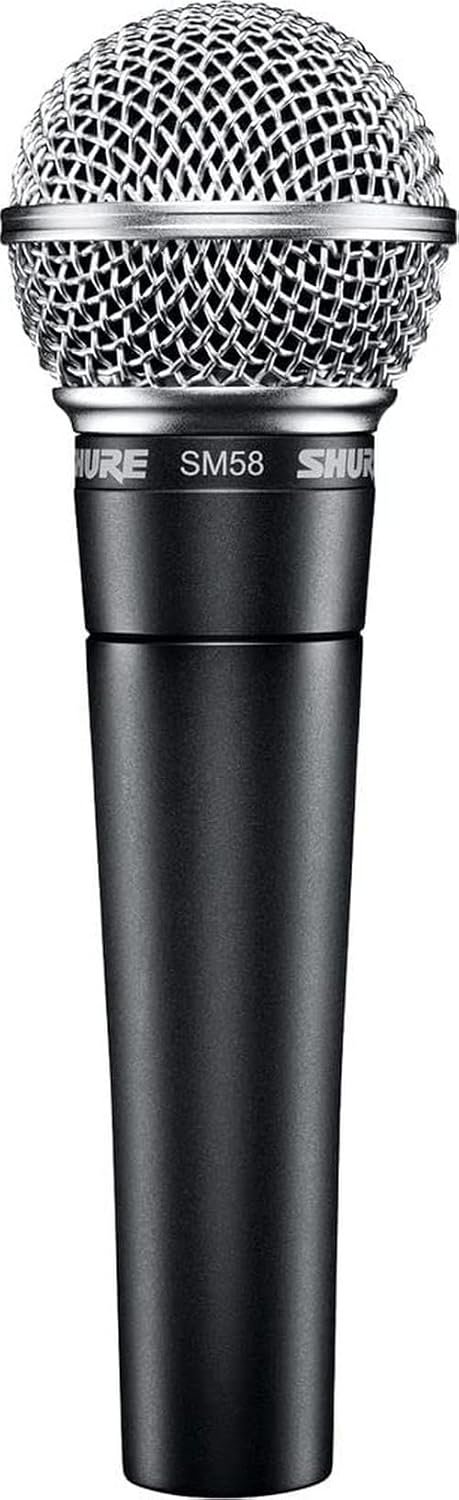
The SM58 is the default for a reason. The cardioid pattern rejects the PA behind it, the tailored vocal bump makes speech cut through bar noise, and the build quality is legendary to the point of parody. Every sound tech knows exactly how it behaves on every board in every club. If you produce a show or just want your own mic in your backpack, this is the first hundred dollars you spend, and prices float between 99 and 109 dollars depending on the week.
The wired upgrades
Shure Beta 58A
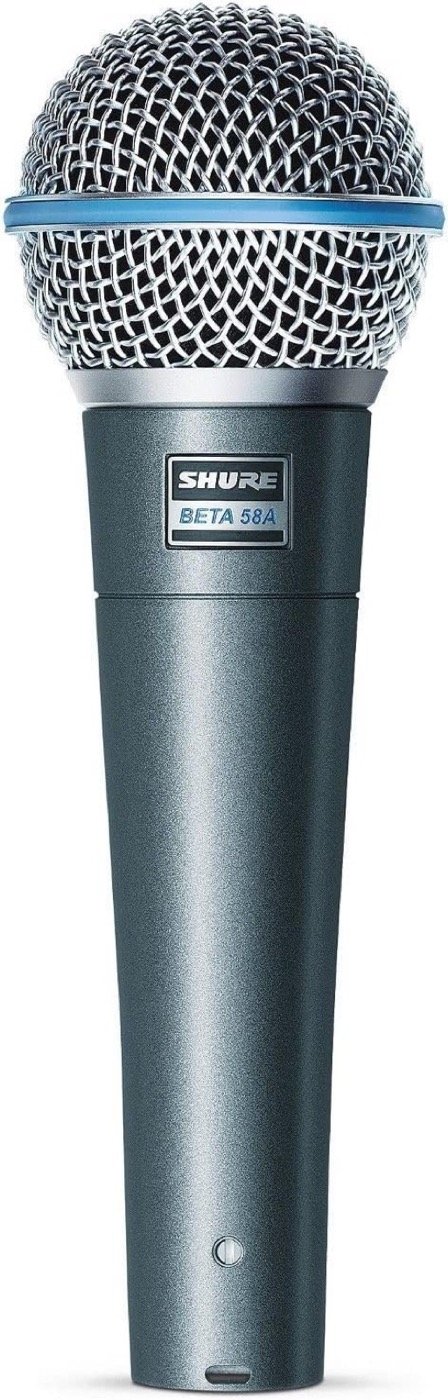
The Beta 58A is the SM58’s louder, clearer sibling: a supercardioid pattern with hotter output and more top end. The tighter pattern matters in bar shows where the speaker placement was decided by whoever hung the TVs, because it rejects feedback the 58 would catch. Same tank build, hardened steel grille, about 169 dollars.
Sennheiser e945
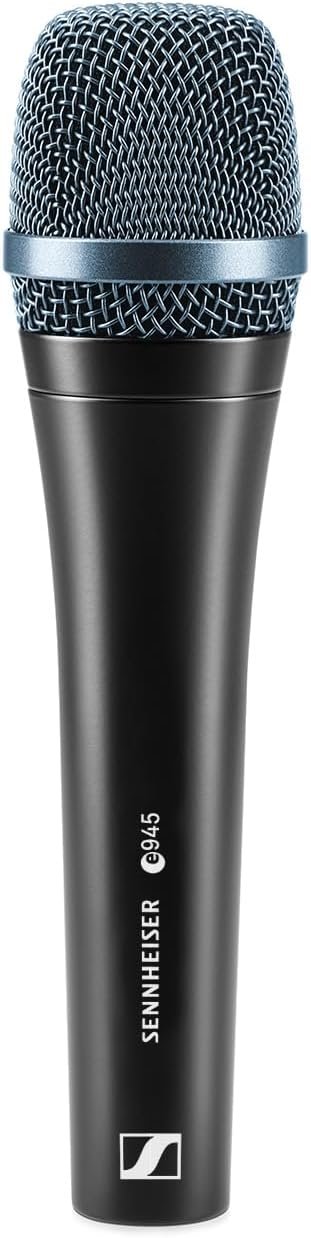
Comedians handle microphones constantly: in the stand, out of the stand, hand to hand. The e945‘s shock-mounted capsule is famously quiet about all of that, and its midrange flatters talking rather than singing, which is exactly the job. Around 200 dollars, and the cardioid e935 sibling runs about 20 dollars less if you want a more forgiving pattern for comics with wandering mic technique.
Going wireless: what producers should know first
One rule before any wireless purchase: the 600 MHz block (617 to 652 and 663 to 698 MHz) has been illegal for wireless mics in the US since 2020. Never buy a used wireless system without checking its band, and buy new systems in the band sold for your region.
Shure BLX24/SM58: the budget rig
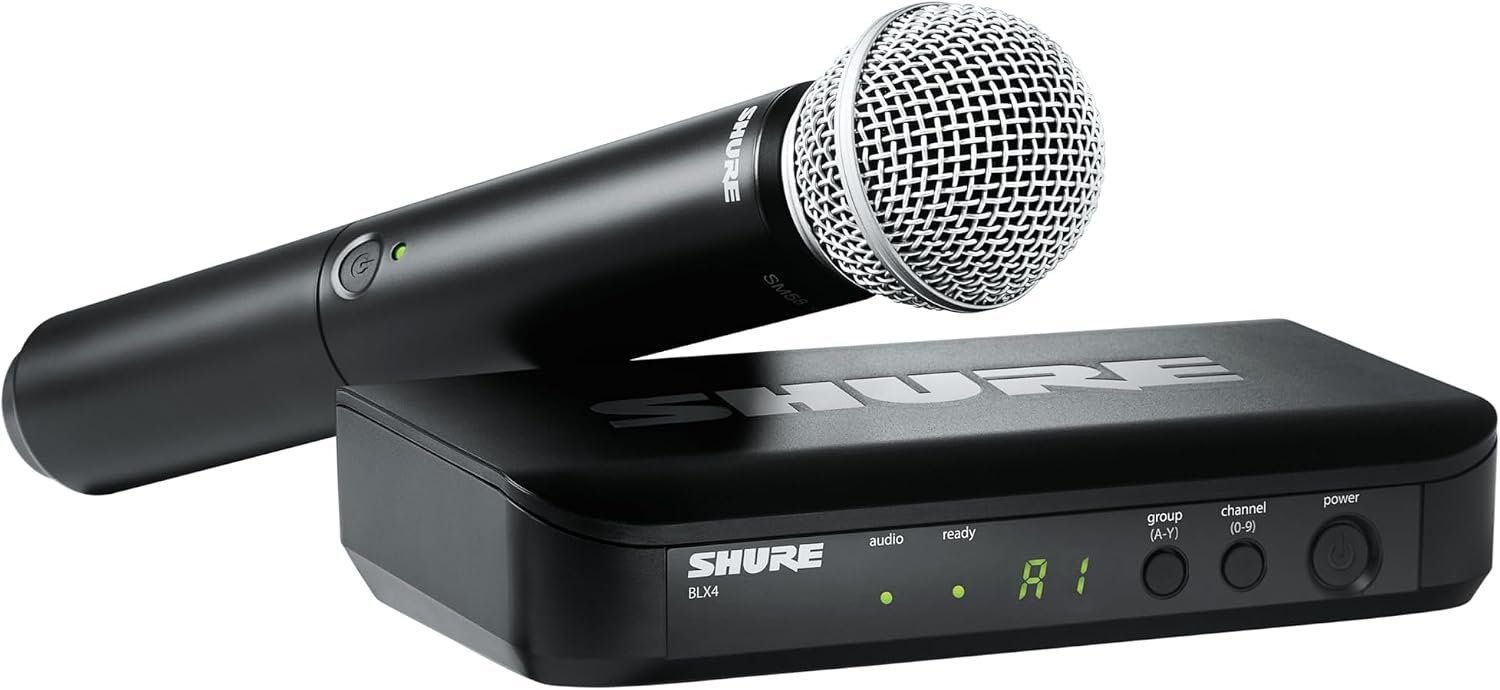
The BLX24/SM58 puts a real SM58 capsule on a wireless handheld with 300 feet of range and 14 hours on two AAs. It is the cheapest way to kill the cable-trip hazard on your stage without changing how the show sounds, at about 349 to 389 dollars depending on band. Running two hosts? The dual-mic BLX288/SM58 covers both in one receiver.
Sennheiser EW-D 835-S: digital, app-managed
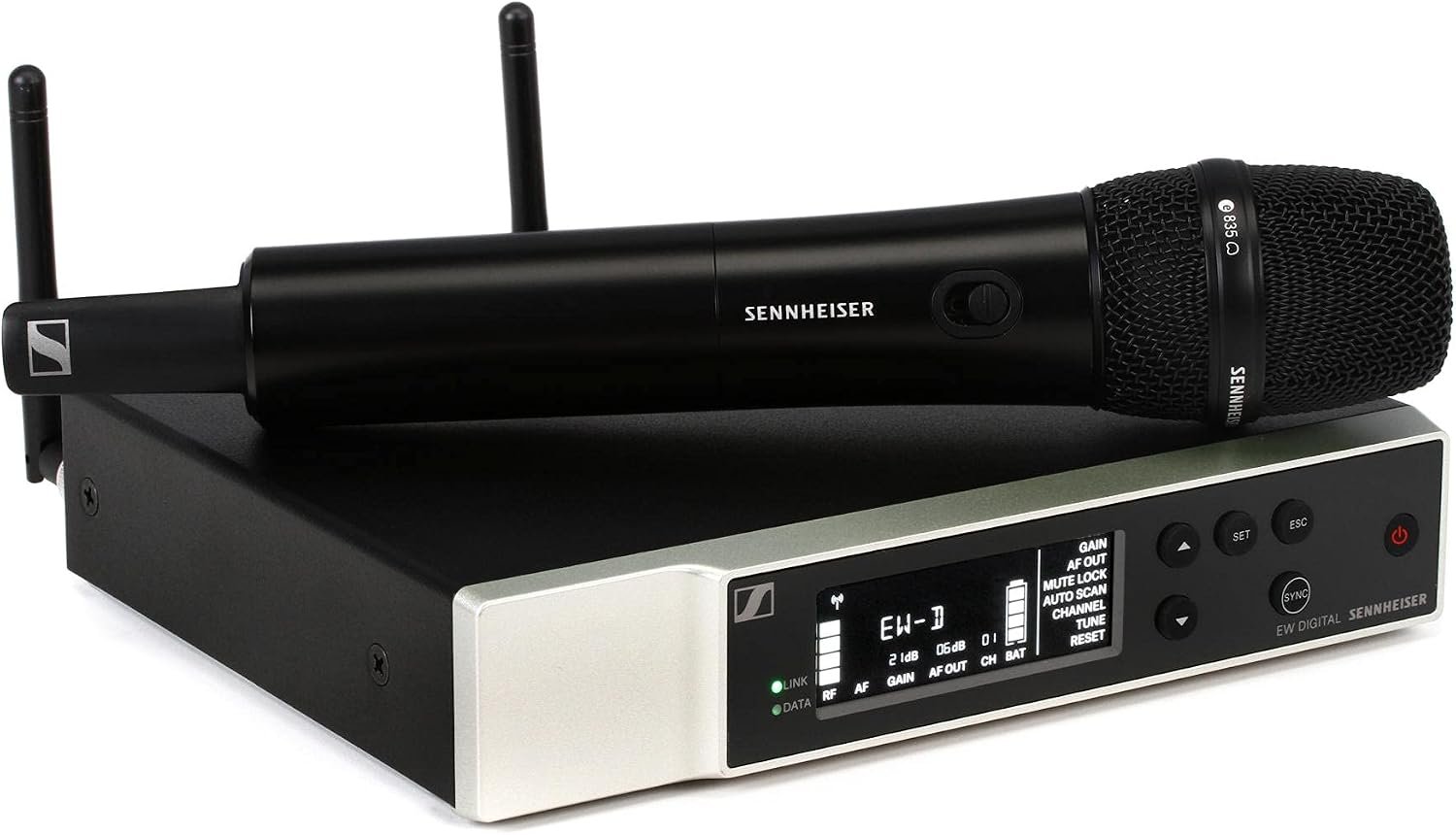
Sennheiser’s EW-D 835-S does its frequency coordination from a phone app, which is the right answer for producers who do not want to learn RF planning. Digital audio, a rechargeable battery option good for 12 hours, a warm and forgiving e835 capsule, and a mute switch on the handheld that hosts learn to love. About 699 dollars.
Shure SLXD24/SM58: buy once, stop thinking
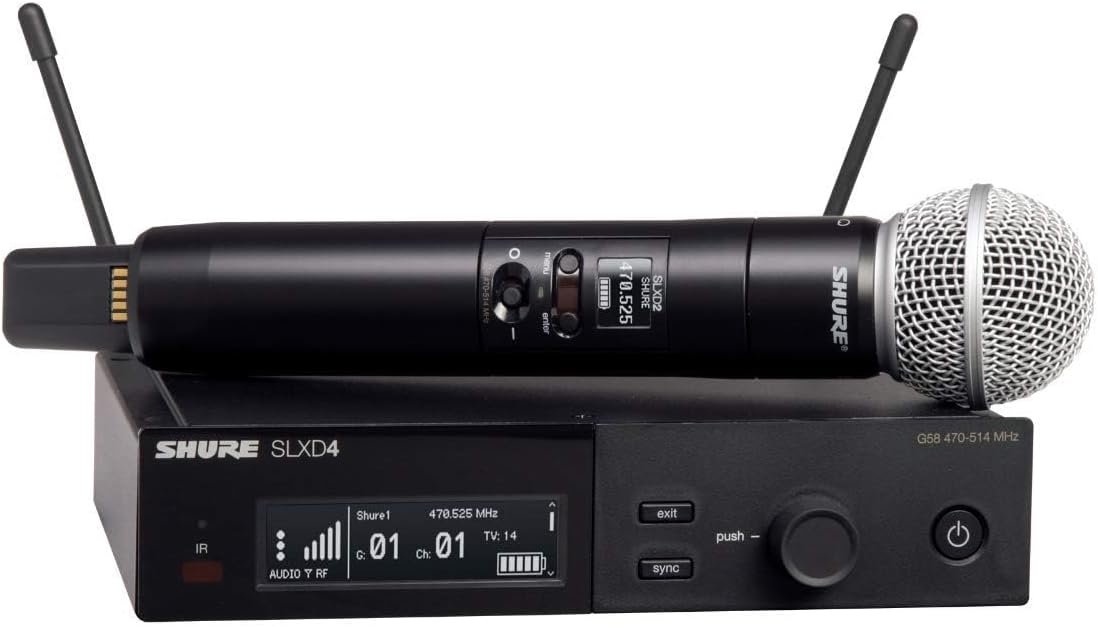
For a room that runs shows every night, the SLXD24/SM58 is the grown-up purchase: 24-bit digital audio, rock-solid RF in the crowded UHF band, scan-and-sync setup, and 8 hours per charge on the transmitter. About 729 dollars, and it is the system you buy once and never think about again during a show.
The budget end
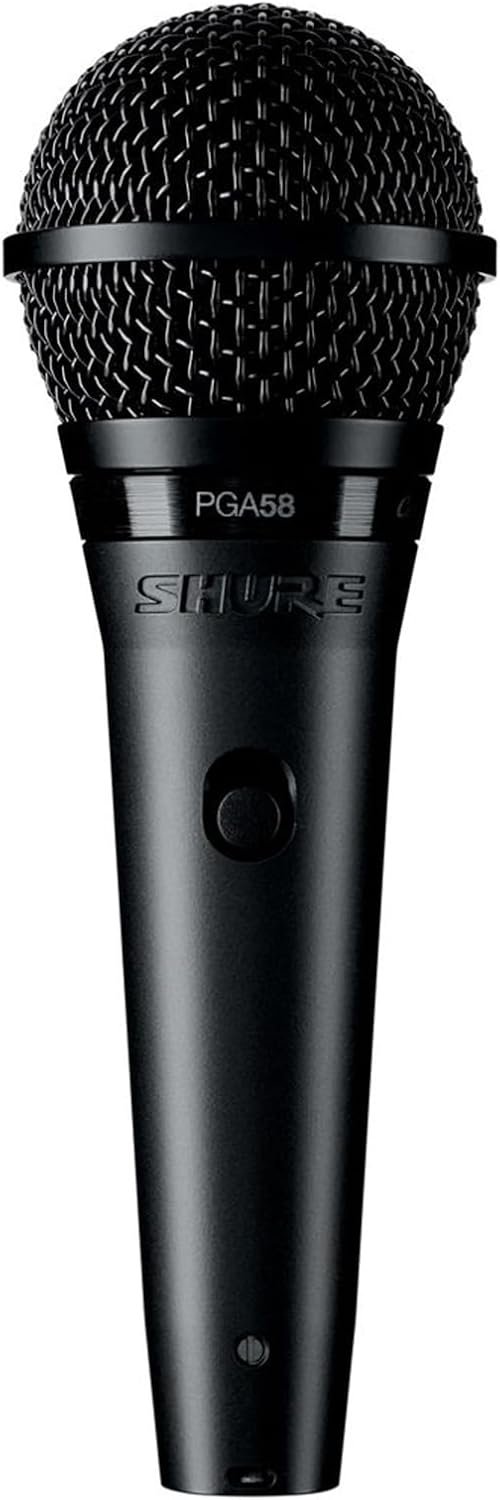
The Shure PGA58 is 80 percent of an SM58 for about 55 dollars, with an on and off switch that matters when your DIY show has no sound tech. If you are outfitting an open mic on beer money, the Behringer XM8500 at around 25 dollars is the classic buy-a-handful choice, and honestly it holds up better than it has any right to.
Filming your set: Rode Wireless GO Gen 3
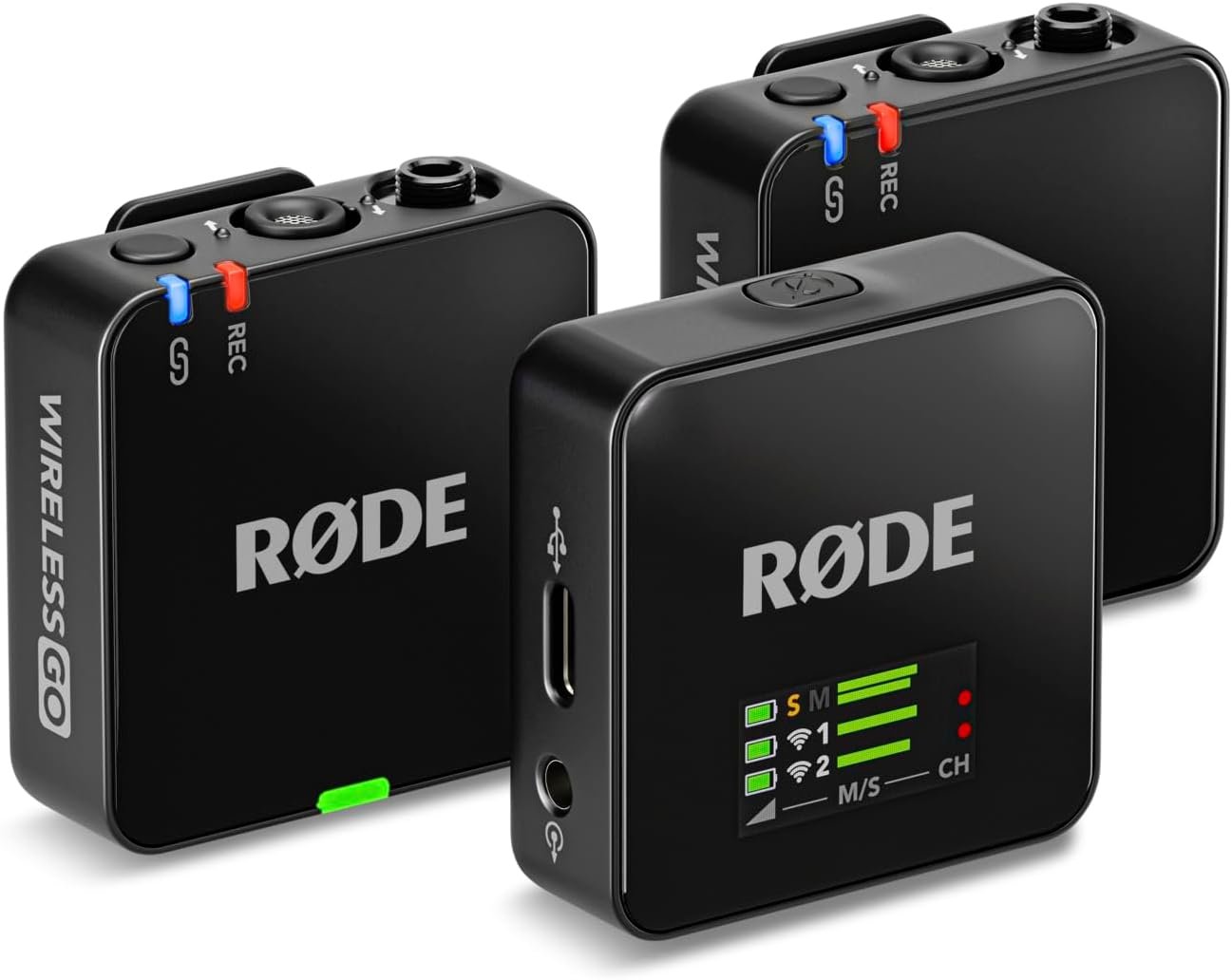
Different job, different tool. When you film your own set, the club’s mic feeds the room, not your camera, and camera audio from the back of a bar is unusable. The Wireless GO Gen 3 solves it with two clip-on transmitters and a receiver on your camera: one transmitter on your lapel, one pointed at the crowd for the laughs. Each transmitter also records 32-bit float audio onboard, so even if the wireless drops mid-set, a clean backup of your tape exists. List price fell to 199 dollars in late 2025 and it regularly sells around 160.
Match the mic to the job and move on
The honest summary: comics buy an SM58 or an e945 and are done. Producers add a BLX24 when the budget is tight or an SLXD24 when the room is serious. Anyone filming their own tape adds the Rode kit. Pair whichever you pick with the right capture chain: our guides on audio recorders, PA systems, and filming stand-up cover the rest of the signal path, and the camera guide covers what the receiver plugs into. Good audio is the difference between a clip that spreads and a clip that gets scrolled past. The laugh has to be heard to count.