
As an Amazon Associate I earn from qualifying purchases. This post contains affiliate links (paid links). If you buy through them, Comedy Houston earns a small commission at no extra cost to you. It helps keep our show listings free.
Ninety three dollars. That is the full price of the gap between a bar show and a show that looks like comedy on purpose. We priced it out below, down to the dimmer switch.
Producers spend real money on sound, and they should. We wrote a whole guide on the best PA systems for comedy shows because nobody laughs at a punchline they half heard. But lighting is the cheaper half of production and it gets skipped far more often. A comic performing under a bar’s ceiling cans looks like a customer who stood up. The same comic under two warm lights looks like the show. The audience decides which one they are watching in the first ten seconds.
Comedy Lighting Has One Job
Concert lighting sells energy. Comedy lighting sells a face. Laughter is partly social permission, and an audience gives that permission to a person they can read: eyebrows, smirks, the pause before the punchline. When the face is dim, timing dies quietly and producers blame the lineup.
That means you can ignore most of what lighting companies sell. No moving heads, no lasers, no strobes, no color chases. You need warm light on a face, a dark audience, and a way to turn it all up and down. Everything below serves those three things.
The Three Rules of Comedy Lighting
- Warm white on the face, always. Around 3000K, the color of an old incandescent bulb. Cool white reads as an office. Colored light on a face reads as a haunted house. Warm white reads as a comedy club because it is what every comedy club uses.
- The audience stays dark. People laugh harder when they feel unobserved. If your lights spill into the first three rows, the first three rows stop laughing. Aim tight, and kill the bar’s overheads near the stage if the bartender will let you.
- 45 degrees up, 45 degrees off center. Two lights, one from each side, above eye level, crossing on the comic’s face. This is the standard theater recipe because it lights both cheeks and keeps shadows off the eyes. One light works in a pinch. Light from below never works, that is the flashlight campfire look.
The $93 Rig: Clamp Lights and a Dimmer
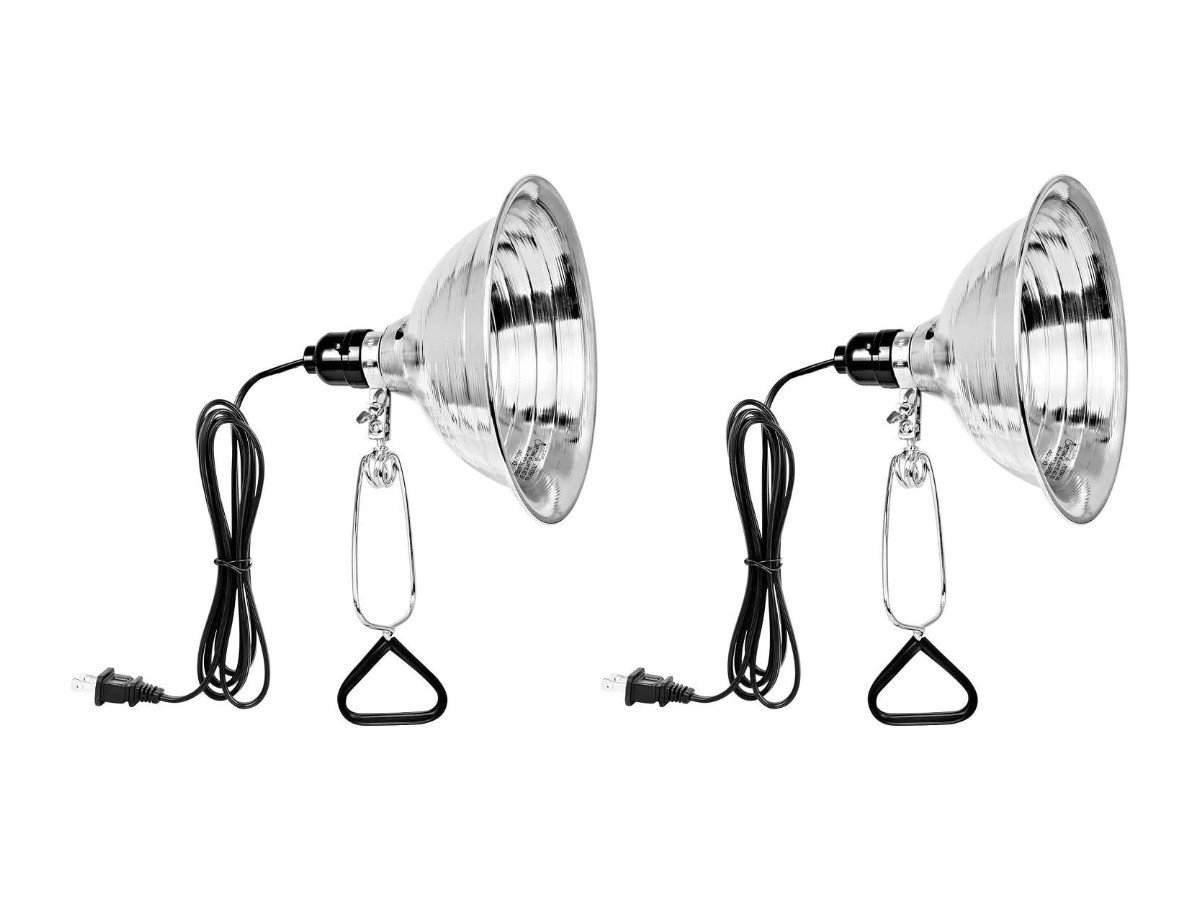
This is the rig running half the good indie shows in America, and most audiences never notice, which is the point. A two pack of clamp lights (around $23) clamps to a shelf, a beam, a curtain rod, or the top of the PA speaker stand you already own. Put one on each side of the stage, above head height, aimed down at where the mic stand lives.
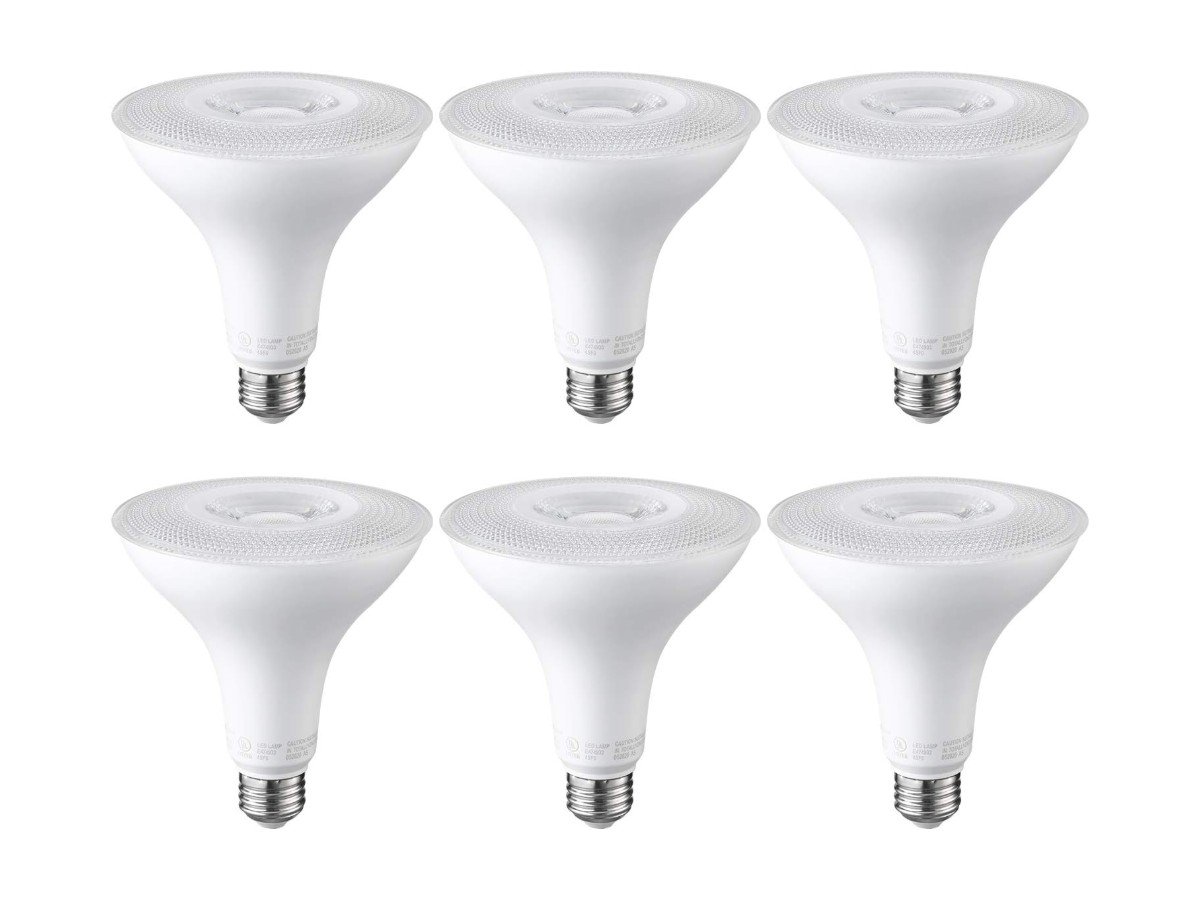
Into each clamp goes a dimmable PAR38 LED flood bulb at 3000K (around $34 for a six pack, so you have spares for the rest of your producing career). PAR38 floods throw a controlled cone of light instead of glowing in every direction, which is what keeps the audience dark.
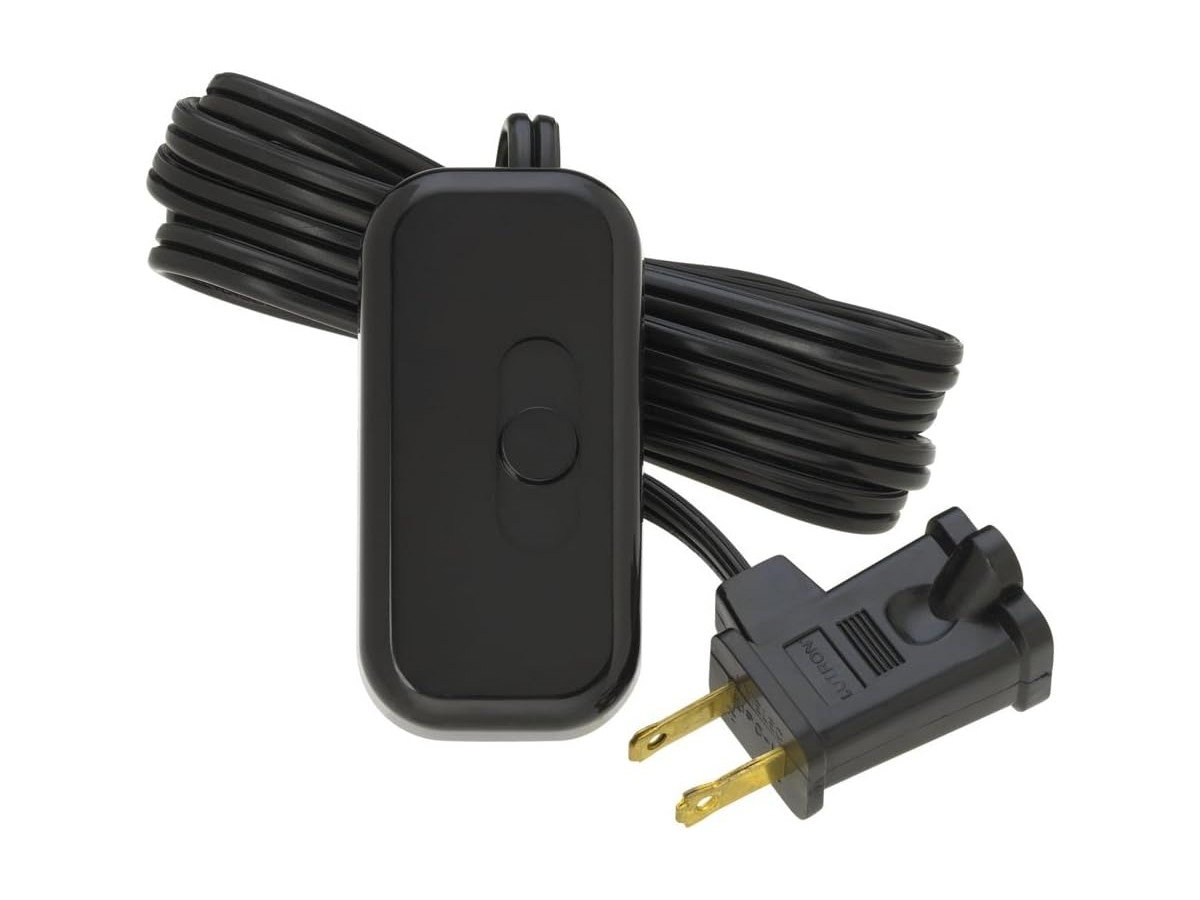
The piece everyone skips is the dimmer, and it is the piece that makes the rig feel professional. A Lutron Credenza LED+ plug-in dimmer (around $18 each, get two) sits inline on each lamp cord. Full brightness at full crowd, softer for a sparse Tuesday, and a slow fade-up when the host takes the stage costs you nothing but looks like a cue. One warning from experience: it must be an LED rated dimmer like this one. The classic incandescent Credenza will make LED bulbs flicker like a horror movie.
The $375 Rig: App Controlled Pars, No Wiring
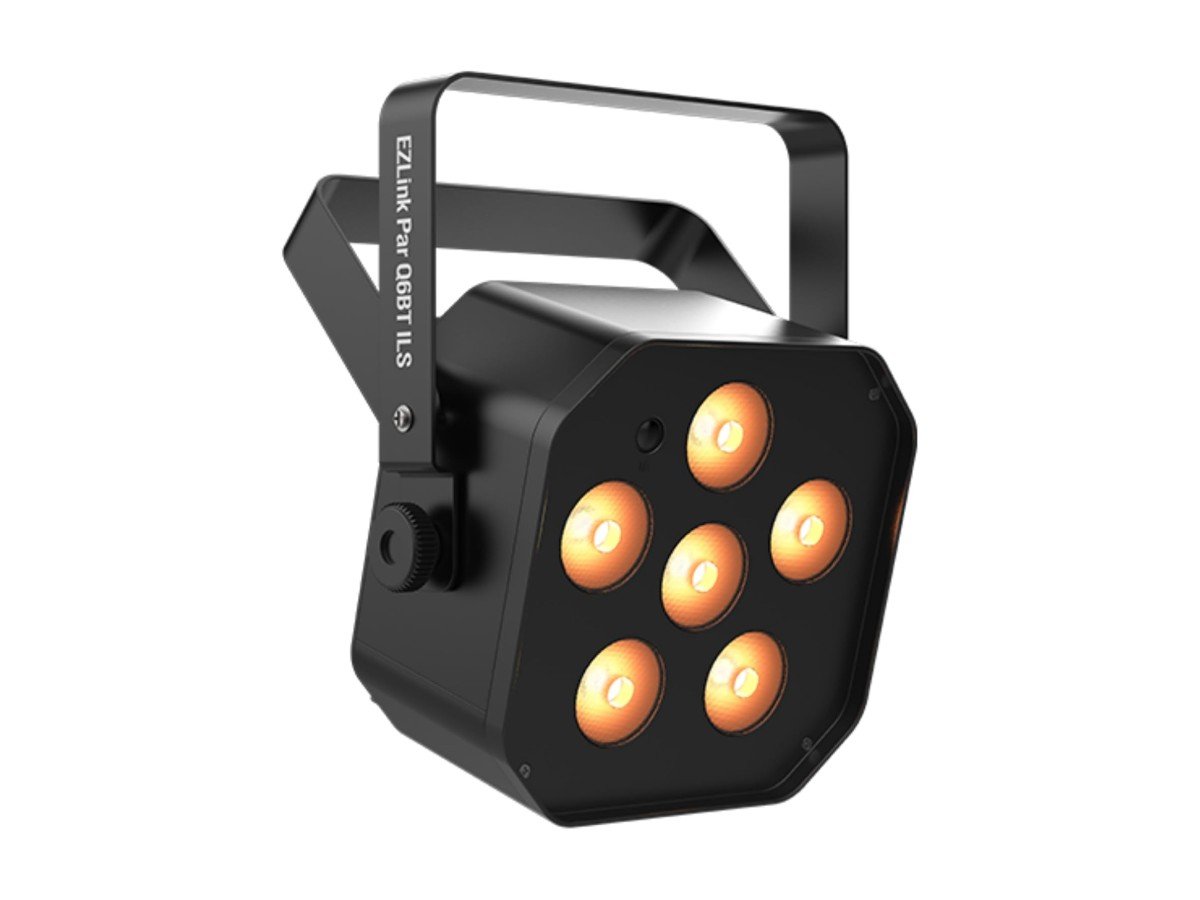
If your show has legs, this is the upgrade we would buy, and it is the top pick of this guide. The Chauvet DJ EZLink Par Q6BT ILS (around $169, you want two) solves the two problems bars actually have: no outlets where you need them and no time to run cables. It is fully battery powered, runs up to 20 hours on a charge, and you control it from your phone over Bluetooth. The LEDs include genuine amber diodes, which is the detail that matters for comedy. Amber mixed with the other colors produces a believable warm white instead of the grayish fake white cheap RGB pars make.
Setup on show night: place two pars at 45 degrees, open the app, set both to warm white at about 70 percent, and put the phone away. No DMX, no board, no learning curve. Pair them with the same battery PA speakers from our PA guide and your entire show rig runs without touching a single outlet.
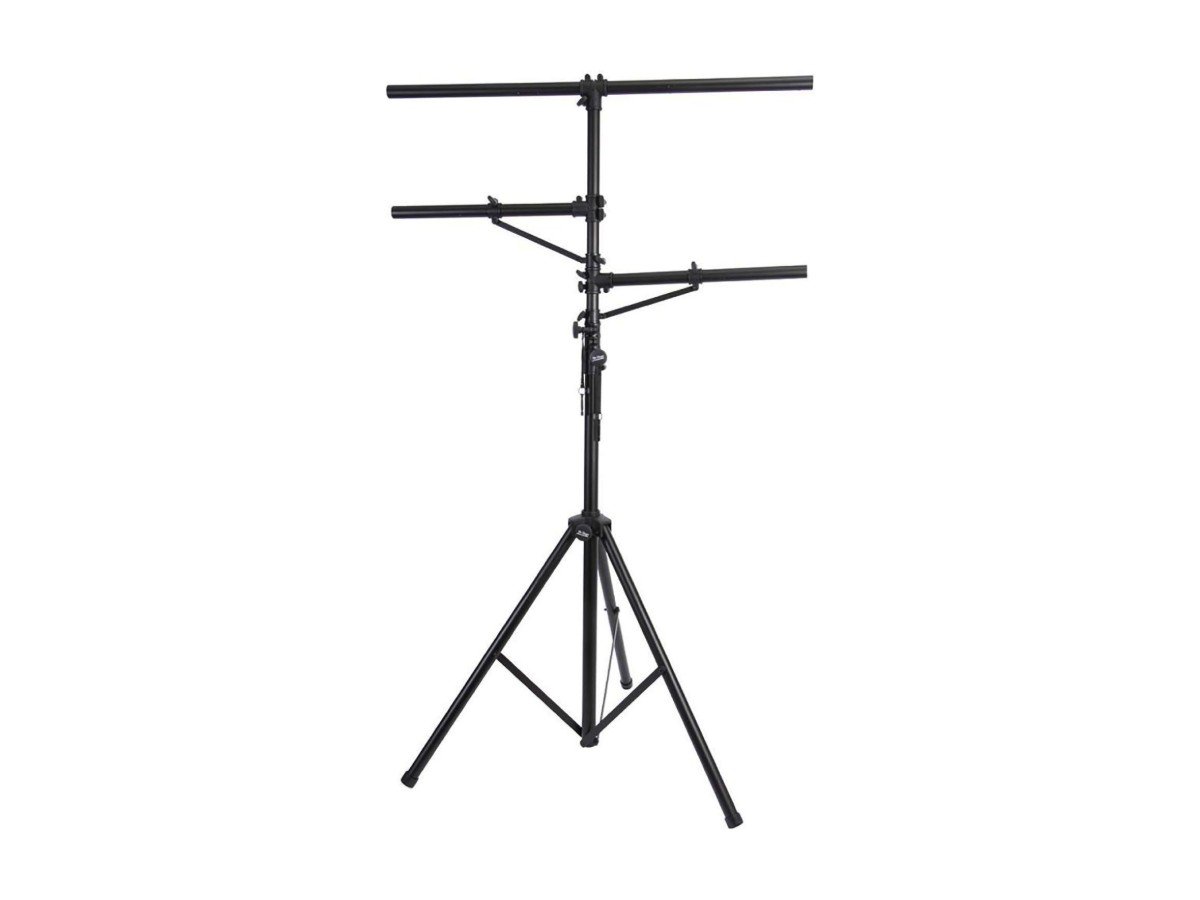
If there is nothing to clamp or perch the lights on, the On-Stage LS7720BLT lighting stand (around $40 on Amazon lately, though stand prices swing by seller) is a tripod with a T-bar and side bars that holds every light in this article at once. One stand behind the audience, slightly off center, covers a small stage by itself.
The House Rig: For the Venue That Wants It Permanent
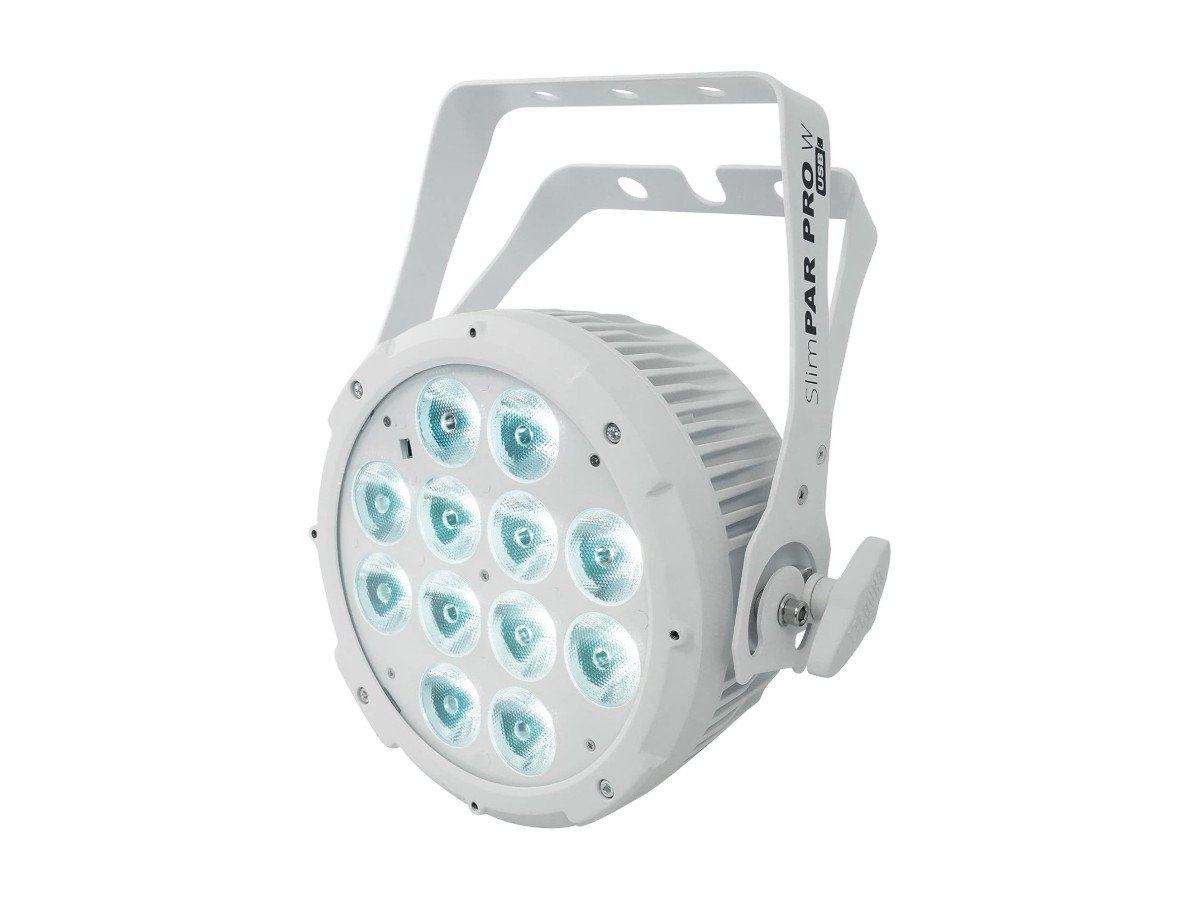
When the bar owner sees what the show does for a Tuesday and asks what a permanent setup costs, the answer is the Chauvet DJ SlimPAR PRO W (around $460). It is a variable white fixture, meaning it dims from warm to cool with real tungsten-style character, mounts once above the stage, and works every night for years. This is club grade gear. One is enough for a permanent single-spot look, two gives you the full crossed wash. Recommend it when someone else is paying.
Add Color Without Ruining Faces
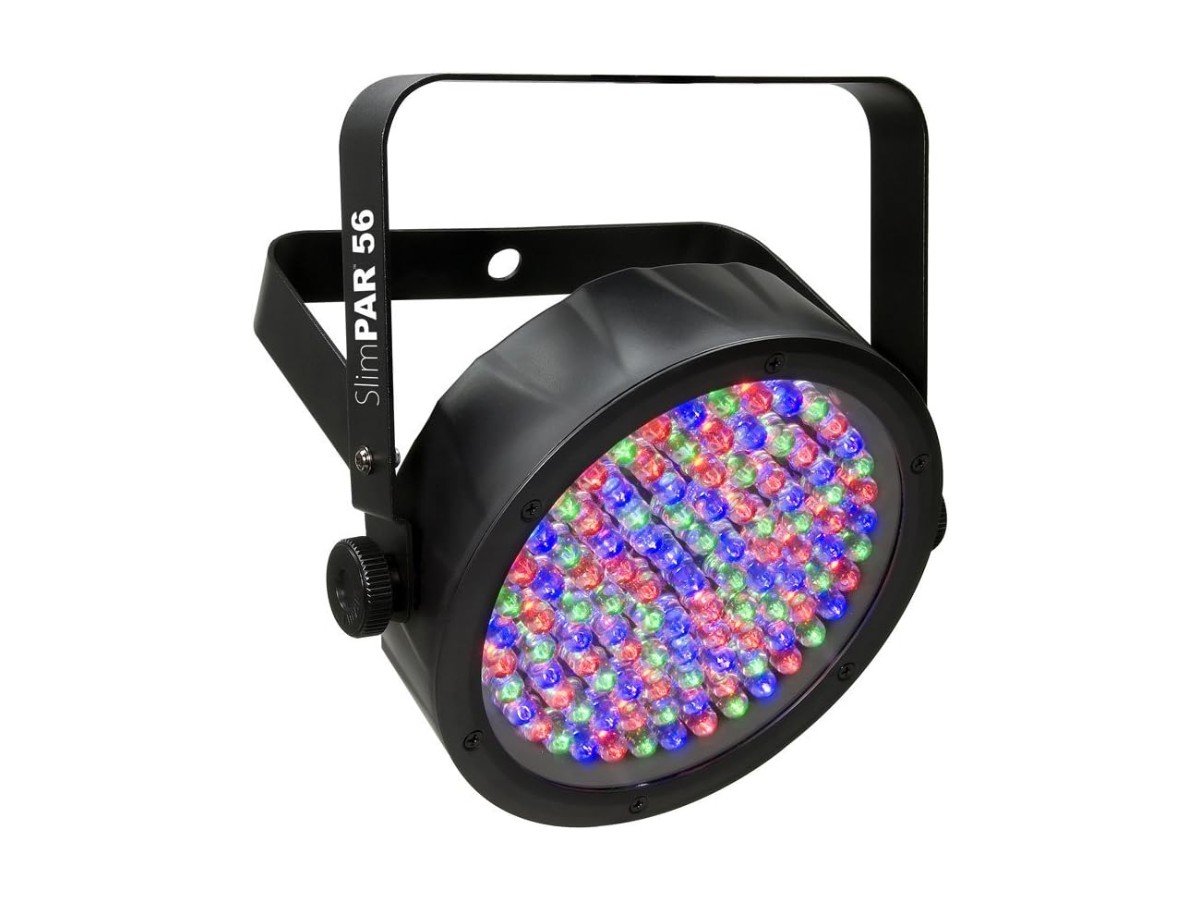
Color belongs behind the comic, never on them. A single Chauvet DJ SlimPAR 56 (around $100) on the floor behind the stool, washing the back wall or the curtain in deep red or blue, is the difference between a corner of a bar and a set. It also photographs beautifully, which matters when every comic on your lineup posts clips. Our guide on how to film stand-up comedy covers the camera side, and a lit backdrop does half that work for free.
The Builds at a Glance
| Build | What you buy | Best for | Total |
|---|---|---|---|
| The $93 Rig | Clamp light 2 pack, PAR38 3000K bulbs, two LED+ dimmers | Open mics, new shows, testing a room | ~$93 |
| The App Rig | Two EZLink Par Q6BT, lighting stand | Weekly shows, rooms with no outlets | ~$375 |
| The House Rig | One or two SlimPAR PRO W, mounted | Venues making it permanent | ~$460 and up |
Where Exactly to Put the Lights
- Height: above the comic’s eye line, aimed down. Seven to nine feet up is the sweet spot in most bars. Below eye level creates monster shadows, dead level creates squinting.
- Angle: 45 degrees off center on each side, beams crossing where the comic stands. Test it by standing at the mic yourself and looking out. You should see two lights, not one blinding one, and you should still be able to see the first row dimly.
- Brightness: set it with a person on stage, not an empty stage. Bright enough that their eyes read from the back row, dim enough that they are not sweating by minute three. On dimmable rigs that is usually 60 to 80 percent.
- The room: turn off or unscrew the bar’s own lights directly over the stage area. This one free step does more than any purchase on this page.
Common Lighting Mistakes That Flatten Shows
- Using the bar’s existing lights. Ceiling cans light the top of the head and the shoulders. The face, the only part that matters, stays in shadow.
- Buying RGB party pars for the face light. Pure RGB fixtures without amber make skin look gray or seasick. Save color fixtures for the backdrop and keep faces on warm white or amber-mix fixtures.
- Lighting the whole stage evenly. A tight pool of light around the mic stand gives the comic a home base and makes the room around it feel darker and fuller. Wash the whole stage and you get a conference.
- No dimmer. Hard on and hard off feels like closing time. Fading lights up and down is the cheapest stagecraft that exists.
- Blinding the comic. Crowd work is half the show at a bar gig. If the comic cannot see faces past the second row, aim the lights slightly less head-on, or drop them ten percent.
Frequently Asked Questions
Can I run a show with one light?
Yes. One warm light at 45 degrees beats two of anything aimed wrong. Start with one clamp light if the budget says so, add the second side when you can.
Do I need DMX?
No. DMX is for shows with a lighting operator. A comedy show has a host holding a beer. Plug-in dimmers and Bluetooth app control cover everything a bar show does.
Does better lighting actually help clips?
More than a better camera does. A phone in decent light beats an expensive camera in the dark, which is the entire thesis of our camera guide. Light the stage for the room and the clips come along for free.
What about the light, as in the signal to wrap up?
Any phone flashlight from the back of the room works and every comic on earth knows what it means. Do not overthink that one.
Light the Room This Week
Order the $93 rig, spend twenty minutes before your next show clamping and aiming, and watch the room treat your show differently. Pair it with the PA from our comedy sound guide and you own a complete portable venue for under $500. And if you are in Houston and need stage time to point all this gear at, our open mic directory lists every room in the city.