
As an Amazon Associate I earn from qualifying purchases. This post contains affiliate links (paid links). If you buy through them, Comedy Houston earns a small commission at no extra cost to you. It helps keep our show listings free.
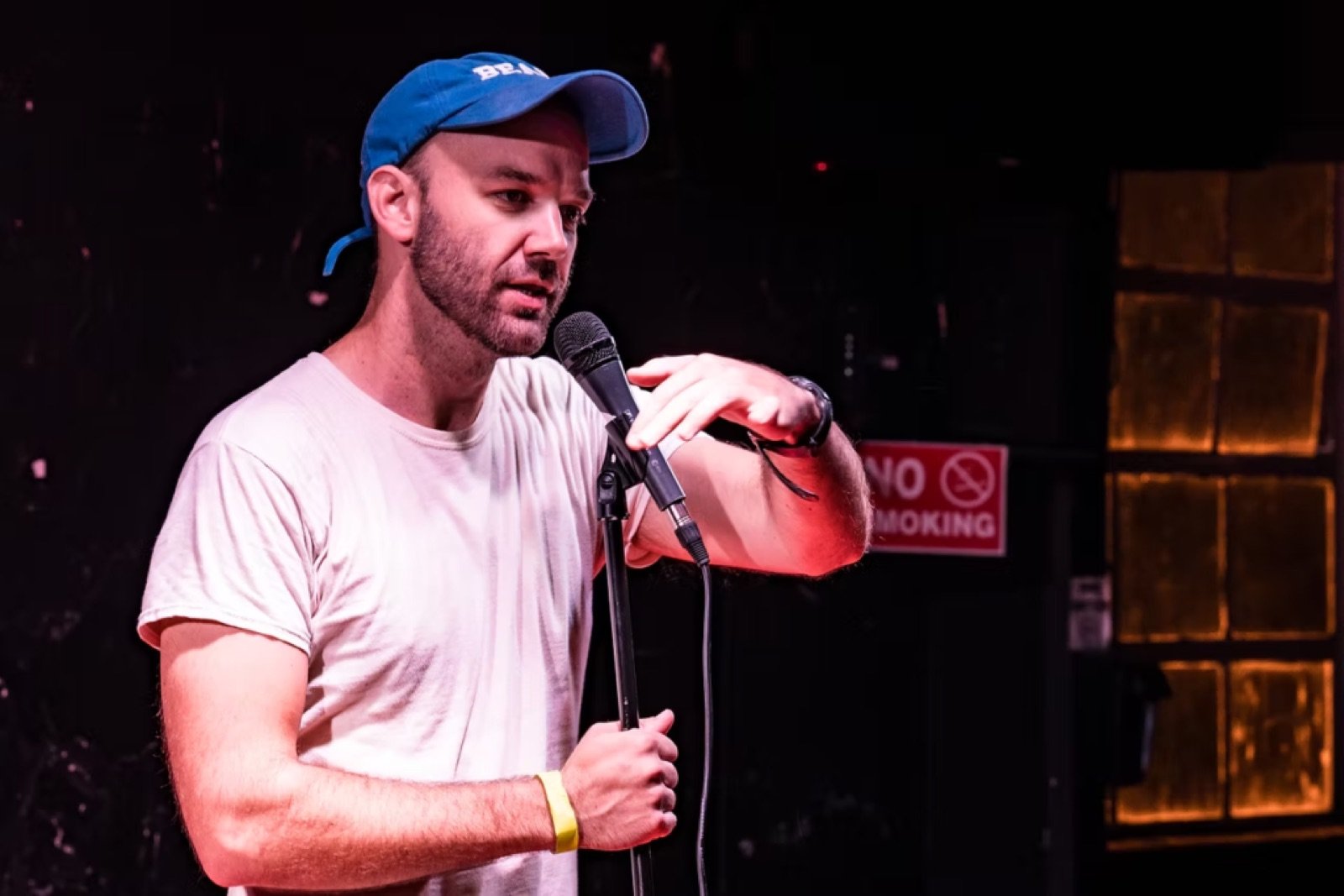
The short answer: on Sony, buy the Tamron 35-150mm f/2-2.8 and never change lenses at a show again. On Canon, the Canon RF 24-70mm f/2.8L IS USM is the one-lens answer. If you are on a budget, a Sony FE 50mm f/1.8 or Canon RF 50mm f/1.8 for about $200 will out-shoot any kit lens in a dark club. The full breakdown by camera role and venue size is below.
Quick Picks: Best Lenses for Stand-Up Comedy (September 2026)
| Best for | Lens | Why | Price |
|---|---|---|---|
| One lens, Sony | Tamron 35-150mm f/2-2.8 | Wide to close-up from one spot, f/2 at the wide end | Check price on Amazon |
| One lens, Canon | Canon RF 24-70mm f/2.8L IS USM | Stabilized f/2.8 workhorse | Check price on Amazon |
| Budget starter | Sony FE 50mm f/1.8 / Canon RF 50mm f/1.8 | Best low-light per dollar | Sony / Canon |
| Wide safety shot | Tamron 20-40mm f/2.8 | Whole stage, small and cheap for f/2.8 | Check price on Amazon |
| Close-up camera | Tamron 70-180mm f/2.8 G2 / Canon RF 70-200mm f/2.8L | Tight punchline shots from the back of the room | Sony / Canon |
| APS-C prime | Sigma 56mm f/1.4 DC DN | Portrait-length low-light prime for crop bodies | Check price on Amazon |
Prices checked on Amazon September 3, 2026. They change often, so the links always show the current price. Paid links.
In This Guide:
- Quick Picks (the short answer)
- Why Your Lens Choice Makes or Breaks Comedy Footage
- Focal Length Crash Course: What the Numbers Actually Mean
- Aperture: Why f/2.8 Is Your Minimum
- Prime vs Zoom: The Comedy Verdict
- Which Lens for Which Camera Role
- Venue Size Guide: Matching Your Lens to Your Room
- The Best Lenses for Recording Stand-Up Comedy
- The Two-Lens and Three-Lens Combos
- Canon vs Sony vs Third-Party: What Actually Matters
- Common Lens Mistakes Comedians Make
- Conclusion
- FAQ
Why Your Lens Choice Makes or Breaks Comedy Footage
Here’s something most comedians don’t realize until they’ve already spent money on the wrong glass: your lens matters more than your camera.
A $1,400 camera with a great lens will produce better comedy footage than a $3,500 camera with a mediocre lens. The camera captures what the lens gives it and if the lens can’t handle low light, can’t focus fast enough, or frames the shot wrong from where you’re standing in the back of the room, then it doesn’t matter how many megapixels you paid for.
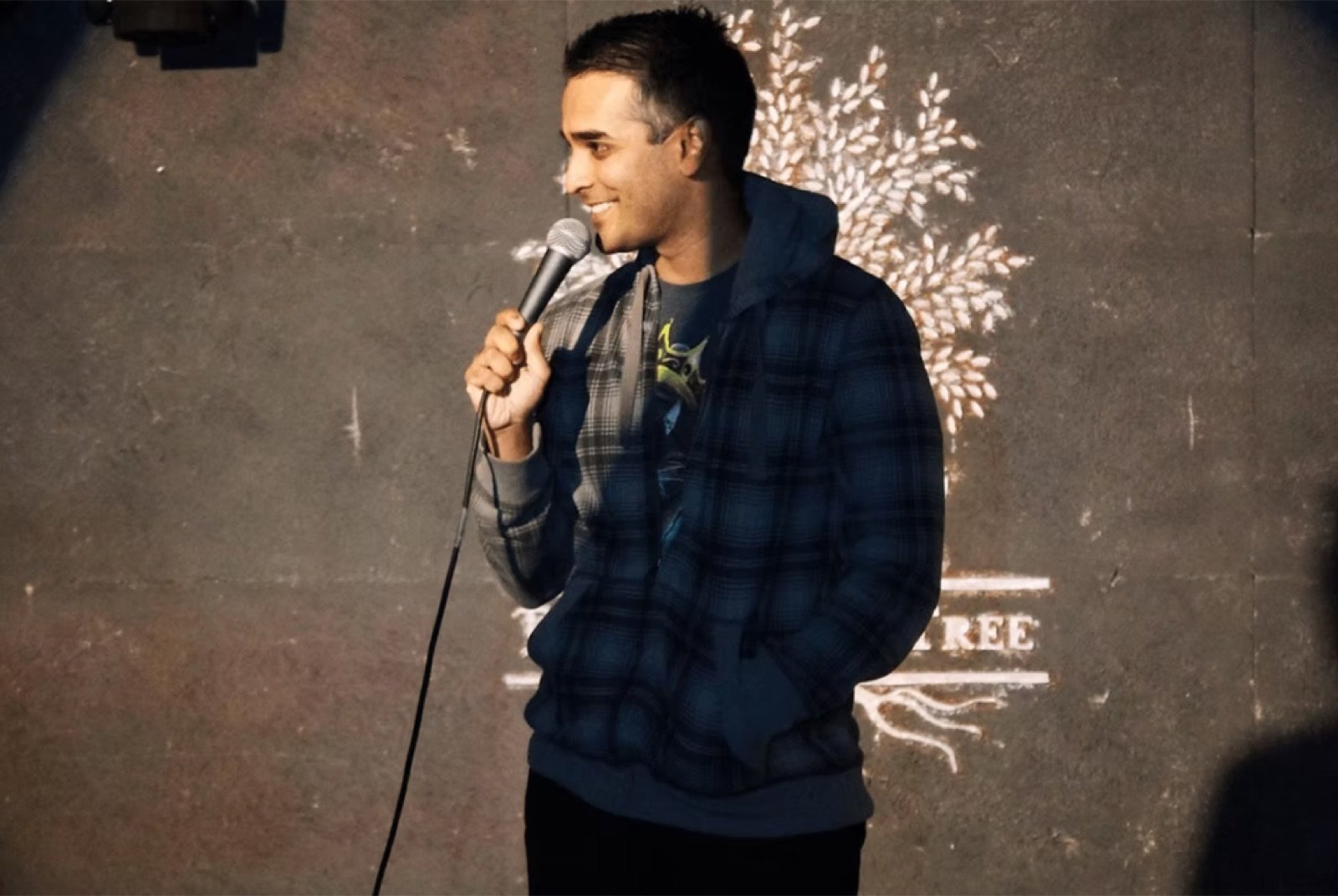
I’ve filmed over 1,000 stand-up comedy sets across bars, clubs, theaters, and outdoor shows. I’ve used cheap kit lenses, expensive primes, heavy zooms, and everything in between. What I’ve learned is that comedy clubs create one of the most challenging filming environments for a lens: low light, distance from the subject, high contrast between spotlight and dark room, and a performer who moves in unpredictable ways. You also need to capture audience reactions when you don’t know which audience member will be filmed.
This guide is purely about lenses. If you need help choosing a camera body, read our complete camera buying guide. If you already have gear and want the step-by-step process for actually filming a show, read our how to film stand-up comedy guide.
This post is for the person who has a camera (or is buying one) and needs to know exactly which lens to put on it for comedy. Let’s get into it.
Last updated: September 2026.
Focal Length Crash Course: What the Numbers Actually Mean
If you’ve never bought a lens before, the numbers can be confusing. What does “35-150mm” actually mean? Why would you want 70mm instead of 24mm? Here’s the simple version.
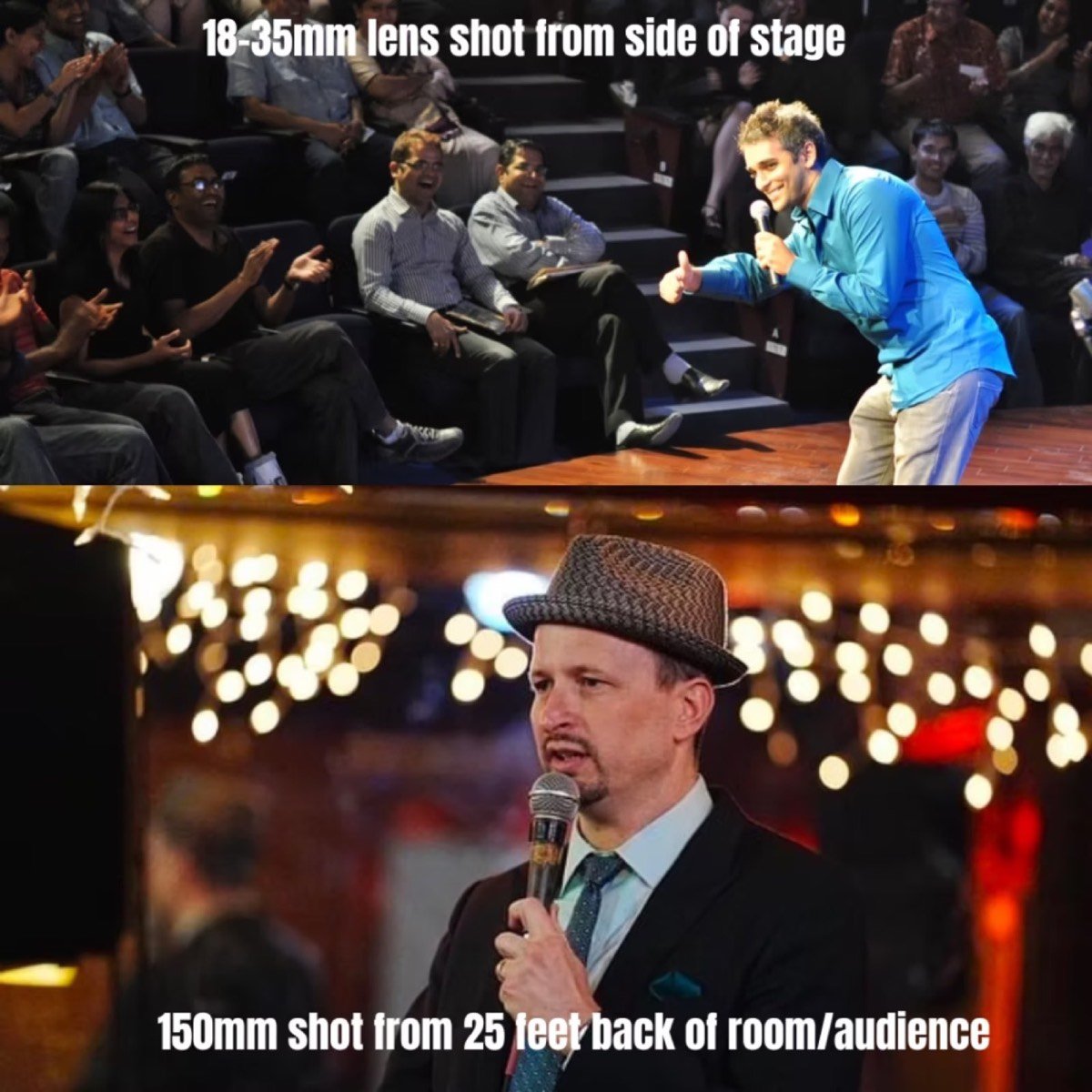
Focal length (the mm number) controls how “zoomed in” the image looks. Lower numbers = wider view. Higher numbers = more zoomed in.
Here’s what different focal lengths actually look like when you’re standing at the back of a typical comedy club, about 30-40 feet from the stage:
| Focal Length | What You See | Best Use in Comedy |
|---|---|---|
| 16-24mm | Entire room visible: stage, walls, ceiling, audience. Performer is small in frame. | Establishing shots, audience reaction cam, behind-the-comic wide shots |
| 24-35mm | Full stage plus some room context. Performer is visible but not filling the frame. | Wide safety shot from the back of a small venue |
| 35-50mm | Stage fills most of the frame. Performer roughly waist-up from the back of the room. | Medium shot (your bread-and-butter framing for social clips) |
| 50-85mm | Performer fills the frame chest-up. Background falls out of focus nicely. | Close-up main shot: this is what makes your clips look professional |
| 85-150mm | Tight on face and upper body. Background completely blurred. | Tight close-up for punchline reactions, headshot-style framing |
| 150-200mm | Very tight: face only. Almost too close for full sets. | Occasional cutaway, not practical as your only angle |
The takeaway: For stand-up comedy, the sweet spot is somewhere between 35mm and 150mm. That range covers everything from a medium stage shot to a tight facial close-up. You almost never need wider than 24mm (unless you’re shooting the audience) and you rarely need longer than 200mm (unless you’re filming from the very back of a theater).
Important note about crop sensors: If your camera has an APS-C (crop) sensor instead of full-frame, multiply the focal length by 1.5 (Sony) or 1.6 (Canon) to get the equivalent field of view. So a 50mm lens on an APS-C Sony camera gives you the same framing as a 75mm lens on full-frame. This matters when choosing lenses because that “wide” 35mm zoom suddenly isn’t that wide on a crop body.
Aperture: Why f/2.8 Is Your Minimum
The second number on a lens, the f/number, controls how much light the lens lets in. Lower f-numbers = more light = better for dark comedy clubs.

This is not optional for comedy. Most comedy clubs are dark rooms with a single spotlight on the performer. Your lens needs to gather enough light to produce a clean, non-grainy image in these conditions.
Here’s the practical reality at different apertures in a typical comedy club:
| Max Aperture | Low-Light Performance | What This Means for Comedy | Typical Price Range |
|---|---|---|---|
| f/1.4 – f/1.8 | Excellent | Can shoot at lower ISO, cleaner footage, beautiful background blur. But very shallow depth of field means the performer can drift out of focus. | $200-$1,400 (primes only) |
| f/2.0 – f/2.8 | Very Good | The sweet spot for comedy. Enough light for clubs, enough depth of field to keep a moving comedian in focus. This is where most pros shoot. | $800-$2,800 (zooms) |
| f/3.5 – f/4.0 | Marginal | Workable if the stage is well-lit, but you’ll need to push ISO higher, which means grainier footage. Not ideal for most clubs. | $300-$1,200 |
| f/4.5 – f/5.6 | Poor | Your camera will crank ISO to 6400-12800+ to compensate. Footage will be visibly noisy. Avoid for comedy clubs unless you have no other option. | $100-$500 (kit lenses) |
The rule of thumb: For comedy clubs, never go slower than f/2.8. For the best results, f/2.0 or faster is ideal. This single specification eliminates most kit lenses and budget zooms from consideration, which is why your camera’s included lens usually produces terrible comedy footage.
But don’t go too wide open either. Shooting at f/1.4 in a dark club sounds great for light, but the depth of field becomes so shallow that a comedian pacing back and forth on stage will drift in and out of focus constantly. I typically shoot between f/2.0 and f/4.0 depending on the venue lighting, fast enough for the light, stopped down enough to keep focus reliable. For more on managing these settings in the moment, see our filming process guide.
Prime vs Zoom: The Comedy Verdict
A prime lens has a fixed focal length (like 50mm or 85mm). You can’t zoom in or out. You move your feet or crop in post. A zoom lens covers a range (like 24-70mm or 70-200mm) and lets you adjust framing without moving.
For stand-up comedy, zoom lenses are almost always the better choice. Here’s why:
You can’t move during a live show. Once the comedian starts their set, you cannot get up, walk across the room, and reposition to get a tighter shot. You’re stuck wherever you set up. A zoom lens lets you adjust framing from your fixed position.
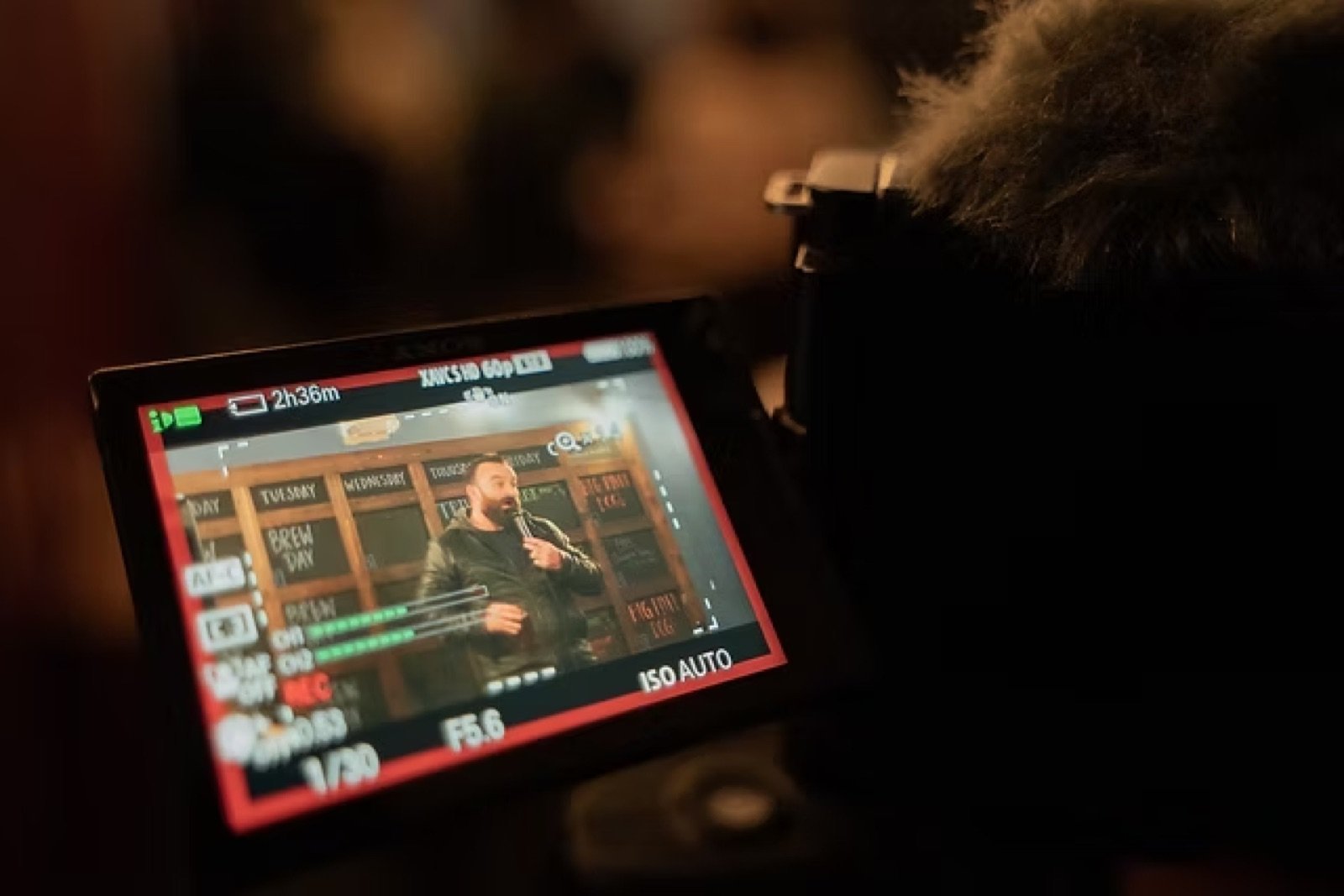
Every venue is different. Monday’s open mic might be in a tiny bar where the stage is 15 feet away. Tuesday’s showcase is in a theater where you’re 50 feet back. A 50mm prime that frames perfectly at one venue will be completely wrong at another. A 35-150mm zoom handles both.
You need flexibility for vertical crops. When you shoot horizontal 4K footage and crop it to vertical 9:16 for Instagram, you’re cutting off the sides. If your prime lens framed the comedian edge-to-edge, you have zero room to crop. A zoom lets you frame wider than needed and crop freely in post.
When primes make sense: There are two scenarios where a prime lens works well for comedy. First, if you have a dedicated second or third camera that never moves, a locked-off 85mm f/1.8 on a tripod makes an excellent close-up camera because the wide aperture gives beautiful shallow depth of field and the fixed focal length means you never accidentally bump the zoom ring. Second, if you’re on a very tight budget, a $200 prime like the Sony 50mm f/1.8 or Canon RF 50mm f/1.8 gives you dramatically better low-light performance than any zoom under $800.
Which Lens for Which Camera Role
If you’re filming with multiple cameras (which you should be for anything beyond social media clips), each camera has a specific job and needs a specific lens for it.
Camera A: Wide Safety Shot
What it does: Locked off at the back of the room, captures the full stage plus some audience context. Runs the entire set untouched. This is your insurance, if everything else fails, you have this.
What it needs: A lens in the 24-50mm range (full-frame) that can shoot at f/2.8 or faster. Autofocus doesn’t matter as much here since the performer stays roughly the same distance from camera. You’re framing wide and letting it roll.
Best lenses for this role: 24-70mm f/2.8 zoomed to ~35-40mm, or a 35mm f/1.8 prime.
Camera B: Close-Up Main Shot
What it does: This is your hero camera, the footage that makes your edit look professional. Framed tight on the comedian’s face and upper body, slightly off-center from the stage.
What it needs: A lens in the 70-150mm range (full-frame) with fast, reliable autofocus and f/2.8 or faster. This camera lives or dies on autofocus performance because the comedian is moving and the depth of field is shallower at longer focal lengths. Face-tracking autofocus is critical here.
Best lenses for this role: 70-200mm f/2.8, or the long end of a 35-150mm f/2-2.8. An 85mm f/1.8 prime works if the comedian doesn’t move too much.
Camera C: Audience / B-Roll
What it does: Captures audience reactions, laughs, the room atmosphere. Usually positioned to the side of the stage or behind the comedian pointing at the crowd.
What it needs: A wide lens in the 16-35mm range with f/2.8 or faster. The audience is not lit, they’re in a dark room, so you need every bit of light the lens can gather. Autofocus is less important since you’re focused at a general distance and the depth of field at wide angles is forgiving.
Best lenses for this role: 16-35mm f/2.8, 20-40mm f/2.8, or a 24mm f/1.8 prime.
Don’t have three cameras? Most of us don’t. If you have one camera, put a versatile zoom on it (35-150mm or 24-70mm). If you have two, put a wide zoom on the safety cam and a longer zoom or prime on the close-up cam. For more on multi-camera setup strategy, see our camera placement guide.
Venue Size Guide: Matching Your Lens to Your Room
The size of the room you’re filming in changes what focal length you need. Here’s a practical guide based on venues I’ve actually filmed in.
Small Bar / Coffee Shop (Camera 15-20 feet from stage)
You’re close to the performer. Longer lenses will be too tight. You’ll get a shot of their chin and nothing else.
Wide safety: 24-35mm
Close-up: 50-85mm
One-lens solution: 24-70mm f/2.8 or 28-75mm f/2.8
Mid-Size Comedy Club (Camera 25-40 feet from stage)
This is the most common scenario. The classic comedy club layout with rows of tables between you and the stage.
Wide safety: 35-50mm
Close-up: 85-135mm
One-lens solution: 35-150mm f/2-2.8 (this is literally why this lens was made for comedy)
Large Theater / Performing Arts Center (Camera 50-80+ feet from stage)
You’re far back. You need real telephoto reach to get any kind of close-up.
Wide safety: 50-70mm
Close-up: 135-200mm
One-lens solution: 70-200mm f/2.8
Outdoor Show (Variable distance, uncontrolled lighting)
Outdoor shows are a different animal. Lighting changes constantly and the “stage” might just be a corner of a patio.
Wide safety: 24-35mm
Close-up: 70-135mm
One-lens solution: 24-70mm f/2.8 or 35-150mm f/2-2.8
The Best Lenses for Recording Stand-Up Comedy
Here are my specific recommendations, organized by role and budget. Every lens listed here I’ve either used personally or tested extensively at live shows. All recommendations are for current mirrorless camera systems (Sony E-mount or Canon RF-mount) since that’s what you should be shooting on in 2026.
For the cameras to pair these with, see our camera buying guide.
The One-Lens Solution: If You Can Only Buy One
1. Tamron 35-150mm f/2-2.8 Di III VXD: ~$1,600 (Sony E) / ~$2,000 (Nikon Z)
This is the single best lens for filming stand-up comedy. Period. Full stop. If you could only own one lens and you film comedy, this is it.
The 35-150mm range covers everything you need from a single position: zoom out to 35mm for a wide stage shot, zoom in to 150mm for a tight close-up of the punchline reaction. The f/2-2.8 aperture handles dark comedy clubs without breaking a sweat. At 35mm you’re at f/2.0, which is faster than most zoom lenses can dream of.
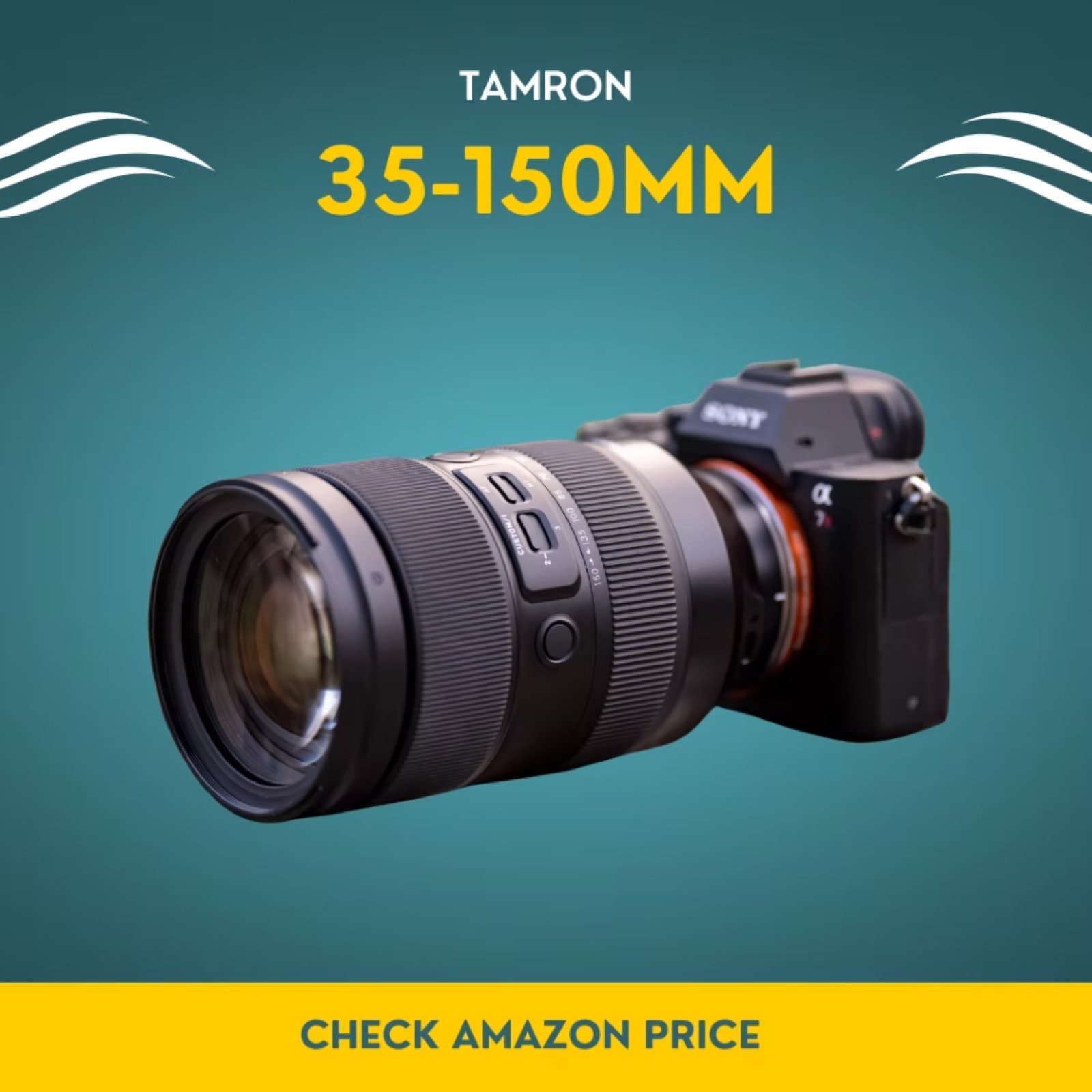
Why it’s perfect for comedy: You set up one camera on one tripod and you can frame a wide shot during the setup of a joke, then zoom in for the punchline, all without changing position. It replaces both a 24-70mm and a 70-200mm in a single lens.
The downsides: It’s heavy (about 2.6 pounds), it’s not cheap, and it’s not available for Canon RF mount. It’s also a variable aperture lens, at 150mm you’re at f/2.8, not f/2.0. And it’s not parfocal, meaning focus can shift slightly as you zoom, so you’ll want continuous autofocus enabled.
Available for: Sony E-mount, Nikon Z-mount. Not available for Canon RF.
Canon alternative: There isn’t a direct equivalent. Canon shooters should look at the two-lens combo below.
2. Sony FE 70-200mm f/2.8 GM OSS II: ~$3,100
If you’re filming from the back of a mid-to-large venue and your priority is getting the tightest, sharpest close-up possible, this is the lens. The 70-200mm range at f/2.8 constant aperture is the workhorse of professional event videography for a reason.
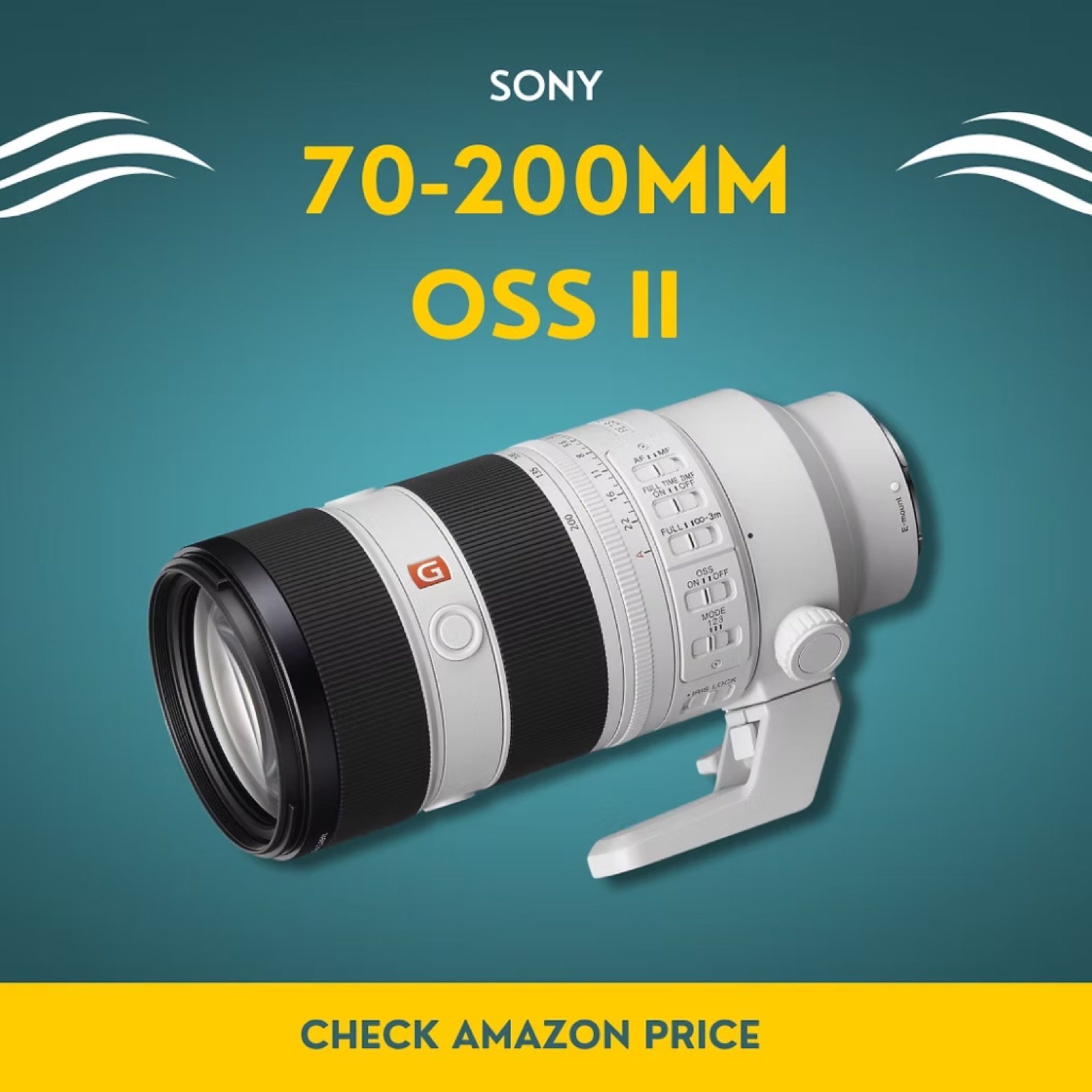
Most of the professional comedy specials you see on YouTube and Netflix were filmed with a 70-200mm f/2.8 on the close-up camera. It’s the lens that gives you that beautiful shallow depth of field with the comedian sharp and the background melting into creamy blur.
Why it works for comedy: The telephoto compression makes the comedian look great on camera. The f/2.8 constant aperture means your exposure doesn’t shift as you zoom. Sony’s latest version (the GM II) is lighter than its predecessor and has outstanding autofocus.
The downsides: 70mm is too tight for a wide shot in most venues, so you can’t use this as your only lens. At $2,800, it’s expensive. It’s also large enough that you’ll need a sturdy tripod.
Canon equivalent: Canon RF 70-200mm f/2.8L IS USM (~$2,700). Built-in optical stabilization, excellent autofocus, same professional-grade performance. The Canon version has IS which works even without IBIS in the camera body, a small advantage if you’re on a cheaper Canon body.
3. Sigma 24-70mm f/2.8 DG DN Art: ~$1,200 (Sony E or Canon RF)
If the Tamron is out of your budget or you shoot Canon, this is the best all-around zoom for the money. It covers the 24-70mm range at a constant f/2.8, and the Sigma Art line delivers optical quality that rivals lenses costing twice as much.
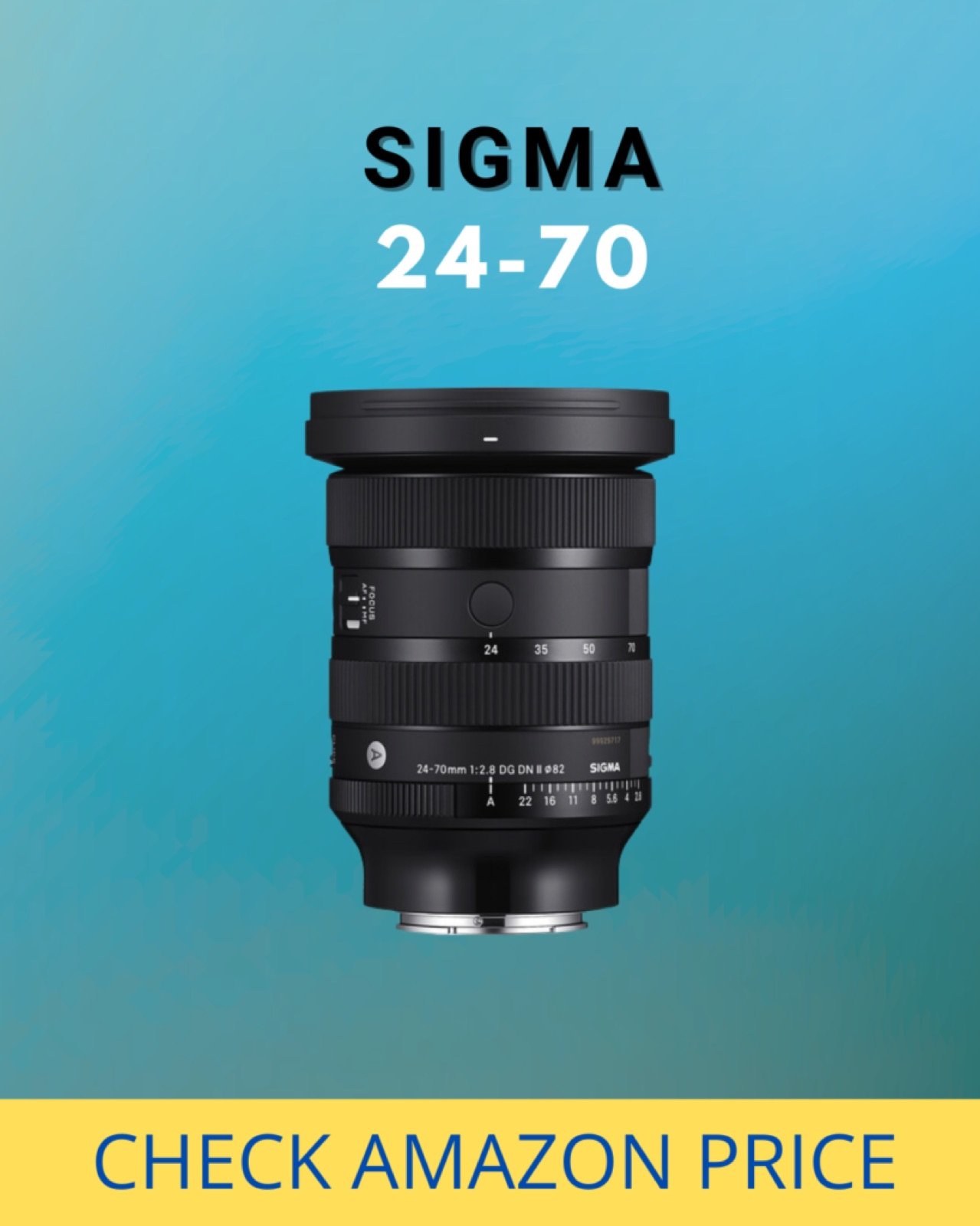
Why it works for comedy: At 70mm from the back of a small-to-mid venue, you get a solid medium shot of the comedian. At 24mm you can grab a wide establishing shot. The constant f/2.8 handles club lighting well. At roughly $1,100, it’s half the price of the Sony or Canon equivalents.
The downsides: 70mm isn’t long enough for a tight close-up from the back of a larger venue. You’ll want a second lens (or a second camera with a longer lens) for that.
Available for: Sony E-mount and L-mount. Also available for Canon RF via the Sigma MC-21 adapter, though native RF mount versions are now available for some Sigma lenses, check current availability.
Wide / Safety Shot Lenses
These go on your locked-off safety camera capturing the full stage.
4. Tamron 20-40mm f/2.8 Di III VXD: ~$700 (Sony E)
Compact, lightweight, and fast. This is an ideal audience reaction and wide shot lens. At f/2.8 it gathers enough light to actually see faces in a dark crowd, unlike slower kit lenses that render the audience as a black void.
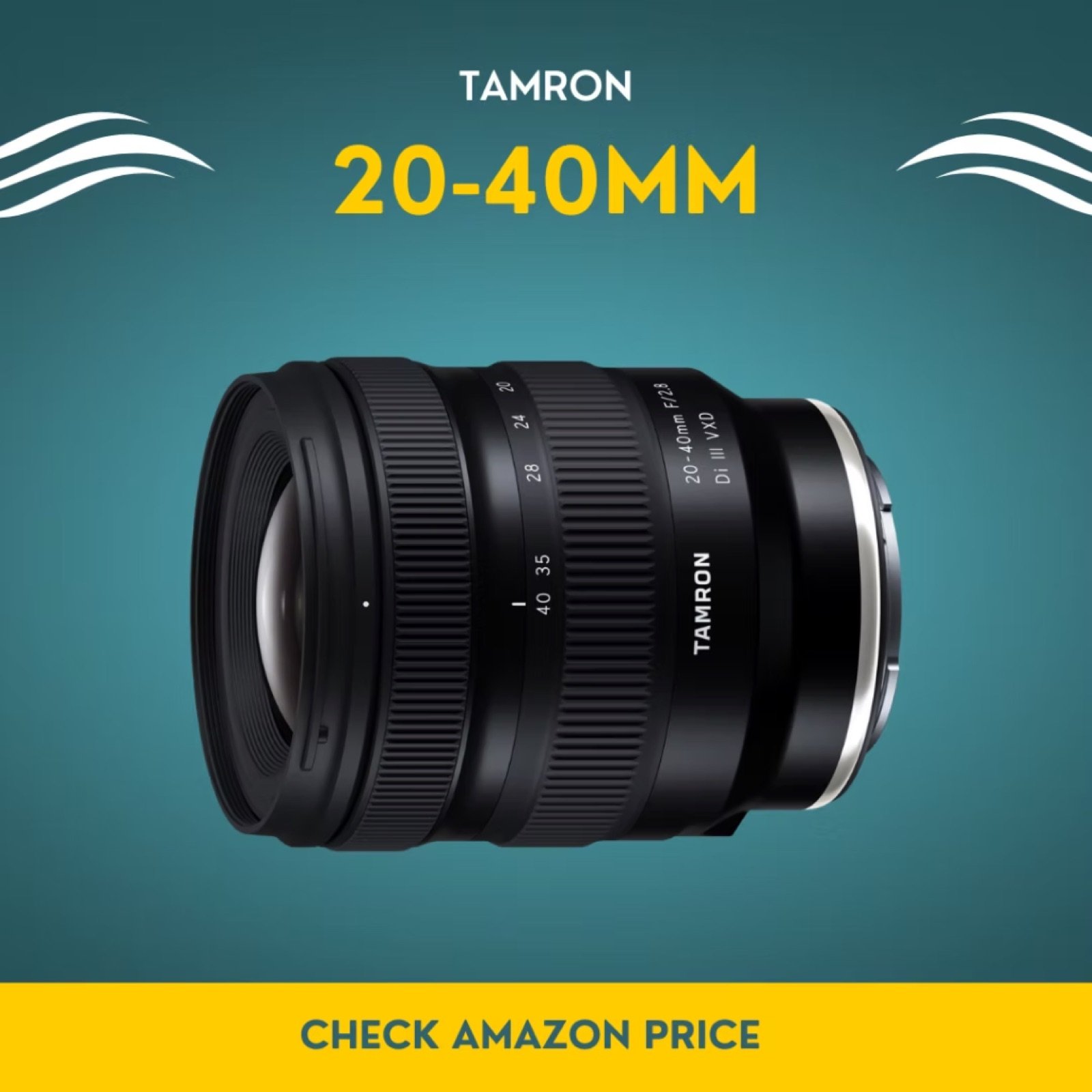
Comedy use: Mount this on a second camera pointed at the audience for reaction shots, or use it as your wide safety shot in a small venue. The 20-40mm range is perfect for capturing the atmosphere of a packed room. I actually use this to get crowd shots that I can zoom in on later for grainy but usable reaction cutaways on vertical Instagram edits.
5. Sony FE 16-35mm f/2.8 GM II: ~$2,600 / Canon RF 15-35mm f/2.8L IS USM: ~$2,400
The premium option for ultra-wide shots. These are the lenses you see on the audience-facing cameras during Netflix specials. They capture the entire room, the energy, the packed house.
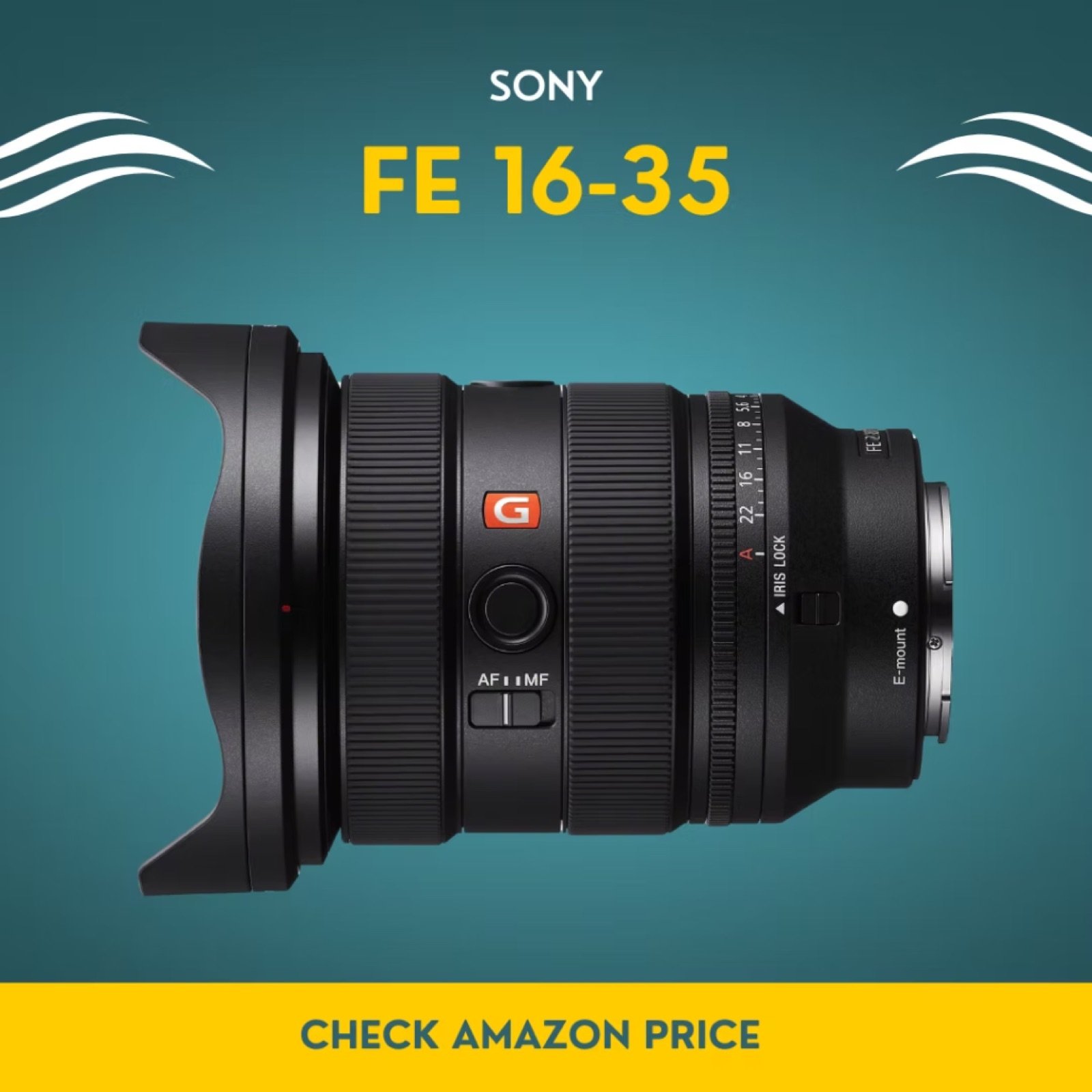
Comedy use: If you’re producing your own special or recording a significant showcase, this lens behind or beside the comedian captures the “look at this crowd” shot that sells tickets. For weekly open mic clips, it’s overkill, the Tamron 20-40mm does the job at a third of the price.
Close-Up / Main Shot Lenses
These go on your hero camera for the tight performance shot.
6. Tamron 70-180mm f/2.8 Di III VXD G2: ~$1,000 (Sony E)
This is the budget-conscious alternative to Sony’s $2,800 70-200mm GM. You lose 20mm of reach at the long end (180 vs 200) and the build quality isn’t quite as premium, but the optical quality is remarkably close.
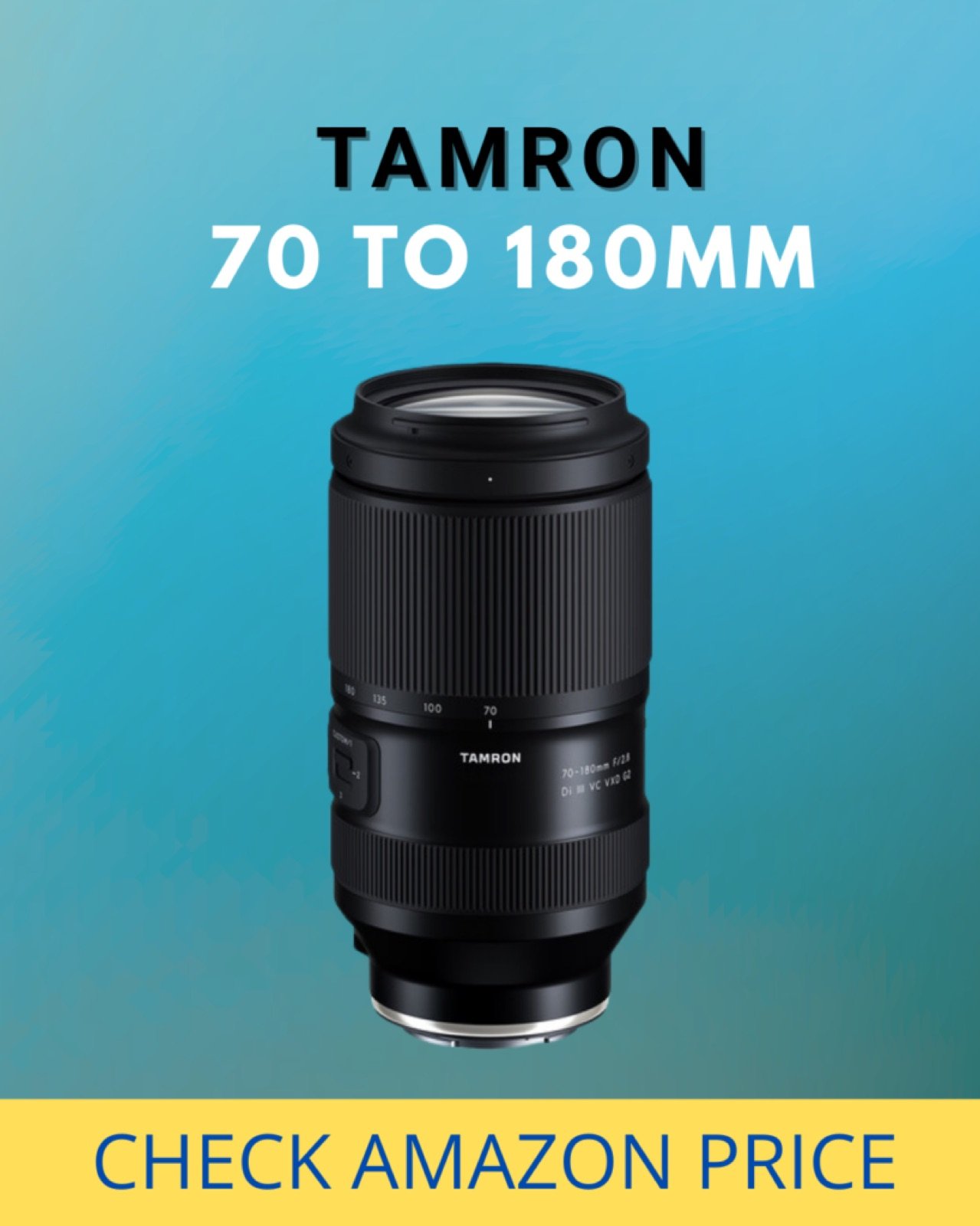
Comedy use: This is the close-up lens for comedians who can’t justify the GM price. Pair it with a 24-70mm or 35mm prime on a second camera and you have a professional two-camera setup for under $2,000 in glass.
7. Sony FE 85mm f/1.4: ~$1,400 / Canon RF 85mm f/2 Macro IS STM: ~$640
If you want the absolute best background blur on a budget, an 85mm prime is hard to beat. At f/1.4 (Sony) or f/2.0 (Canon), you get that beautiful cinematic separation between the comedian and the dark background. The comedian pops out of the frame in a way that zoom lenses simply can’t replicate at the same aperture.
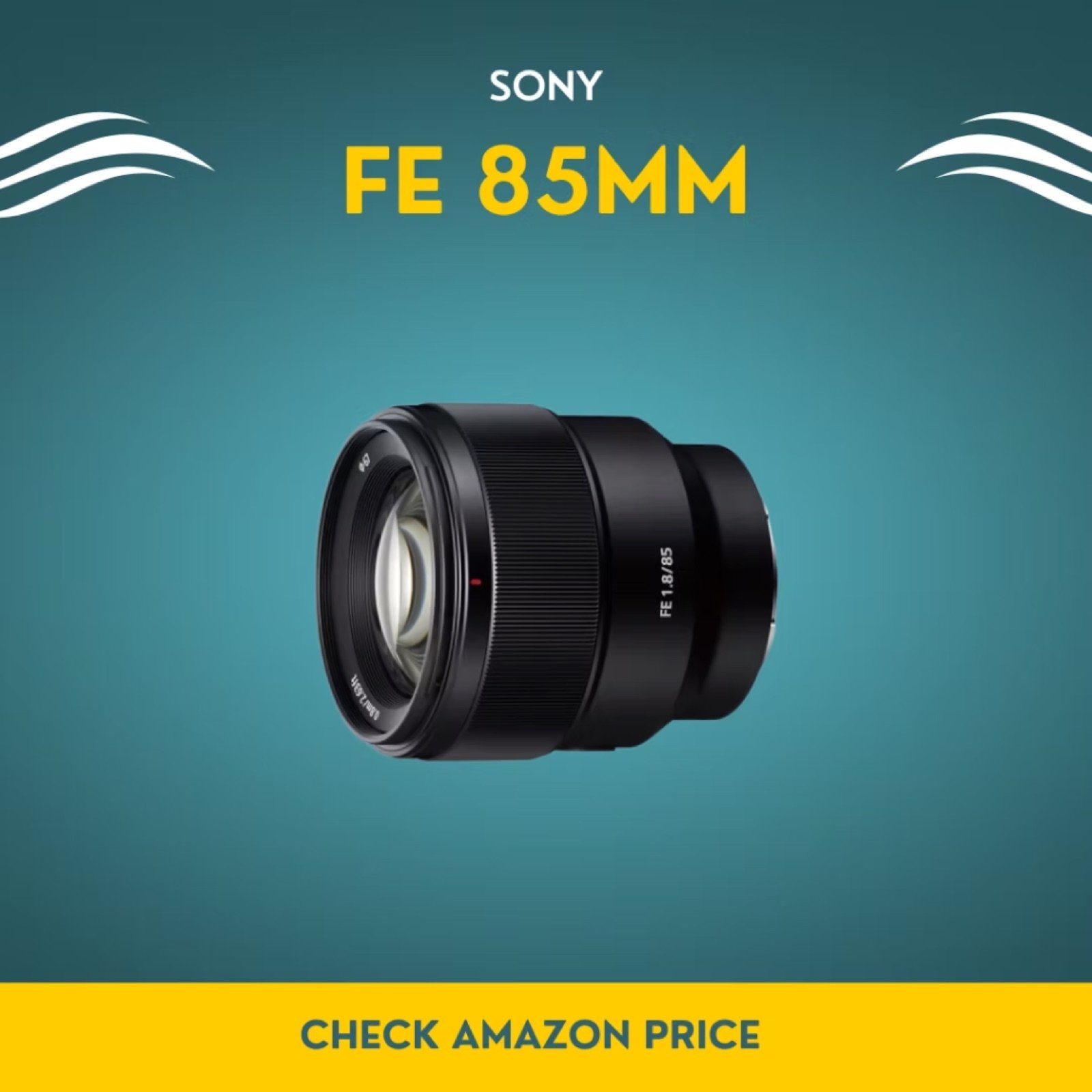
Comedy use: Lock this on a tripod as your dedicated close-up camera. Frame a chest-to-head shot and let continuous face-tracking autofocus do the work. Since it’s a prime, you can’t zoom to adjust. You need to get the tripod position right during setup.
The downsides: Fixed focal length means zero flexibility. If the comedian moves closer or further from where you expected, your framing is off and you can’t fix it during the set. At f/1.8 the depth of field is razor thin, a comedian pacing side to side will drift in and out of focus. Stop down to f/2.0-2.5 for a more forgiving focus zone.
Budget Primes That Punch Above Their Weight
If you’re just starting out and can’t afford a $1,200+ zoom, these cheap primes deliver surprisingly good comedy footage.
8. Sony FE 50mm f/1.8: ~$200 / Canon RF 50mm f/1.8 STM: ~$200
The “nifty fifty” is the most-recommended starter lens in all of photography for a reason. At $200, it’s the cheapest way to get f/1.8 performance in a dark comedy club. On a full-frame body from the back of a medium-sized room, 50mm gives you a solid medium shot of the comedian. On an APS-C body, it becomes a ~75mm equivalent, which is even better for comedy. You get a tighter framing without spending more money.
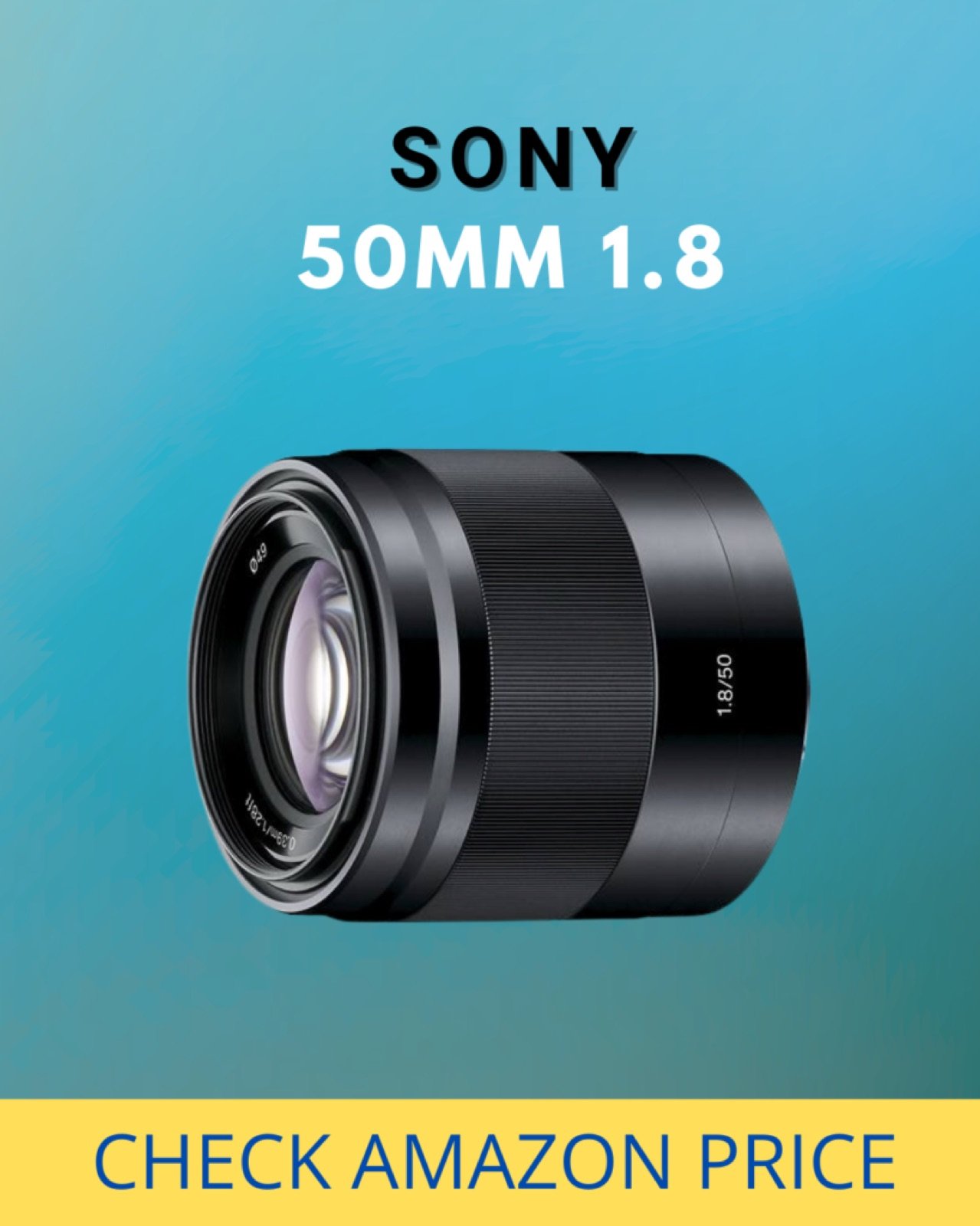
Comedy use: Buy this as your first “real” lens upgrade from the kit lens. The difference in low-light footage quality between the 18-55mm f/3.5-5.6 kit lens and a 50mm f/1.8 is night and day. Use it as your only lens for weekly open mic recordings while you save for a proper zoom. But be aware of the limitations below.
The downside with cheaper primes: The autofocus on the Sony 50mm f/1.8 is noticeably slower and louder than lenses costing more. It hunts in low light occasionally. The Canon RF 50mm f/1.8 is a bit better in AF but still not as confident as the pricier options. For a set-it-and-forget-it lockoff camera, this is fine. For a camera you’re actively monitoring, it can be frustrating.
9. Sigma 56mm f/1.4 DC DN (APS-C): ~$450
If you’re on an APS-C camera like the Sony a6700 or ZV-E10 II, this lens gives you the equivalent of an 84mm on full-frame, which is almost perfect for a comedy close-up. At f/1.4 it’s incredibly fast, and the Sigma Art-level optics deliver sharp, contrasty images even wide open.
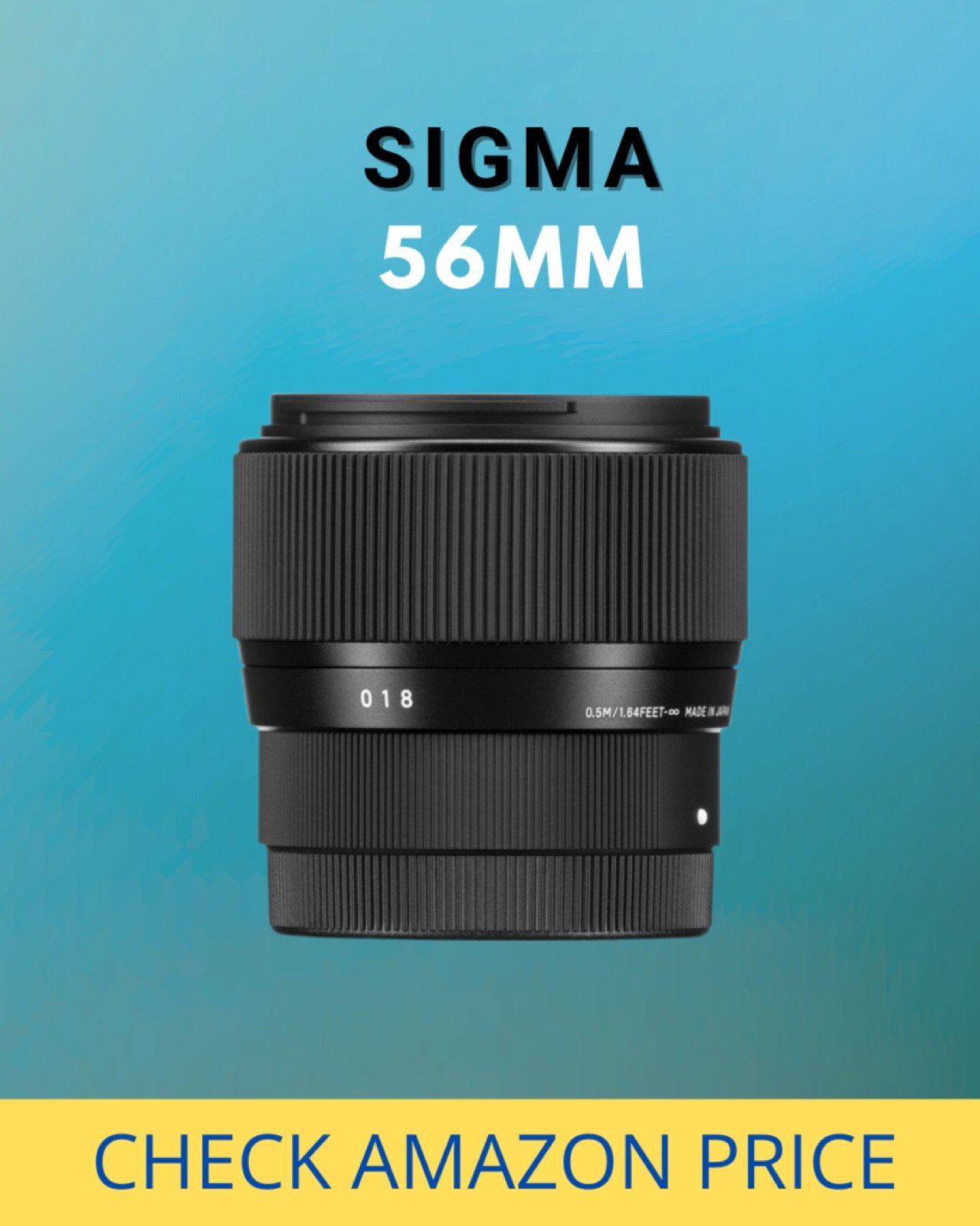
Comedy use: This is arguably the best close-up lens for APS-C comedy shooters, and at $450 it’s a steal. The f/1.4 aperture gives you a full two stops more light than an f/2.8 zoom, meaning cleaner footage in darker venues. Stop it down to f/2.0 for a more forgiving depth of field while still being faster than any zoom lens.
The Two-Lens and Three-Lens Combos
Rather than listing lenses individually, here’s what I’d actually bring to a show at each budget level.
Budget Combo (~$400-$600 total)
| Camera | Lens | Role | Cost |
|---|---|---|---|
| Camera A | Sony FE 50mm f/1.8 or Canon RF 50mm f/1.8 | Medium shot, locked off | ~$200 |
| Phone | Built-in wide | Wide safety + backup audio | $0 |
Total: ~$200 in glass. This is the starter setup. The 50mm prime handles the main shot, your phone captures a wide angle backup. You won’t win any cinematography awards, but the footage will be dramatically better than phone-only recording.
Mid-Range Combo (~$1,500-$2,500 total)
| Camera | Lens | Role | Cost |
|---|---|---|---|
| Camera A | Sigma 24-70mm f/2.8 DG DN Art | Wide-to-medium safety shot | ~$1,200 |
| Camera B | Sony FE 85mm f/1.8 or Canon RF 85mm f/2 | Close-up hero shot | ~$650 |
Total: ~$1,650 in glass. This is the sweet spot for most working comedians. The 24-70 captures a rock-solid wide-to-medium shot that covers your bases. The 85mm prime gives you that cinematic close-up that makes your clips look like Dry Bar Comedy. In editing, you cut between the two: wide for setup, close for punchline.
Professional Combo (~$3,000-$5,000 total)
| Camera | Lens | Role | Cost |
|---|---|---|---|
| Camera A | 24-70mm f/2.8 (Sony GM II, Canon RF, or Sigma) | Wide safety | ~$1,200-$2,450 |
| Camera B | 70-200mm f/2.8 (Sony GM II or Canon RF) | Close-up main | ~$2,800-$3,100 |
| Camera C | Tamron 20-40mm f/2.8 or phone | Audience reactions | ~$0-$700 |
Total: ~$3,800-$5,800 in glass. This is the full professional setup, the kind used for specials and showcase recordings. The 24-70 and 70-200 combo is the industry standard for a reason, together they cover every focal length you need with constant f/2.8 aperture and bulletproof autofocus.
The “I Only Own Sony and Want One Lens” Answer
Tamron 35-150mm f/2-2.8. Done. You’re covered from wide to telephoto at f/2-2.8. Yes, it’s heavy. Yes, it’s about $1,600. But it replaces $4,000+ worth of separate lenses and you never have to change glass at a show.
The “I Only Own Canon and Want One Lens” Answer
Canon RF 24-105mm f/4L IS USM (~$1,100) if budget is a concern, or the Canon RF 24-70mm f/2.8L IS USM (~$2,300) if you want f/2.8 performance. Canon doesn’t have a direct Tamron 35-150mm equivalent because Canon restricts third-party lens makers on their RF mount. The 24-70mm f/2.8L with its built-in image stabilization is probably the best single lens for Canon comedy shooters, but you’ll want a second camera with a 70-200mm for close-ups.
Canon vs Sony vs Third-Party: What Actually Matters
There’s a significant practical difference between the Canon and Sony lens ecosystems that matters for comedy filmmakers, and it comes down to third-party lens availability.
Sony’s advantage: third-party lenses. Sony licenses their E-mount to companies like Tamron and Sigma, which means Sony shooters have access to high-quality, affordable alternatives. The Tamron 35-150mm f/2-2.8, the Sigma 24-70mm f/2.8 Art, and the Tamron 70-180mm f/2.8 are all available natively for Sony E-mount at significantly lower prices than Sony’s own G Master lenses. This saves Sony shooters hundreds to thousands of dollars.
Canon’s restriction: Canon has been more protective of their RF mount. While Sigma and Tamron have started releasing some RF-mount lenses, the selection is still more limited than Sony E-mount. This means Canon shooters often have to buy Canon’s own RF lenses at Canon prices, which are generally 20-40% more expensive than the equivalent third-party option on Sony.
For comedy specifically, both ecosystems have everything you need. The autofocus performance on both Canon RF and Sony E-mount systems is excellent for face-tracking a moving comedian. Canon’s advantage is built-in optical stabilization on many RF lenses (helpful if your camera body lacks IBIS). Sony’s advantage is lens choice and price competition.
Third-party lenses worth considering:
- Tamron: Best value for event/comedy. The 35-150mm, 28-75mm G2, 70-180mm G2, and 20-40mm are all excellent and cheaper than first-party equivalents. Sony E and Nikon Z mount.
- Sigma: Art line delivers near-flagship optical quality at mid-range prices. The 24-70mm f/2.8 Art is the value champion. Available for Sony E, Canon RF (some models), and L-mount.
Common Lens Mistakes Comedians Make
After years of filming shows and helping other comedians set up their recording rigs, these are the mistakes I see over and over.
1. Using the kit lens and wondering why the footage looks terrible.
The 18-55mm f/3.5-5.6 kit lens that comes with your camera is designed for shooting outdoors in daylight, not in a dark comedy club. At 55mm and f/5.6 (where it ends up when you zoom in), it’s letting in about four times less light than an f/2.8 zoom. Your camera compensates by cranking ISO, and you get grainy, noisy footage. This is the number one reason comedy clips look amateur, and the fix is simply a better lens.
2. Buying a lens that’s too wide for their venue.
A 16-35mm sounds versatile but from the back of a 200-seat club, the comedian is a tiny figure on a big stage. You need more reach than you think. If you can only buy one lens, err on the side of longer focal length. You can always crop a wide shot tighter in post, but you can’t magically zoom in past what your lens captured.
3. Shooting wide open at f/1.4 for the entire set.
Yes, f/1.4 lets in a ton of light. But the depth of field at f/1.4 on a full-frame camera with an 85mm lens is about 2-3 inches deep. A comedian who leans forward slightly goes out of focus. Stop down to f/2.0-2.8 and let your camera raise ISO a bit, the slightly higher ISO noise is less distracting than constant soft focus.
4. Buying expensive glass but skipping the tripod.
A $2,000 lens on a wobbly $30 tripod produces worse results than a $500 lens on a solid $150 tripod. The lens amplifies every vibration, especially at longer focal lengths. Budget at least $100-200 for a decent tripod with a fluid video head.
5. Not checking if the lens fits their camera’s mount system.
This sounds basic but it happens constantly. Canon EF lenses don’t work natively on Canon RF bodies (you need an adapter). Sony A-mount lenses don’t work on Sony E-mount without an adapter. Tamron’s 35-150mm exists for Sony E and Nikon Z but not Canon RF. Always verify mount compatibility before purchasing. If you’re unsure which camera system to buy into, our camera buying guide covers this in detail.
6. Zooming during a set instead of setting the frame and leaving it.
If you’re filming yourself or operating solo, do not touch the zoom ring during the set. Any zoom movement shows up on camera and looks amateur. Pick your framing during setup, lock it, and leave it. If you’re operating a second camera for someone else’s set, slow, deliberate zooms between jokes (not during punchlines) can work, but this takes practice.
7. Forgetting about crop factor on APS-C cameras.
If you buy a 35mm lens thinking it’ll give you a wide shot and your camera has an APS-C sensor, you actually have a ~52mm equivalent field of view, which is a standard medium shot, not wide at all. Always account for the crop factor when choosing lenses for APS-C cameras.
Conclusion
Choosing the right lens for stand-up comedy isn’t complicated once you understand three things: what focal lengths do, why aperture matters in dark clubs, and which lens belongs on which camera.
Here’s the cheat sheet:
If you can only buy one lens: Tamron 35-150mm f/2-2.8 (Sony) or Canon RF 24-70mm f/2.8L (Canon).
If you can buy two: 24-70mm f/2.8 zoom + 85mm f/1.8 prime, or 24-70mm f/2.8 + 70-200mm f/2.8.
If you’re on a tight budget: A 50mm f/1.8 prime ($200) will transform your footage overnight compared to a kit lens.
If you’re filming a special: 24-70mm f/2.8 + 70-200mm f/2.8 + wide audience lens, on three cameras minimum.
Your lens is the piece of equipment you’ll keep the longest. Camera bodies get replaced every few years, but a good lens lasts a decade or more. Invest in glass first, and your footage will show it immediately.
For camera body recommendations at every budget, read our complete camera buying guide. For the step-by-step process of actually filming a show once you have the right gear, see our how to film stand-up comedy guide.
Now go film something.
Frequently Asked Questions
What’s the single best lens for filming stand-up comedy?
The Tamron 35-150mm f/2-2.8 Di III VXD for Sony E-mount. It covers every focal length you need for comedy (wide stage shots to tight close-ups) in a single lens, with fast enough aperture to handle dark comedy clubs. If you shoot Canon, the Canon RF 24-70mm f/2.8L IS USM is the best single-lens option, though you’ll want a second camera with a longer lens for close-ups.
Can I use a kit lens to film comedy?
Technically yes, but the results will be disappointing. Kit lenses (18-55mm f/3.5-5.6 or 28-60mm f/4-5.6) are too slow for dark comedy clubs. Your footage will be grainy, noisy, and struggle with focus in low light. Even a $200 50mm f/1.8 prime will produce dramatically better results. Think of the kit lens as training wheels. It’s fine for learning, but upgrade as soon as you can.
Do I need a different lens for each venue?
Not if you have a zoom lens with enough range. A 35-150mm or a 24-70mm paired with a 70-200mm covers virtually every venue from tiny bars to large theaters. Where venue size matters is when you have a prime lens, a 50mm that works perfectly in a small club will be too wide for a close-up in a large theater.
Is it worth buying a $2,000+ lens?
If you’re actively recording shows every week and posting clips, yes. A professional-grade lens like the Sony 70-200mm f/2.8 GM II or Tamron 35-150mm f/2-2.8 will last you 10+ years and the quality difference shows in every clip. If you’re just starting out and filming occasional open mics, start with a $200-$600 lens and upgrade once filming becomes a consistent part of your comedy workflow.
Should I buy Sony or Canon lenses?
If you already own a camera, buy lenses for that system. If you’re starting from scratch and budget matters, Sony’s E-mount system offers better third-party lens selection at lower prices thanks to Tamron and Sigma. If you prefer Canon’s camera bodies and ergonomics, the Canon RF lens lineup is excellent. Just expect to pay a bit more for comparable lenses. Both systems produce outstanding comedy footage.
What’s the minimum aperture I should accept for comedy clubs?
f/2.8. Anything slower (f/3.5, f/4, f/5.6) forces your camera to push ISO higher to compensate for the dark room, which means grainier footage. For the best results, f/2.0 or faster is ideal, but f/2.8 is the practical floor for most comedy club environments.
Prime or zoom for stand-up comedy?
Zoom, almost always. You can’t move during a live show, so a zoom gives you framing flexibility from a fixed position. The main exception: if you have a second camera dedicated to close-ups, a fast prime (like an 85mm f/1.8) on a locked-off tripod gives you beautiful shallow depth of field that zoom lenses can’t match at the same price point.
Can I use vintage or manual focus lenses?
You can, but I wouldn’t recommend it for live comedy. Manual focusing in a dark room from 30+ feet away while a comedian moves unpredictably is extremely difficult. Modern autofocus with face-tracking does this job better than any human can. Vintage lenses are great for controlled, scripted filmmaking, live stand-up is the opposite of controlled.
This post was originally published on ComedyMemphis.com and has been completely rewritten for 2026 with current lens recommendations and expanded technical guidance. For specific camera body recommendations, check out our complete camera buying guide. For the step-by-step filming process, see our how to film stand-up comedy guide. And for more guides on growing your comedy career, visit our blog.